The UN trade and development body reveals ten trends that will shape global trade in 2026, including slower growth, more uncertainty due to tariffs and strengthening South-South trade
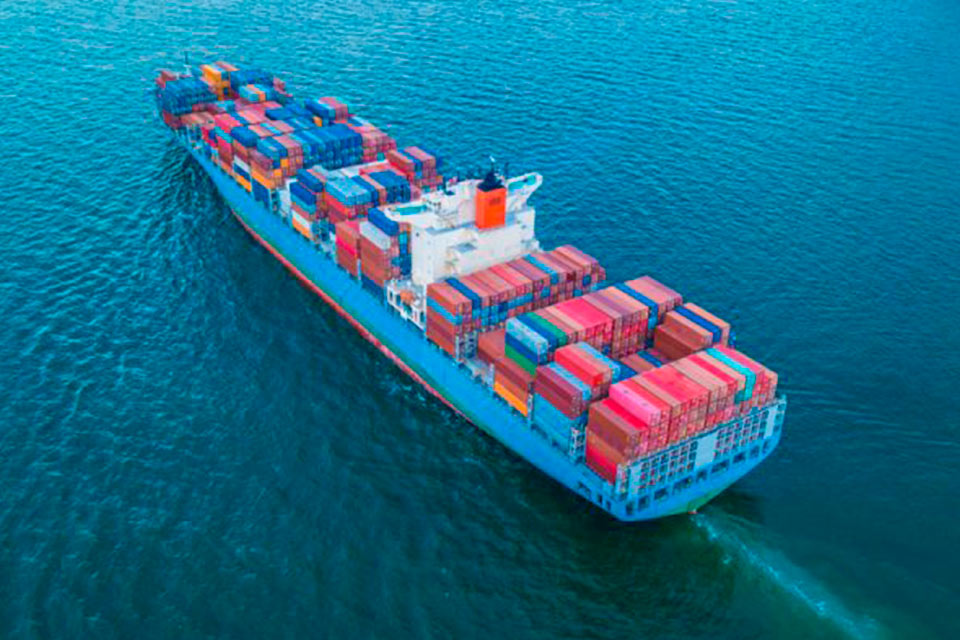
Global trade enters 2026 in a context of greater complexity and uncertainty, marked by slower economic growth, increased protectionism and profound structural changes in value chains, services and regulation. This is stated in the first World Trade Update “Global growth slows, affecting developing economies”, published by UN Trade and Development.
After a record year in 2025, when global trade grew by 7% and surpassed $35 trillion for the first time, growth is expected to continue in 2026, albeit at a more moderate pace. Global economic growth is projected at 2.6%, with a particularly significant slowdown in developing economies excluding China.
According to the report, geopolitical tensions, the reconfiguration of supply chains, the acceleration of digital and green transitions, as well as the tightening of national policies, are redefining trade flows and investment patterns globally.
Effect of tariffs
One of the main risk factors is the increase in the use of tariffs as a strategic tool and linked to industrial and geopolitical objectives. This trend, intensified in 2025, generates uncertainty, raises costs and disproportionately affects smaller and less diversified economies.
At the same time, the multilateral trading system faces a defining moment, with the upcoming World Trade Organization ministerial conference taking place against a backdrop of growing unilateral restrictions and pressures on multilateral rules.
The report highlights that almost two-thirds of world trade takes place within global value chains (most products are not made in a single country), which are being modified to prioritize risk management over cost efficiency.
This process opens opportunities for well-positioned developing countries, but also threatens to marginalize those with weak infrastructure and unstable regulatory frameworks.
Services continue to be the most dynamic engine of international trade, driven by digitalization. However, wide digital gaps persist: while in developed countries more than 60% of service exports are delivered digitally, in least developed countries this proportion barely reaches 16%.
South-south trade continues to advance
South-South trade emerges as another key element, today representing more than half of developing countries’ exports. This phenomenon reinforces the importance of regional ties and opens new opportunities for cooperation between regions such as Africa, Asia and Latin America.
The report also highlights the growing influence of environmental commitments, volatility in critical minerals markets, the persistent vulnerability of agricultural trade and increasing regulatory measures, which already affect around two-thirds of global trade.
Faced with this fragmented landscape, UN Trade and Development calls to strengthen international cooperation, promote inclusive trade policies and support developing countries with data, analysis and technical assistance, so that they can manage risks and take advantage of emerging opportunities in global trade in 2026.
With information from the United Nations
*Journalism in Venezuela is carried out in a hostile environment for the press with dozens of legal instruments in place to punish the word, especially the laws “against hate”, “against fascism” and “against the blockade.” This content was written taking into consideration the threats and limits that, consequently, have been imposed on the dissemination of information from within the country..
Post Views: 80