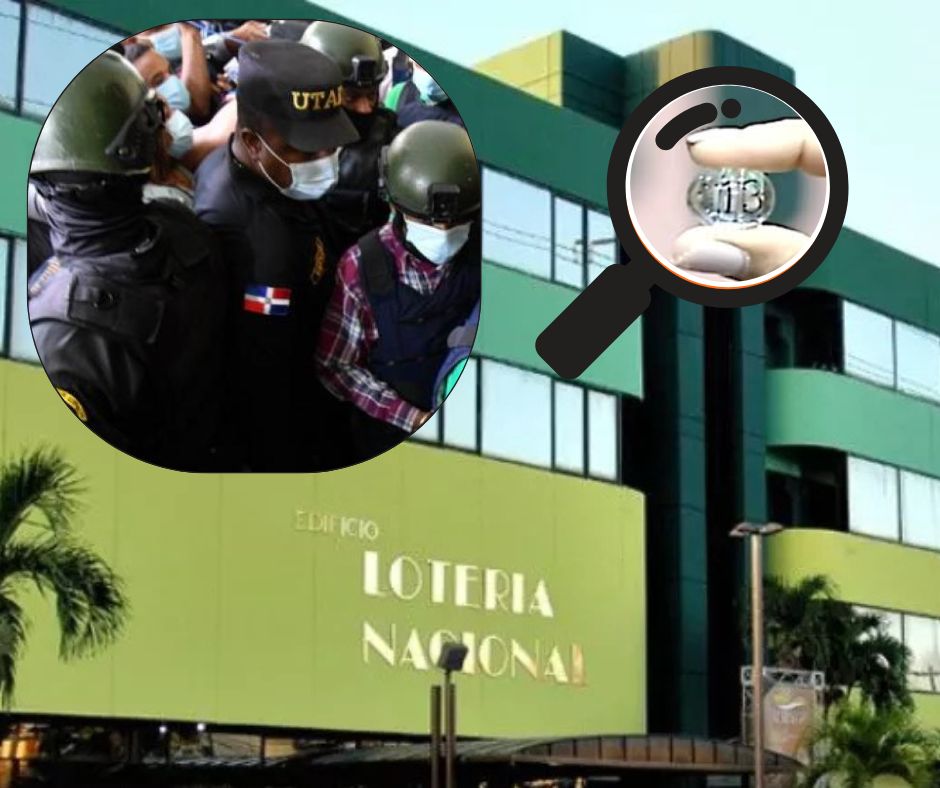
Santo Domingo.– What started as an ordinary National Lottery draw on May 1, 2021 ended up being one of the biggest scandals in fraud in the history of Dominican gambling.
We invite you to read: Dicent planned Lottery fraud months before being appointed
Today, that judicial chapter closes with firm convictions after a long legal battle, after the Supreme Court of Justice ratified the sentences against those involved in the so-called Operation 13.
How the fraud was discovered
The plot began when the winner appeared as the winner in the May 1, 2021 draw. bowling number 13 in circumstances that aroused suspicion among betting banks and players.
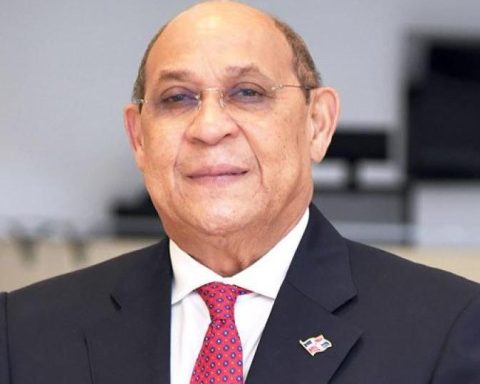
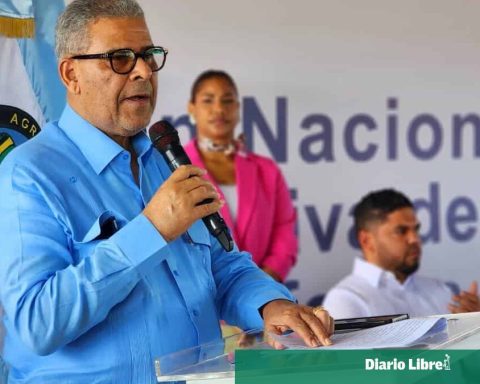
The Public Ministry began an investigation and, after receiving complaints, carried out the Operation 13 in June 2021, arresting the then general administrator of the National Lottery, Luis Maisichell Dicentalong with several collaborators for their alleged participation in the fraud.
According to the authorities, those involved had set up a systematic organization to carry out fraudulent raffles within the institution, defining roles, logistics and actions to manipulate the withdrawals for their own benefit.
The news that a lottery draw, a widely popular game in the Dominican Republic and in which many Dominicans place their hopes of changing their lives, had been manipulated caused shock and anger among the population.
For many, playing the lottery is part of the “Dominican dream” of a stroke of luck, and the revelation that this dream was exploited for fraud unleashed social outrage and a strong questioning of the credibility of the institution.
The Attorney General’s Office maintained that this fraud not only economically damaged the Lottery and the betting banks, but also affected the public’s confidence in the drawing system, since many citizens feel that what they consider an “institution of hope” was violated.
Modus operandi
During the trial, the Public Ministry presented documents, electronic evidence, key testimonies and expert elements that demonstrated how manipulated the draw, iIncluding violations of the television broadcast protocol of the event and evidence of maneuvers from within the institution.
Witnesses confirmed that the draw was carried out in a manner fraudulentexplained the maneuvers carried out to hide the manipulation and even detailed how the transmission was altered and the public was prevented from observing the plays normally.
Estimated losses
According to the prosecutors who handled the case, the amount defrauded to the detriment of the National Lottery and the betting banks exceeds the 500 million pesoswhich represents a considerable blow to the economy of those who operate these games and to the public coffers.
After years of proceedings, in the first instance several of the accused admitted their guilt in court, while others faced full trials based on evidence gathered by Pepca (Specialized Prosecutor’s Office for the Prosecution of Administrative Corruption).
The case escalated to the Supreme Court of Justice, which is the highest court in the country. This Court is in charge of reviewing cassation appeals, which are requests to review sentences when the parties consider that there were legal errors, to ensure that the judicial process complied with the law.
By rejecting the appeals presented by the convicted, the Supreme Court definitively confirmed the sentences, nullifying the appeals and closing the process in the ordinary way.
The sorrows
After the initial convictions and appeal processes, some of those involved in Operation 13 tried to have the justice system reconsider their sentences. William Lizandro Rosario Ortiz, sentenced to five years in prison for bribery of a public official and other crimes related to fraud in the National Lottery draw, requested that the Supreme Court of Justice (SCJ) annul his sentence.
Similarly, Eladio Batista Valerio He sought to review his conviction, also related to criminal offenses established in the Dominican Penal Code.
However, the Second Chamber of the SCJ rejected the appeals, accepting the arguments presented by the Public Ministry. The decision confirms that there was sufficient evidence to destroy the presumption of innocence of the accused and that the appellate courts acted correctly when handing down the sentences.
Thus, William Lizandro Rosario Ortiz maintains his five-year prison sentence and must pay the criminal costs of the process.
While Eladio Batista Valerio was sentenced to three years, but his sentence is conditionally suspended, with the warning that any new violation will revoke the suspension and require full compliance with the sentence at the Najayo Hombres Correction and Rehabilitation Center.
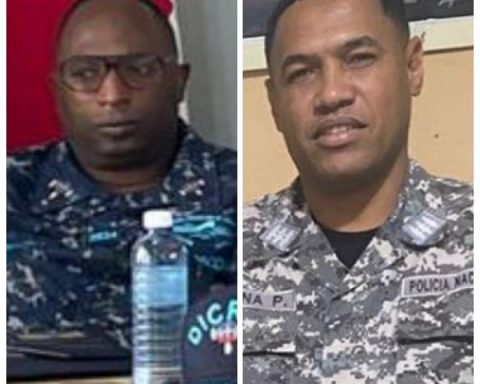
Other convicts, such as Valentina Rosario, Jonathan Brea, Carlos Beriguete and Felipe Santiago Toribioadmitted the facts and received sentences of five years in prison, of which some will be effectively served and others suspended under the rules of Dominican justice.
With this decision, the Supreme Court ends the judicial process in the ordinary wayleaving firm all the convictions derived from fraud in the National Lottery and setting a precedent for how the law will be applied in cases of corruption and manipulation of games of chance in the country.