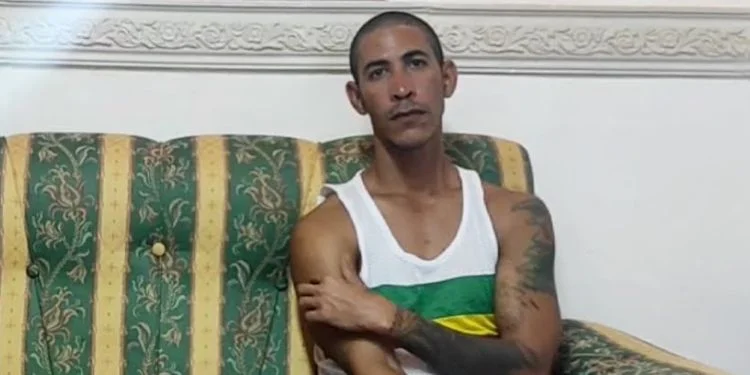
The most devastating thing is that the alleged perpetrator was a minor under 17 years of age, originally from a nearby community, trapped in the hell of methamphetamines and in the culture of violence that drug traffickers have sown as if it were destiny. That young man not only pulled a trigger: he was the expression of a fractured country where childhood is a commodity, where adolescence is recruited, and where thousands of children are molded into weapons to end up murdering those who try to save them. Thus, the death of Carlos Manzo is not an isolated case: it is the synthesis of a system that leaves those who should write it without a future.
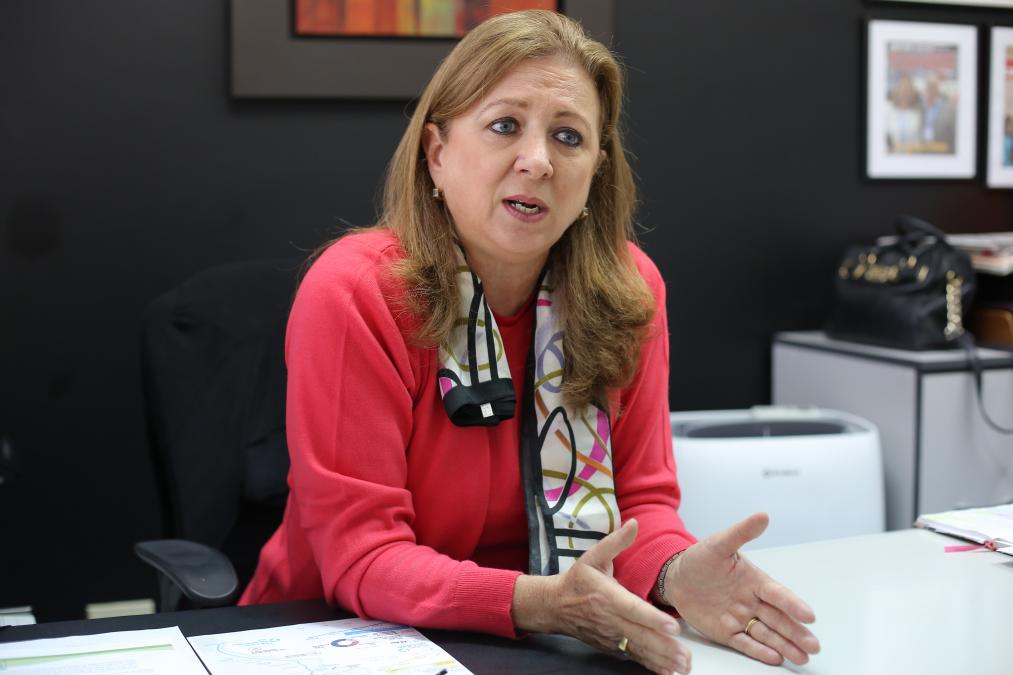
But in the midst of this tragedy, a figure emerges who honors memory with action: Grecia Itzel Quiroz García, wife of the murdered mayor, who decided to assume the mayor’s office as an act of love, dignity and defiance. His decision is a political statement of enormous moral magnitude: he could have retired, remained silent, dedicated himself to mourning. But she chose to stand where her husband fell. His oath was not a protocol: it was a shout. A cry that says that just causes do not die with those who defend them. A cry that maintains that dignity is worth more than life itself when it comes to protecting a community. A cry that becomes a beacon in a country where resignation is, too often, the most common solution.
His presence in office is not symbolic: it is an affirmation that no noble project should be stopped by the use of criminal force. It is a reminder that true ideals: justice, transparency, love of community, cannot be reversed.
The case of Carlos Manzo and the minor who shot him forces this country to ask an uncomfortable question: what are we doing, or failing to do, so that children become executioners and brave rulers become martyrs? How is it possible for a teenager to be molded by the drug culture rather than by the culture of life? What institutions failed for a young man to confuse power with destruction? How many signs do we ignore before a tragedy becomes inevitable?
The mayor’s death reveals the rot of a cultural system that allows crime to operate as a parallel authority, hunting down those who oppose it. But Grecia Quiroz’s decision reveals something just as real: value is also contagious. We are not facing the story of a defeat. We are facing the birth of a watershed.
Because when a woman (widow, citizen, mother, leader) decides to stand up right in the epicenter of pain and assume the mandate that was taken from her husband, something powerful happens: the narrative fractures, but not into fear; It fractures towards hope. Grecia Itzel Quiroz García not only took office as mayor. He took protest against life itself. He did it with a broken but firm voice; with a hurt heart, but willing. And with that he sent a message that should resonate in every corner of the country: They will not be able to kill our dignity, they will not be able to kill what we believe, they will not be able to kill our future. And that message is stronger than any weapon.
The story of Carlos Manzo could have been reduced to an outrageous headline, to one more name in the long list of victims of violent Mexican politics. But his story continues because his project remains alive in the hands of his wife, in the determination of a town that saw its mayor fall, and in the national echo of a tragedy that can no longer be normalized. Manzo’s legacy is not martyrdom. Manzo’s legacy is the example. And the example he leaves is simple but brutally necessary: You can govern without giving in, you can confront drug traffickers without pacts, you can live without fear. That ideal, however uncomfortable, difficult, and risky, is precisely the one that Mexico needs the most.
Faced with this story, the final reflection is not gentle; It is incendiary. And it should turn everyone on: If a teenager can be recruited to kill, why couldn’t a country be recruited to defend the lives of its most venerable? Why have we allowed criminals to have more convening power than the State? Why does a minor find belonging in a criminal cell before in his school, his neighborhood, his sport, his community? Why does a bullet have more routes to reach a young person than an opportunity?
The answer does not lie with a government, nor a mayor, nor a prosecutor’s office. The answer lies with every citizen who today reads, listens or witnesses how Mexico is torn between two cultures: the culture of death that seduces, and the culture of courage that resists. That is the real dispute. That is the battlefield.
The tragedy of Uruapan gives us a lesson that hurts, but that is urgently needed: if we do not snatch our children from the hands of organized crime, they will continue to snatch our leaders from us. If we do not break the seduction of “narco-aspirationism”, we will continue to see minors turned into executioners. If we do not defend those who dare to govern honestly, power will remain only for the corrupt or the complicit. And if we do not honor those who are willing to give their lives for their ideals, then we are a country that renounces its own dignity.