The privately created money problem is that it is created with the objective of profits (…) that has generated monetary disorder to the degree that in Mexico we end in hyperinflation in the revolution. This has happened since the 16th century worldwide
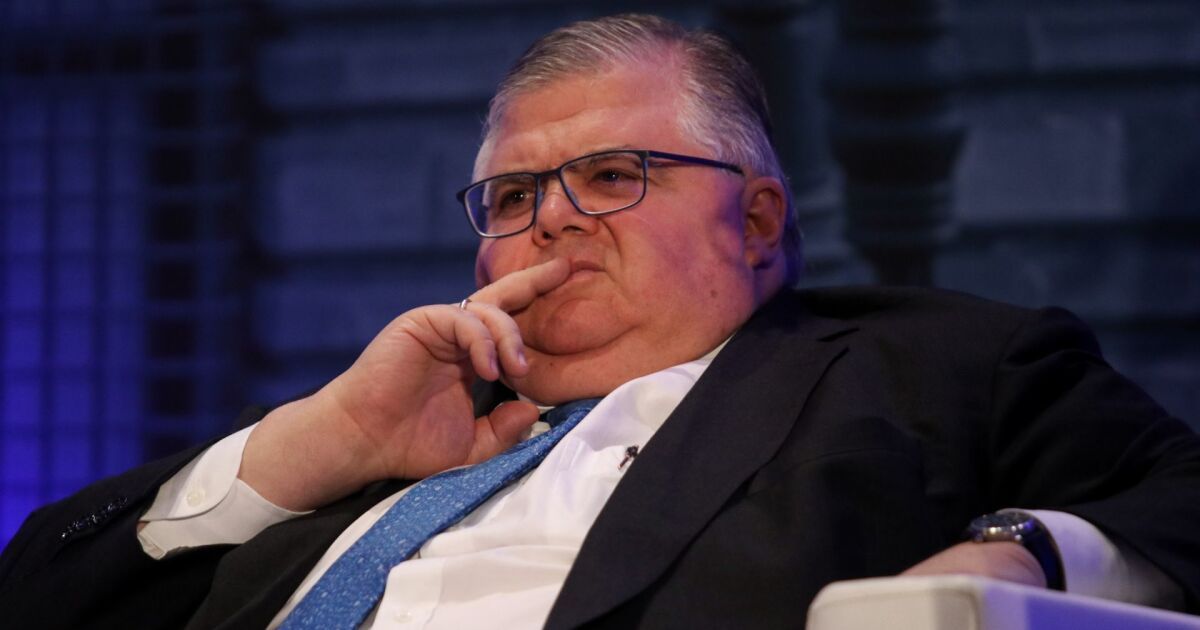
Agustín Carstens, former Governor of Banxico.
Carstens added that cryptocurrencies also do not fulfill the three essential functions of money: being a value deposit, account and a half of exchange unit. “People do not pay Bitcoin because they are very volatile,” emphasized during a transmission in the event “Commemoration of the Centenary of the Bank of Mexico: Baluarte de la Institutionality (1925–2025)”, held at the Autonomous Technological Institute of Mexico (ITAM).
Do not turn your back on technology
Guillermo Ortiz, also a former governor of the Central Bank, recognized the importance of taking advantage of the technology in payment systems, such as SPEI in Mexico or PX in Brazil, which reduce costs and expand financial inclusion. However, he was skeptical against cryptocurrencies.
I am not a believer of cryptocurrencies or believe that central banks have to emit their own bitcoins. But we have to accept that there are technological changes that advance with enormous speed and that can increase the security of transactions
Guillermo Ortiz, former governor of Banxico.
Stablecoins are purses with limits
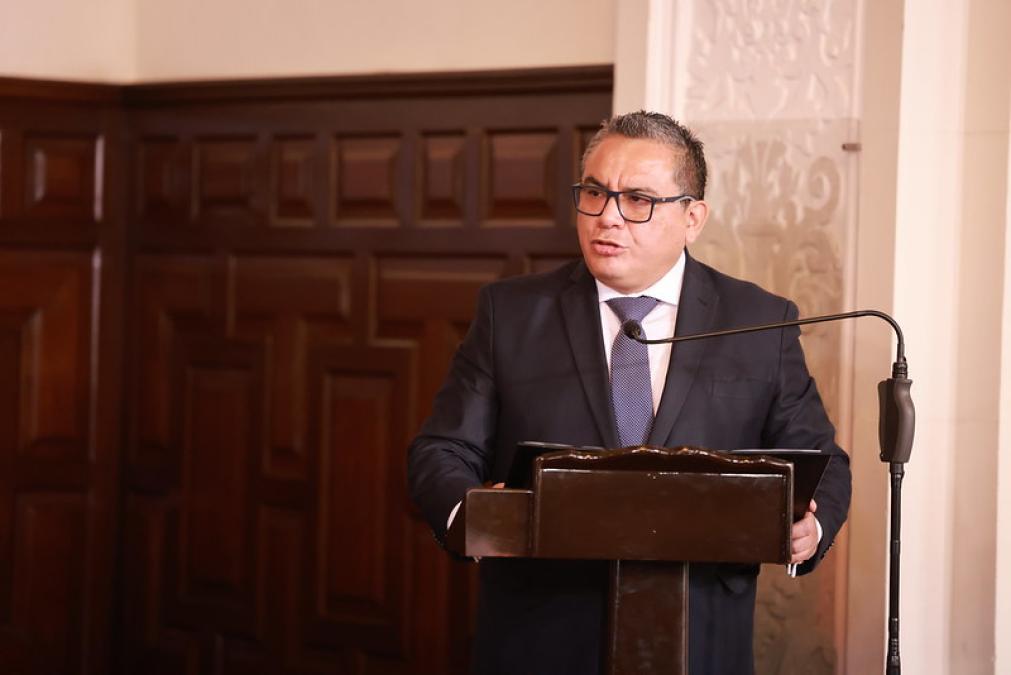
For his part, Alejandro Díaz de León, who headed Banxico during the pandemic, distinguished between speculative cryptocurrencies and the so -called stablocoins. The latter, he said, function as “purses, one by one with the money issued by the Central Bank”, but require strict regulation.
Cryptactive are very volatile assets that do not fulfill money functions
Alejandro Díaz de León, former governor of Banxico.
For Díaz de León, the central challenge of central banks is to maintain confidence in money, whether physical or digital, and modernize payment systems so that consumers can choose.
The challenge of central banks in the digital era
The three former governors agreed that the mission of the central banks remains to offer reliable money, but recognized that technological changes in payment systems and digital instruments press institutions to update.
Carstens stressed that the traditional financial system is not offering money with the technological representation demanded by users, while Ortiz and Díaz de León stressed that the adoption of safe digital platforms can improve inclusion and transparency.
“We have a huge opportunity to advance in a payment system that reduces the use of cash, improve inspection and combat money laundering,” said Guillermo Ortiz.
Alejandro Díaz de León added that the secret is that bank platforms really integrate and offer the consumer a simpler experience, as happened in Brazil, from a financial regulation.