By tax association
As the Association of Taxpayers has been denouncing repeatedly, formality is the problem to be solved. The informality It is only an effect, a symptom of the background problem: in Peru, being formal is a martyrdom, an unnecessary sacrifice in which we are being persecuted by Sunat, Sunafil and an infinity of public entities determined to control, hinder, without helping to entrepreneurs and businessmen.
And the same happens in the housing sector.
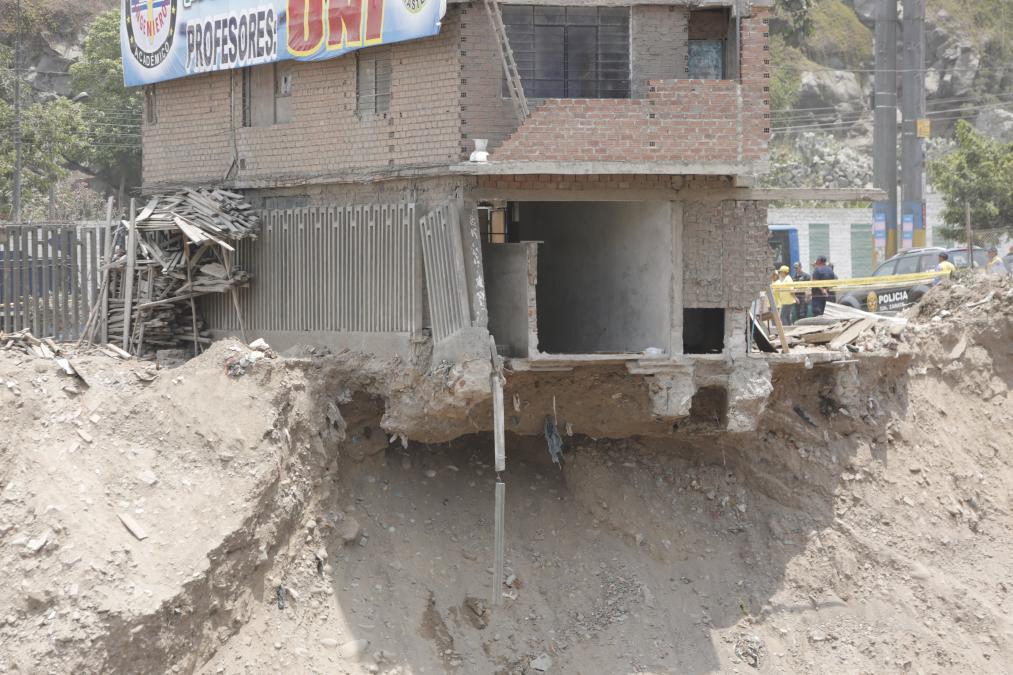
Informality in the dwelling It is one of the most critical and persistent problems in Peru. It is estimated that more than 90% of urban expansion in the country occurs informally, and 73% of homes are the product of self -construction. This has generated cities with precarious infrastructure, housing vulnerable to natural disasters and insufficient public services. In addition, excessive bureaucracy and high formalization costs have encouraged this situation, causing most citizens to seek solutions outside the legal framework. Access to decent housing is a fundamental right and an indispensable condition for the economic and social development of families. However, current soil regulation and construction have obstacles that hinder access to formal and affordable homes.
Informality in housing in Peru is the result of a set of perverse incentives that promote the illegal occupation of land and precarious self -construction, to the detriment of an accessible formal housing market. This phenomenon is driven by two main factors: the process to obtain an urban habilitation and a construction license that in Peru is cumbersome and expensive, which discourages citizens and promotes informality. Permits may take years to approve, which leads many families to opt for self -construction in informal land without adequate access to basic services.
Most citizens who need housing do not qualify for mortgage loans due to their informal or low income. Social housing programs have requirements that exclude a large part of the population, which forces them to build on their own, many times without technical advice.
For more than six decades, the Peruvian State has operated with a dual urbanization policy: while formal housing production is subject to a complex and expensive regulation, informal urbanization is widely tolerated and even encouraged. The expectation that the State provides basic infrastructure (water, sanitation, tracks and parks) to informal settlements at no cost for occupants creates a perverse incentive for the illegal occupation of land and informal real estate speculation.
The State invests annually more than S/1,000 million in the installation of services in informal urbanizations, which is equivalent to a subsidy of S/2,000 per lot. As a result, 42% of informal lots have a high probability of receiving these services for free. This implicit subsidy allows informal promoters to sell land without qualification at inflated prices, raising the value of the urbanizable land by approximately 150%. Paradoxically, this also increases formal land, since legal developers must assume additional qualification costs, increasing the price of lots by 20%.
The impact of this distortion is deep: 93% of urban growth in Peru in this century has been through informal urbanizations. This not only reduces tax collection and deteriorates urban planning, but also perpetuates the precariousness of the house in the lower income sectors. Peruvian families cannot live like this. Peruvian families do not deserve a bureaucratic and abusive state that prevents them from having a cheap and dignified home, which prevents them from fulfilling the dream of their own house.
Take advantage of the new experience, receive by WhatsApp our enriched digital newspaper. Peru21 Epaper.
Now available in Yape! Find us in Yape Promos.
Recommended video