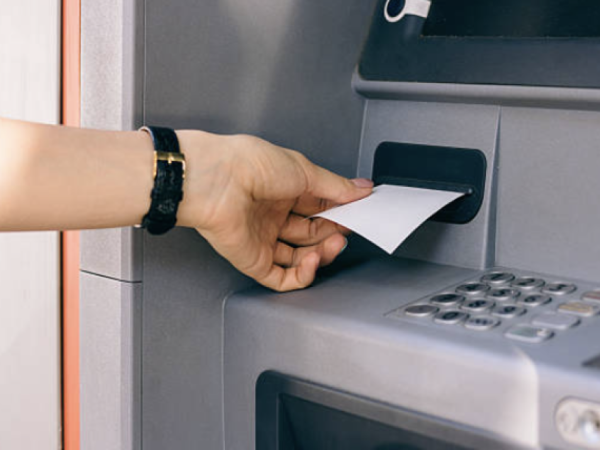
The practice of discarding the printed receipt after a transaction in an ATM can lead to fraud risks that go unnoticed for users. According to financial entities, LThe data containing these vouchers are enough for criminals to try to supplant the identity of the account holder and commit bank fraud.
The receipts issued by the ATMs usually include details such as the last digits of the card, the available balance or partial information about the bank account. Although it is data fragments, Criminal organizations use any element to build profiles from their victims and increase the effectiveness of their illicit actions.
(Read: BRE-B System: What begins to be implemented from already in the country)
In some cases, scammers review the dumps near the terminals in search of discarded vouchers, in order to collect useful information for fraudulent activities.
BBVA Bank warns that “It is preferable”The recommendation of the entities is not to print the voucher and, in case of doing so, make sure that it is not available in the trash without having been previously destroyed.
In addition to printed information, Receipts can be used in social engineering techniques. Through this mechanism, criminals get through bank officials to gain customer confidence and obtain additional data that allow them to access their accounts. For this reason, financial authorities insist that users should not share transaction details with strangers.
(See more: Debt with clinics and hospitals reached $ 24 billion as of June 2025)
BBVA recommends consulting the balance on screen and not printing vouchers to reduce supplant risks.
Istock
Safety at ATMs also depends on additional measures. One of them is to cover the keyboard when entering the key, with the purpose of preventing hidden cameras or nearby people from observing the secret combination.
The banks recommend verifying that the cashier’s screen returns to the start before withdrawing and ensure of removing the machine from the machine. In the event that the cashier present failures or does not deliver the requested money, it is suggested to suspend the operation and use another terminal.
Users must be attentive to the presence of foreign objects in the card slot or at the cashier’s access door, since they could be devices installed to clone the information. Faced with any irregularity, it is advisable to abandon the transaction and notify the banking entity.
(Read: Occupational risks for informal workers, fasecolda proposal to the country)

The scammers check garbage dumps to collect discarded receipts and use them in fraud attempts.
Istock
The proximity of unknown people during the operation is another risk factor. The authorities recommend stopping the transaction and returning later if someone approaches too much, in order to avoid attempts to manipulate the money or theft of money. BBVA emphasizes that “Help of strangers should never be accepted while using the ATM. In case of problems with the transaction, the only reliable source of assistance is the staff of the bank branch”
Banks also insist on the importance of regularly reviewing account movements and reporting any suspicious transaction. In the event that the cashier delivers an amount other than the one requested, it is necessary to immediately inform the entitysince it could be an indication of manipulation of the device.
Discretion when withdrawing money is still fundamental. Counting cash or commenting aloud the withdrawal quantity can put the user at risk in front of observers with criminal intentions. Adopting these measures helps to reduce the probability of being a victim of fraud or robberies after a bank operation.
(See: Unified subsidies: Thus the fusion of citizen income and VAT return will operate)
Portfolio writing