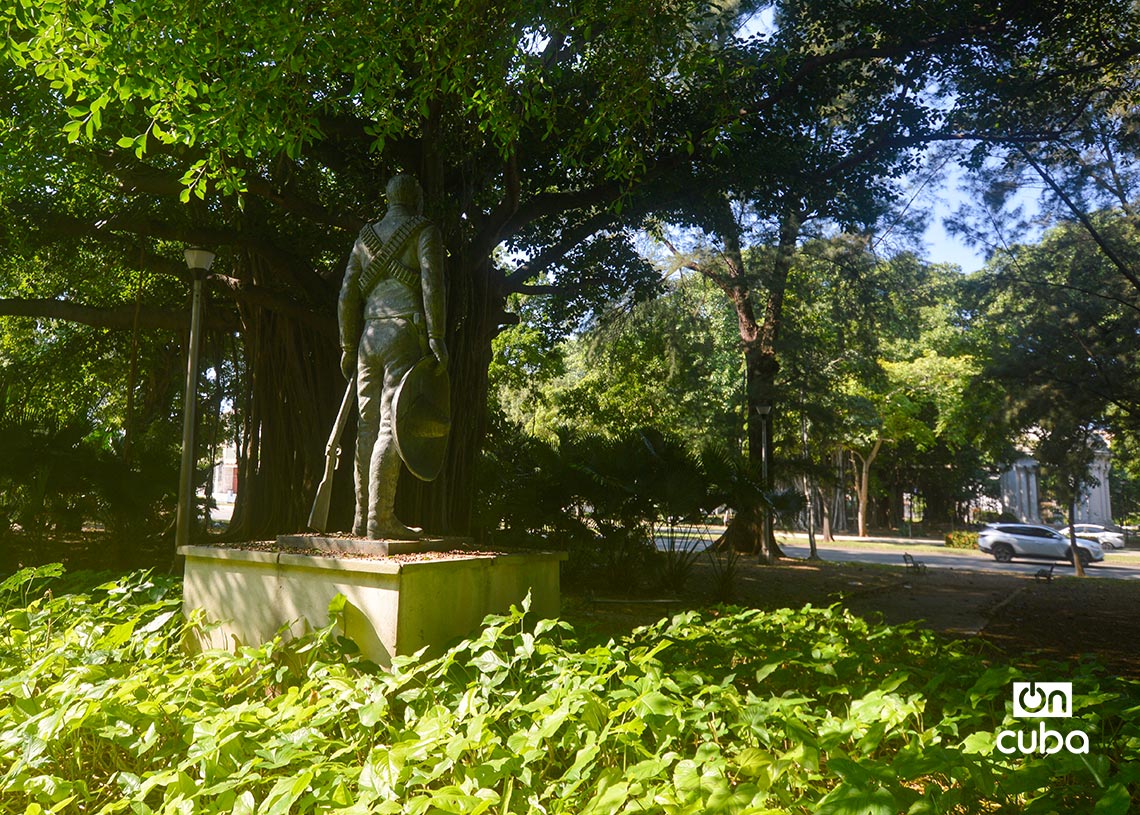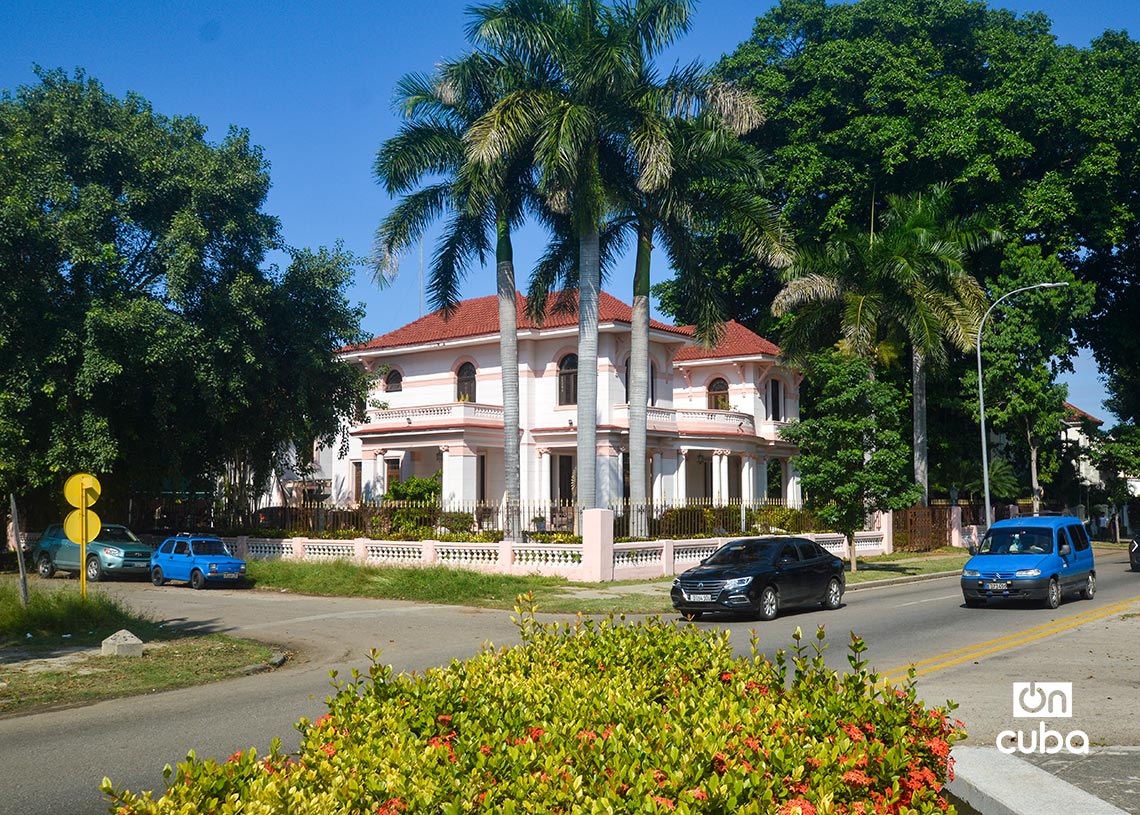
Fifth Avenue has never been a realistic mirror of Havana. It was not so in its opulent origins, back in the first decades of the 20th century, and much less so now, when the overwhelming weight of the crisis has accentuated the deterioration of the city.
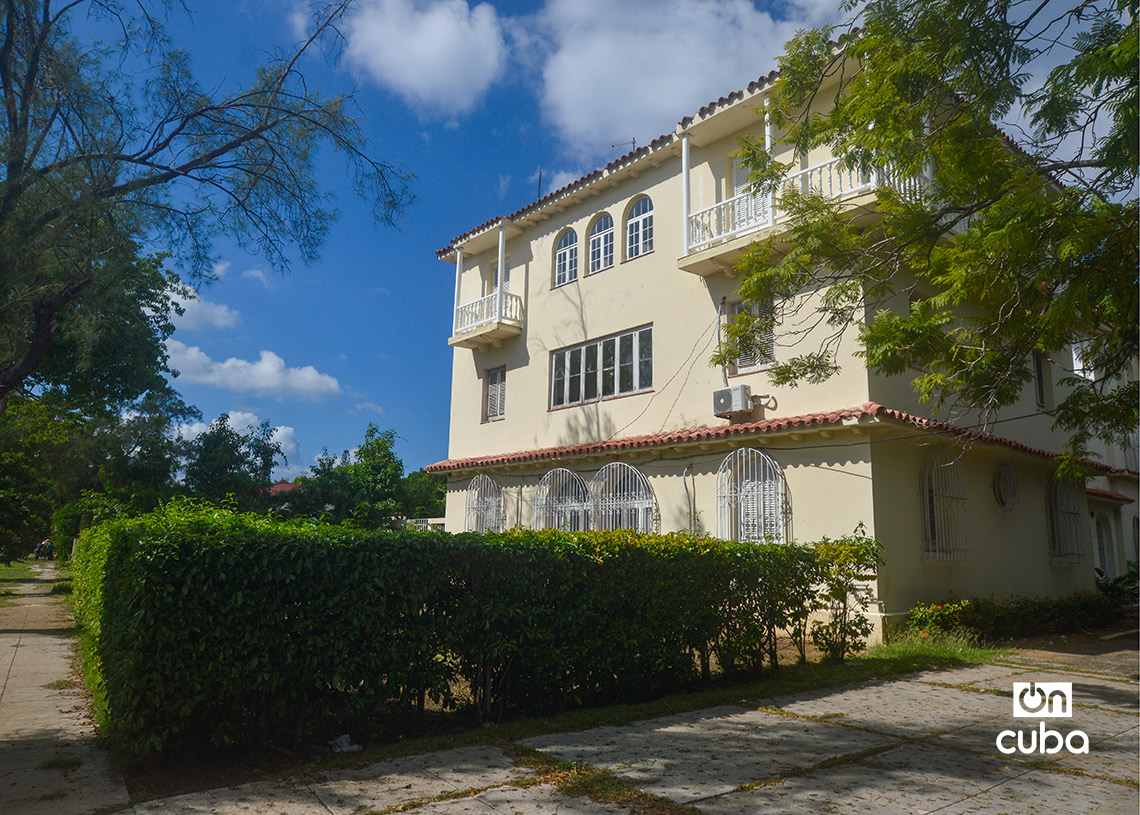
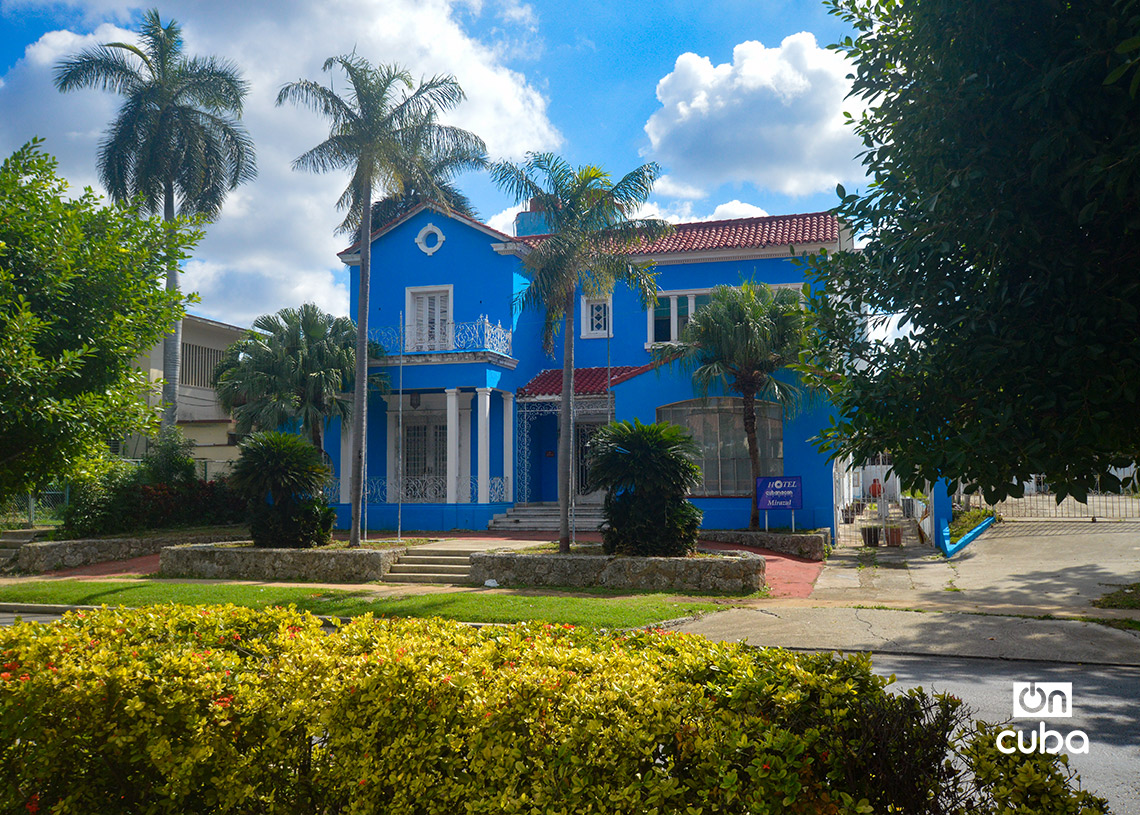
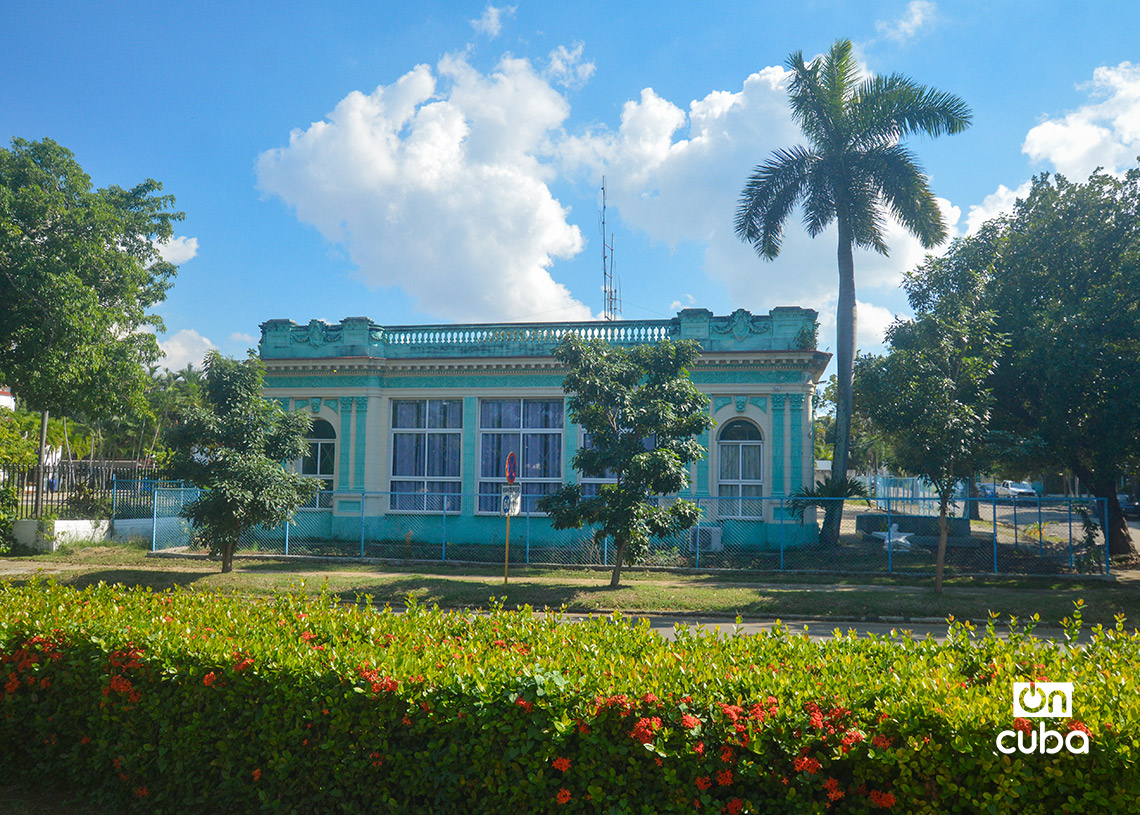
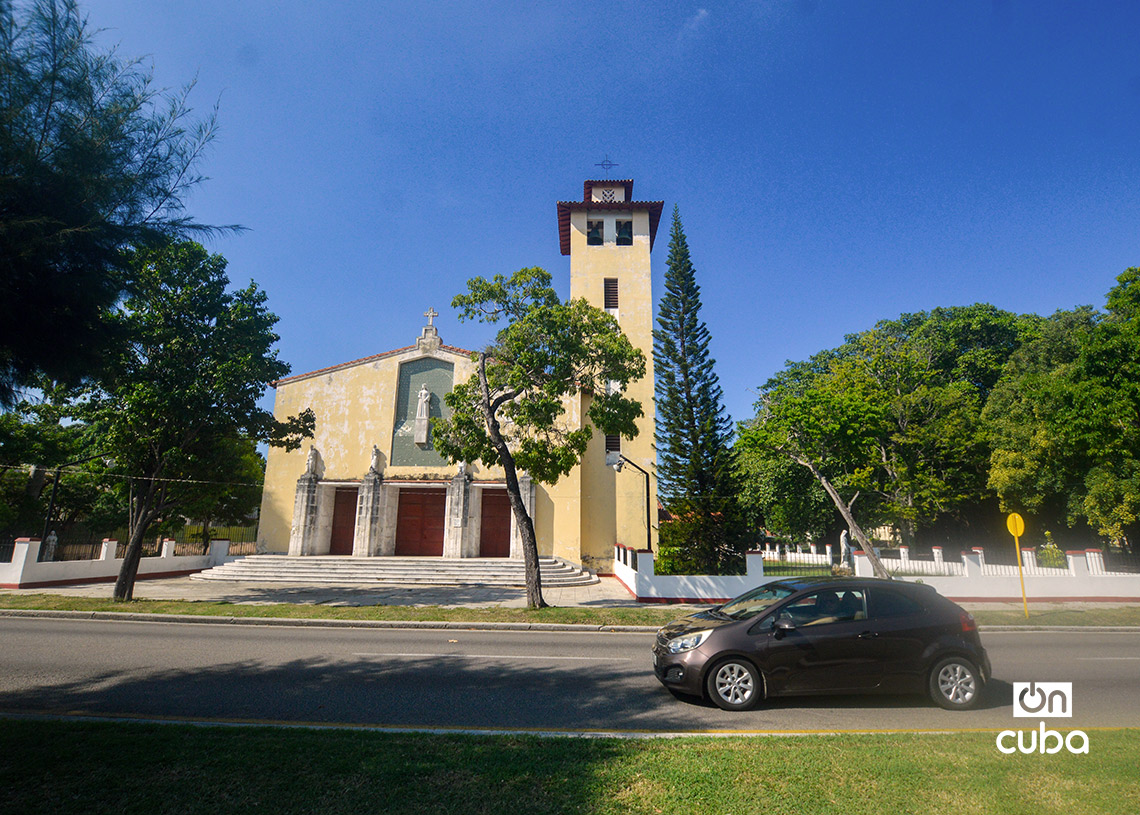
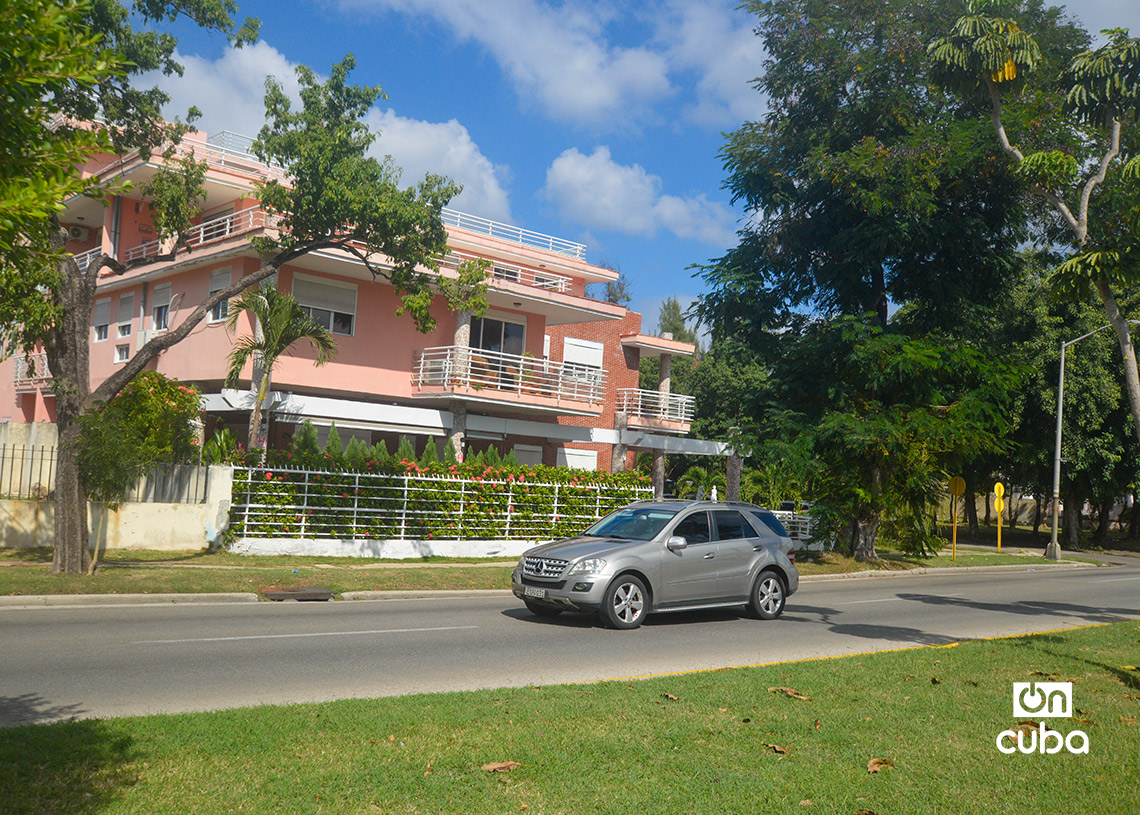
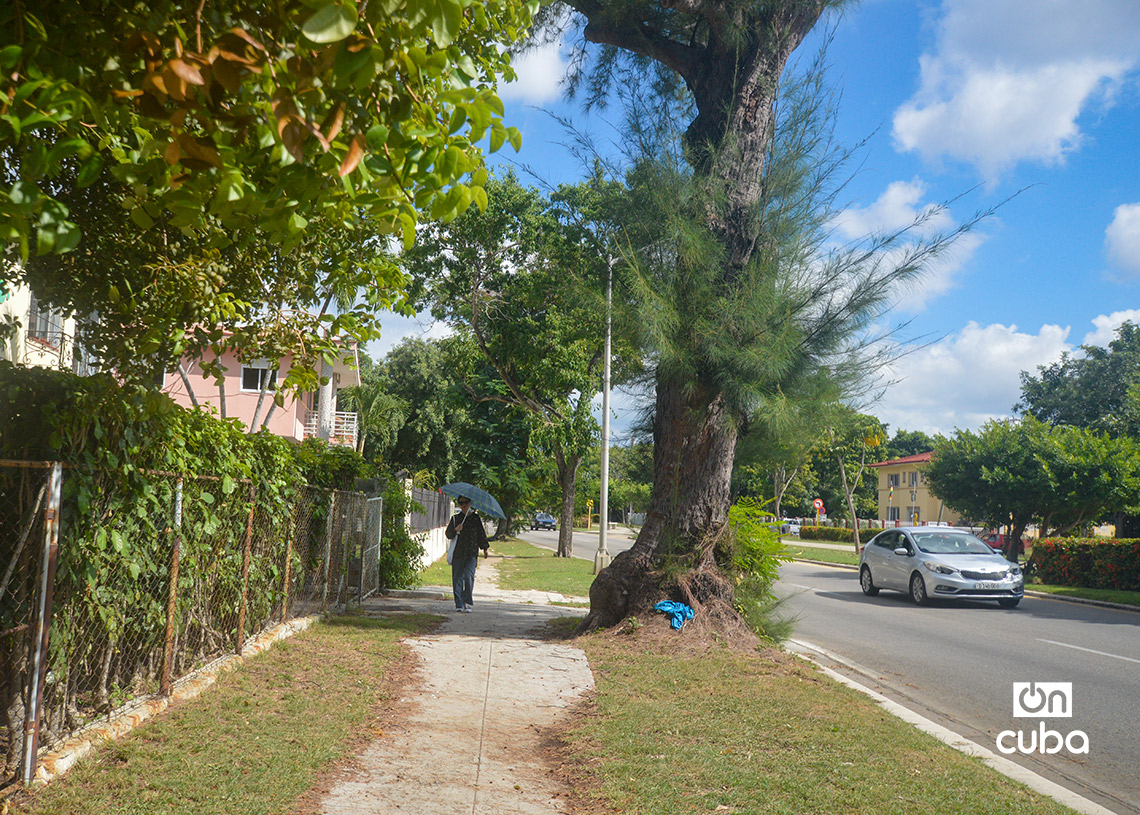
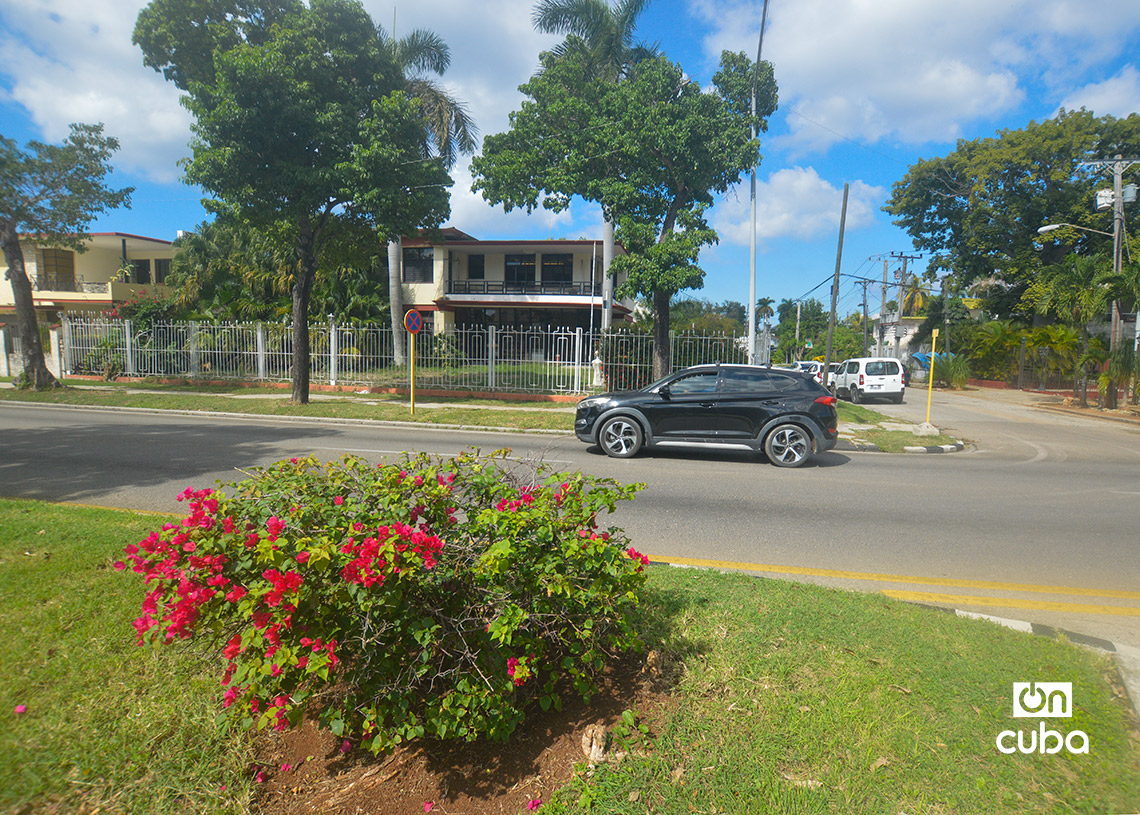
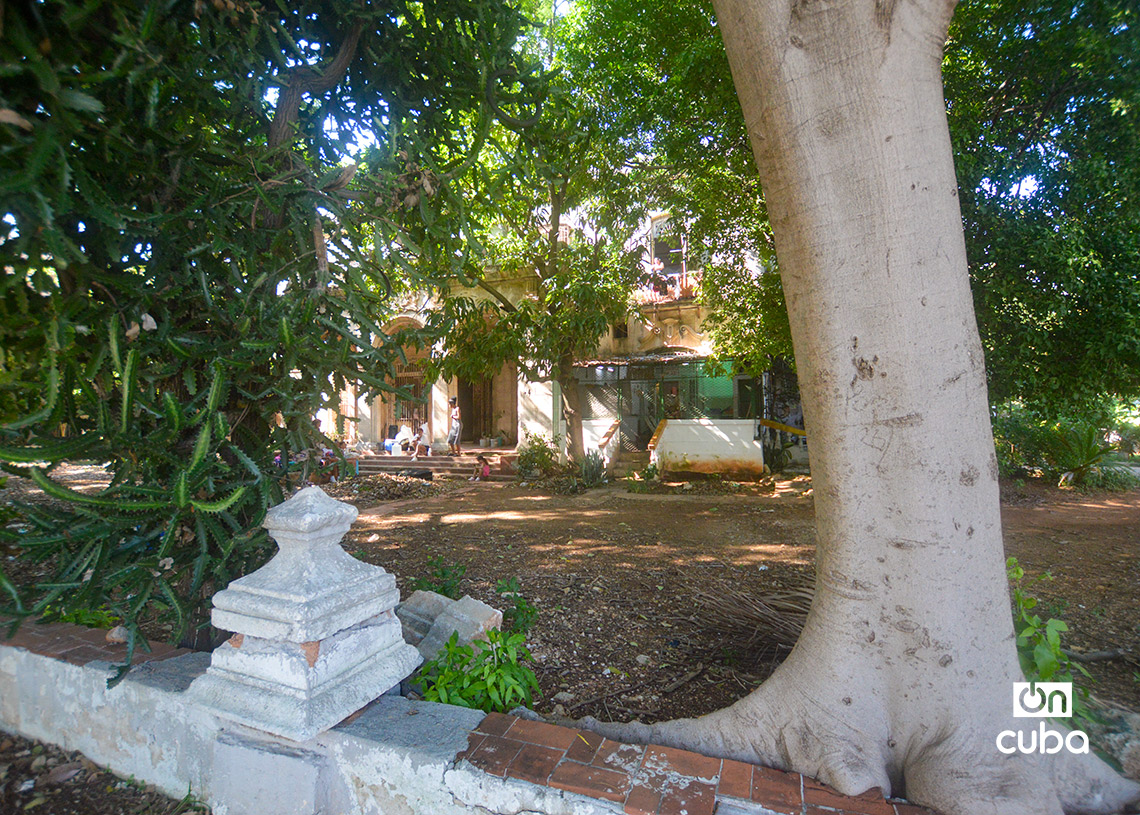
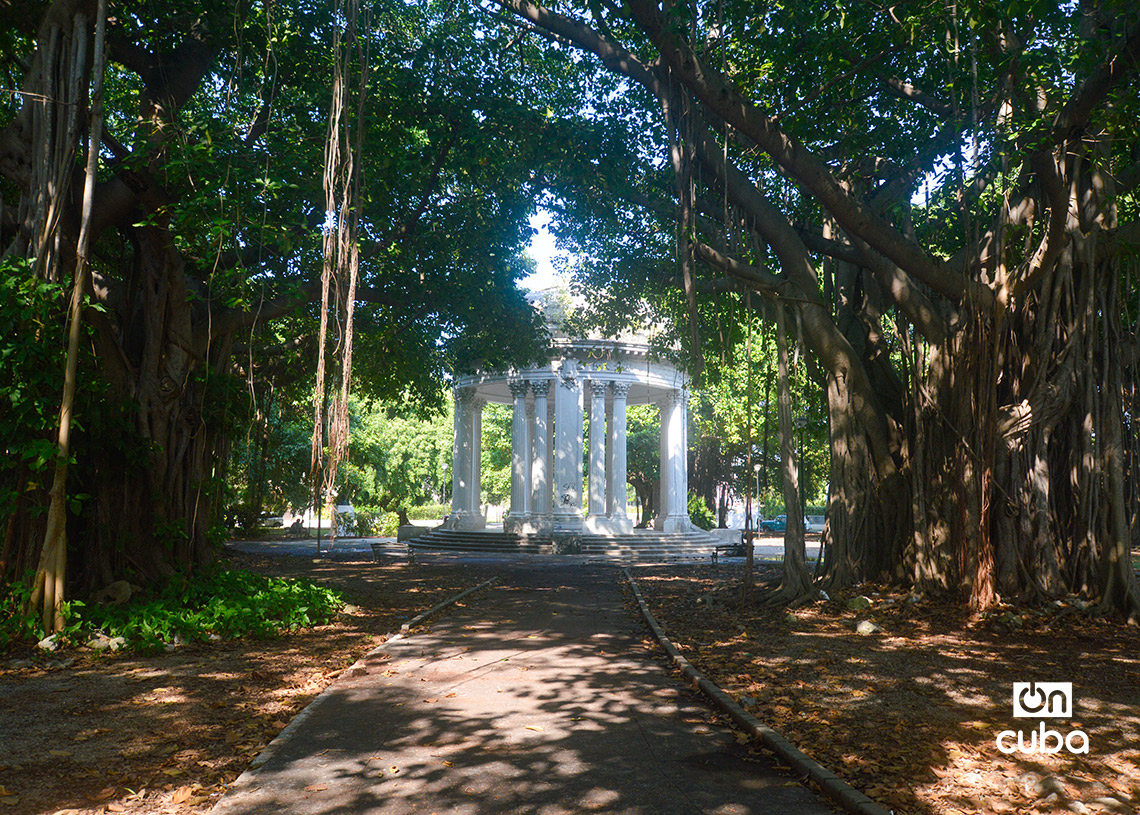
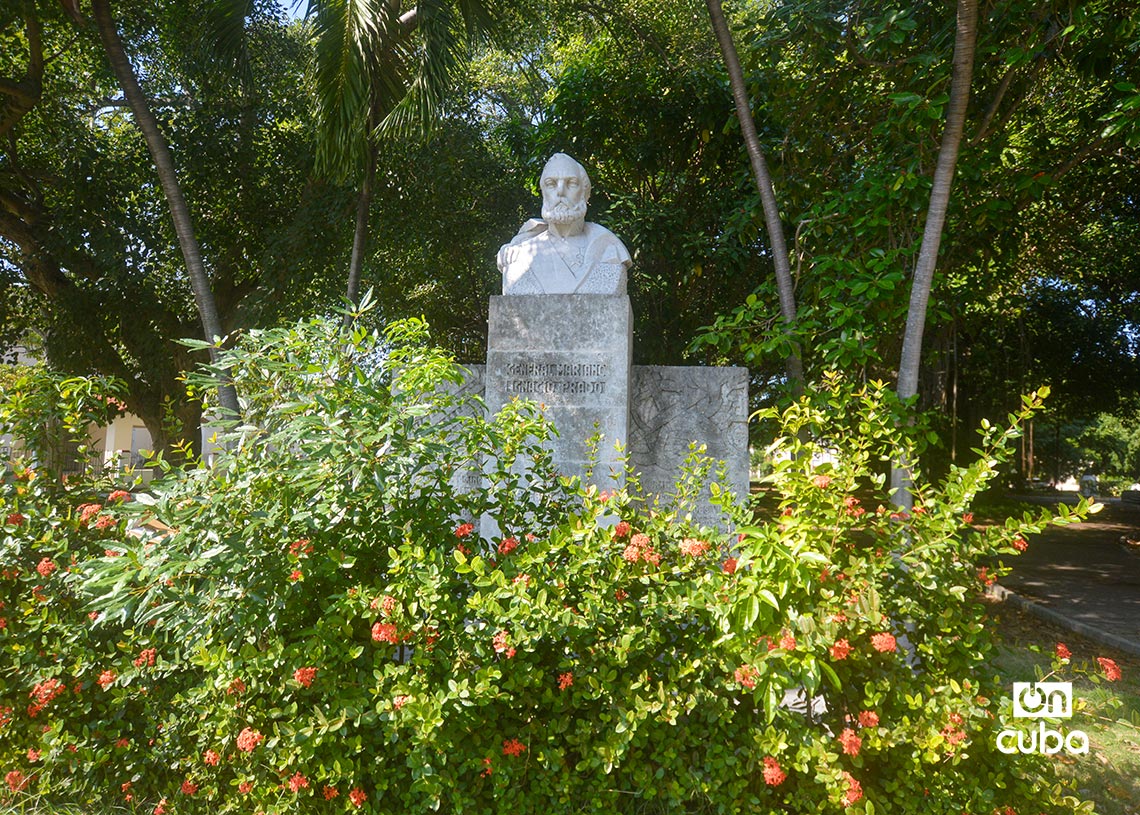
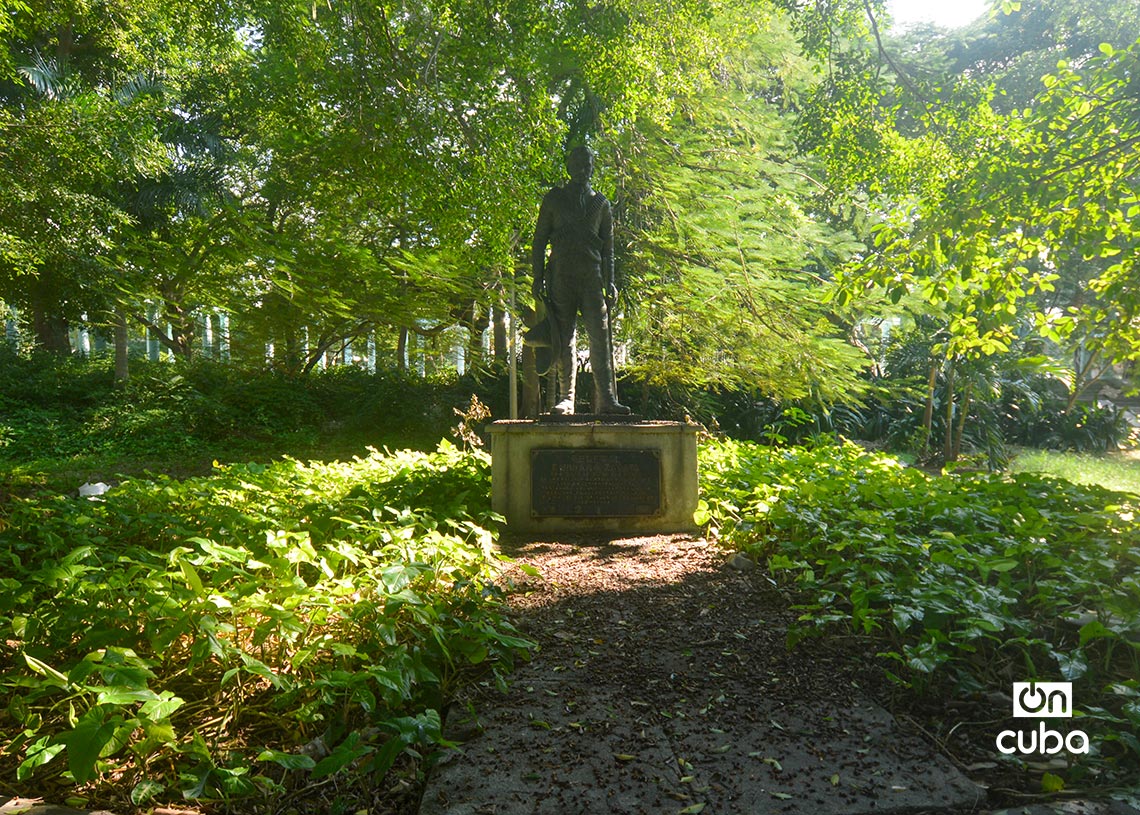
Heart of the colorful Miramar neighborhood, this artery with two lanes and an intermediate promenade is an exceptional face of the Cuban capital. With its mansions, gardens and parks it shows an image that contrasts with the vast majority of spaces, buildings and neighborhoods of the Havana city.

Initially called Avenue of the Americas, Fifth Avenue was the result of the movement of the wealthy classes of Havana towards the west of the city, beyond the mouth of the Almendares River. And, at the same time, a key element in the urbanization of that area.
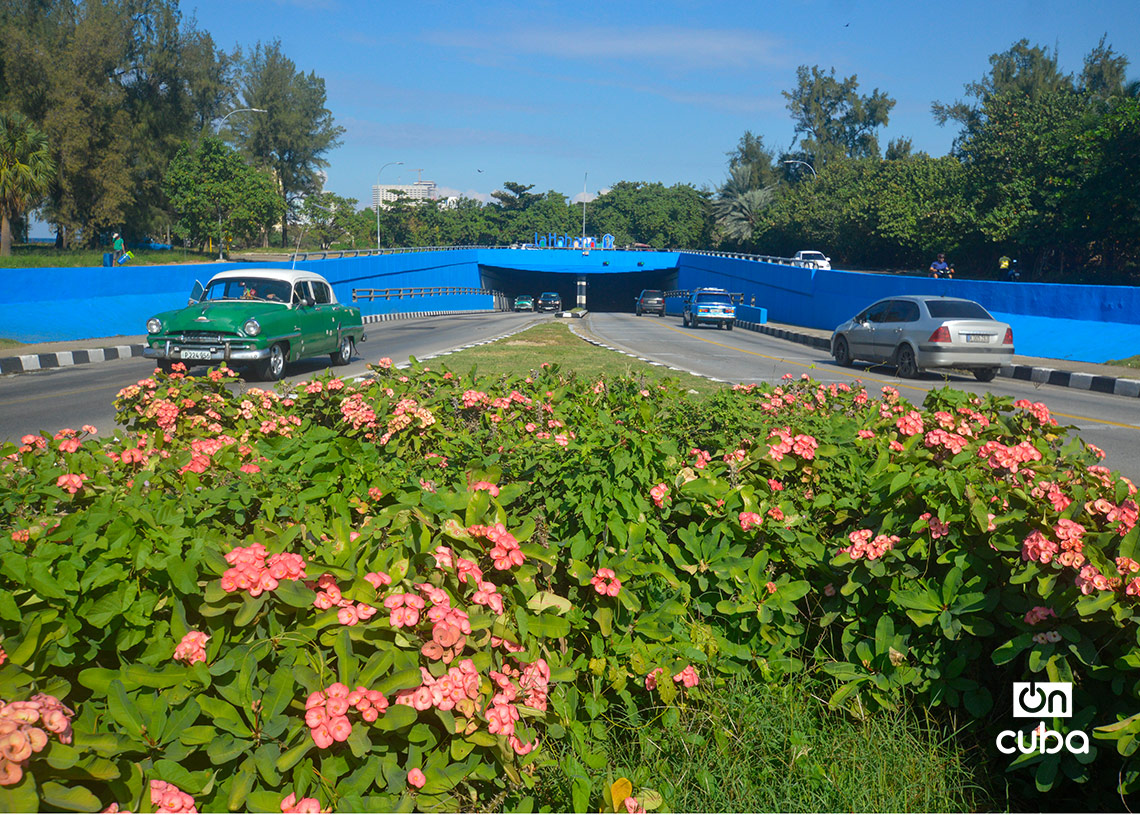
It is not only one of the most beautiful roads in the city, but also one of the longest. Its route begins in the tunnel that connects it with the Vedado and officially extends to the beginnings of the town of Santa Fe, where it becomes the Pan-American Highway. However, its most iconic images are associated with its first section, in the Miramar neighborhood.
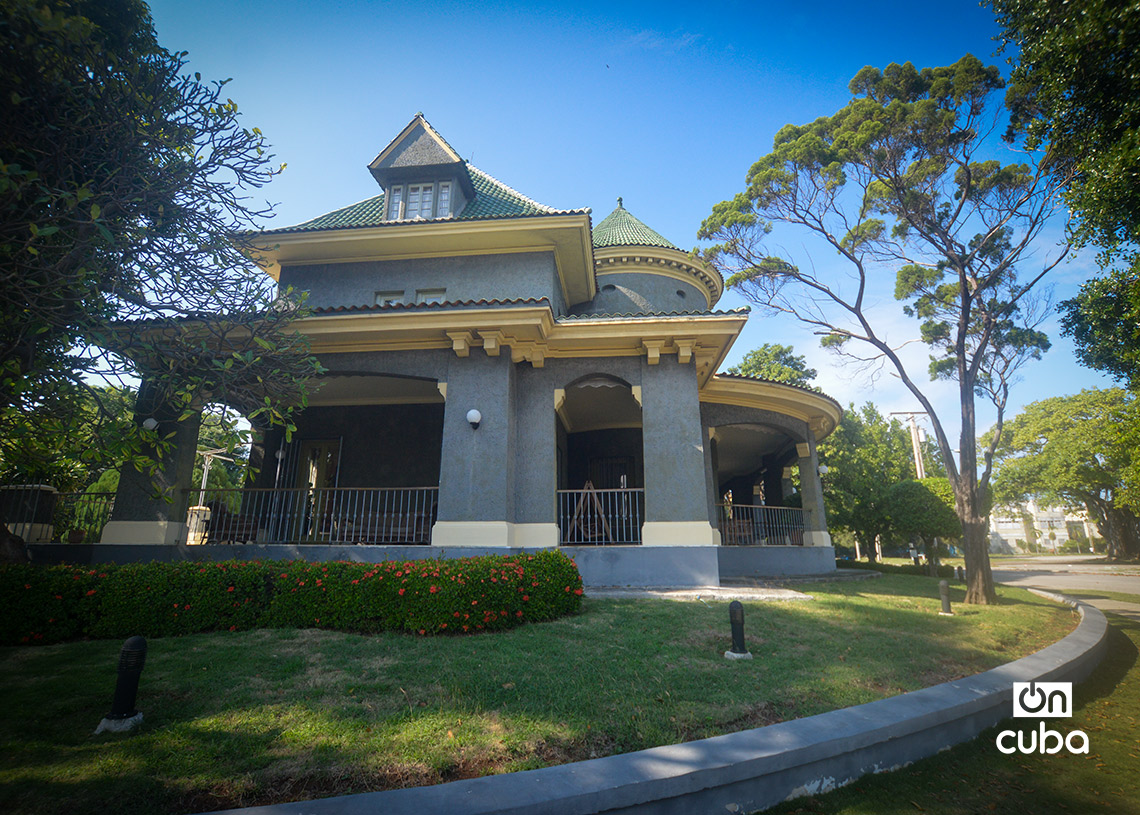
Built in sections that mark differences in their visuality, Fifth Avenue has historically been associated with wealth and sumptuousness. The American architect John F. Duncan participated in the design of its most recognized area, who is the author of two of its most emblematic elements: the Fountain of the Americas, located at its entrance, and the famous clock tower.
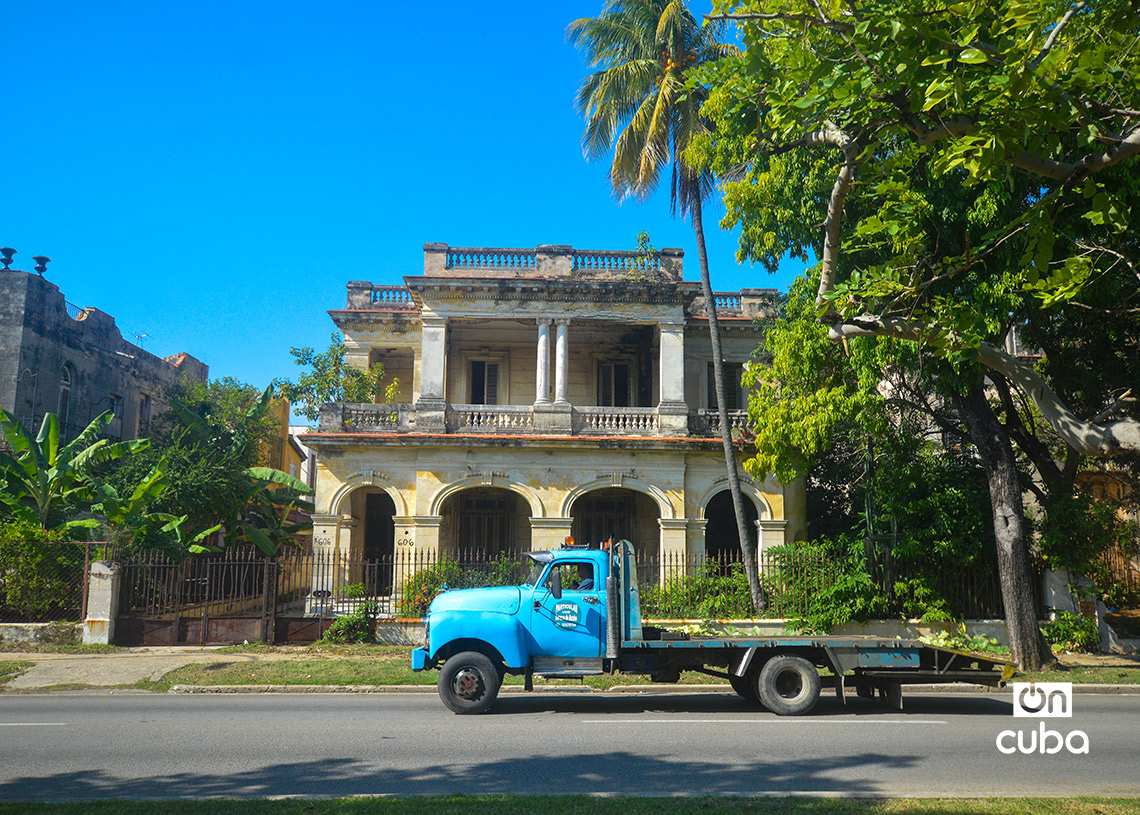
Although for many years this Havana avenue has not been inhabited by the bourgeoisie that populated it in the beginning, nor has it been able to completely avoid the signs of deterioration, it continues to be an exceptional environment in the Cuban capital and in the panorama of the country.
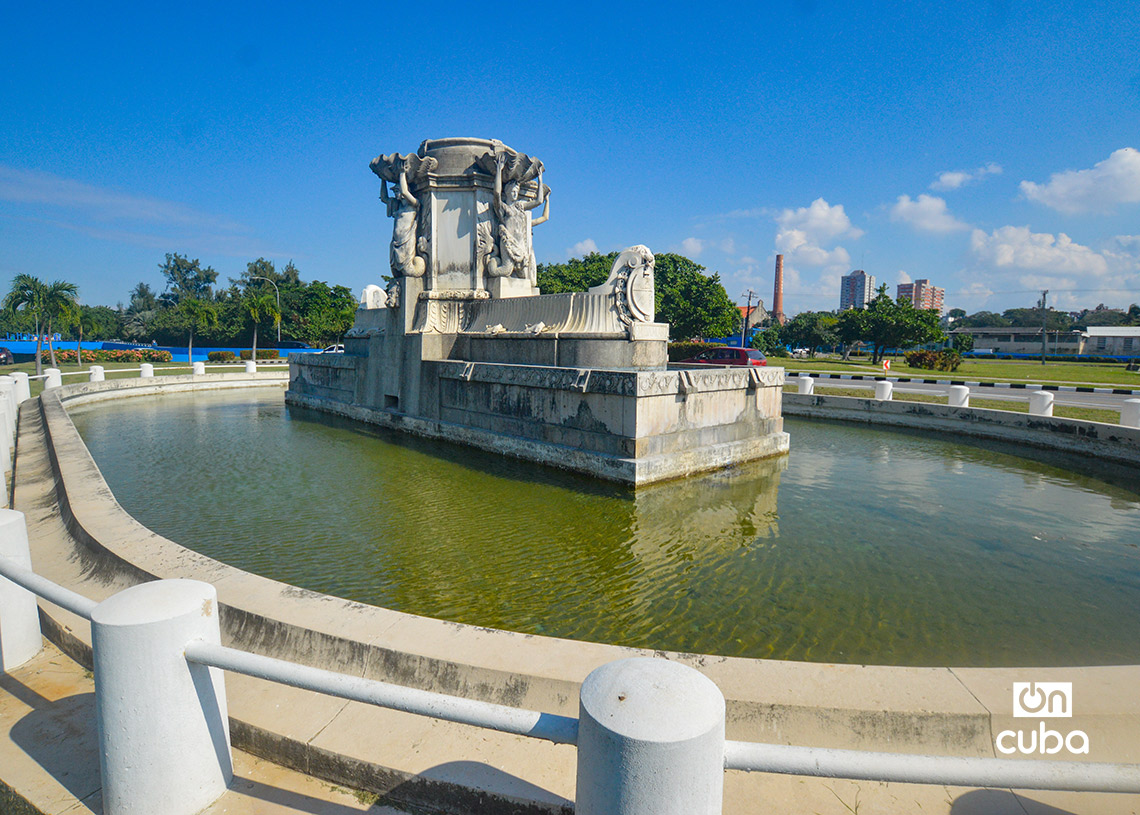
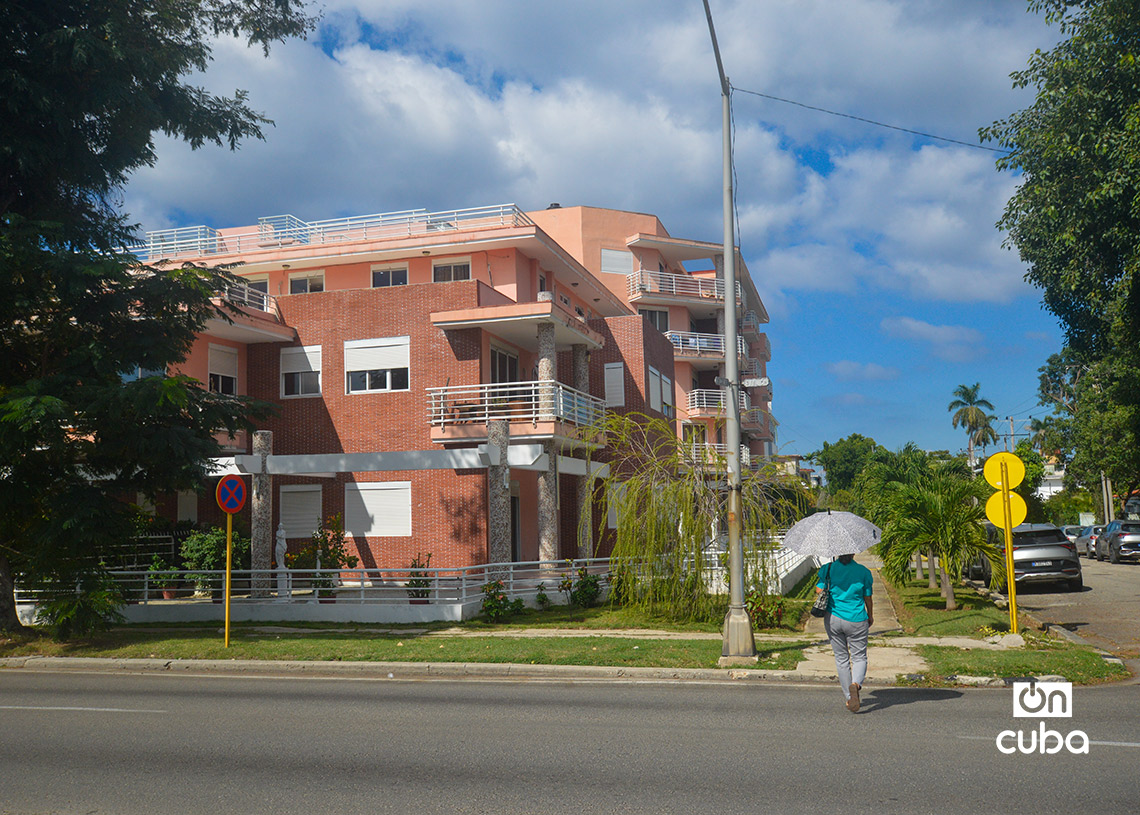
Many of the beautiful residences on Fifth Avenue became embassies or headquarters of state entities. Over time, hotels, shops, restaurants and private businesses would also emerge that maintain an exclusive atmosphere compared to the streets cluttered with garbage and buildings in poor condition that swarm in the rest of the city.
The photojournalist brings us closer to its initial section, the one that is discovered just after passing the tunnel and extends through several perfectly straight and aligned blocks before reaching La Copa, at 40th Street. Otmaro Rodríguez.