Fesoca explained that the production of sugarcane “is concentrated in the Portuguese state that has 75% of all production nationwide.” The president of the Federation of Cañicultores indicated that “the five thousand hectares were not lost, they will only produce less and with the harvesting harvest, they were in the field as 300 thousand hectares that could not be grinding”
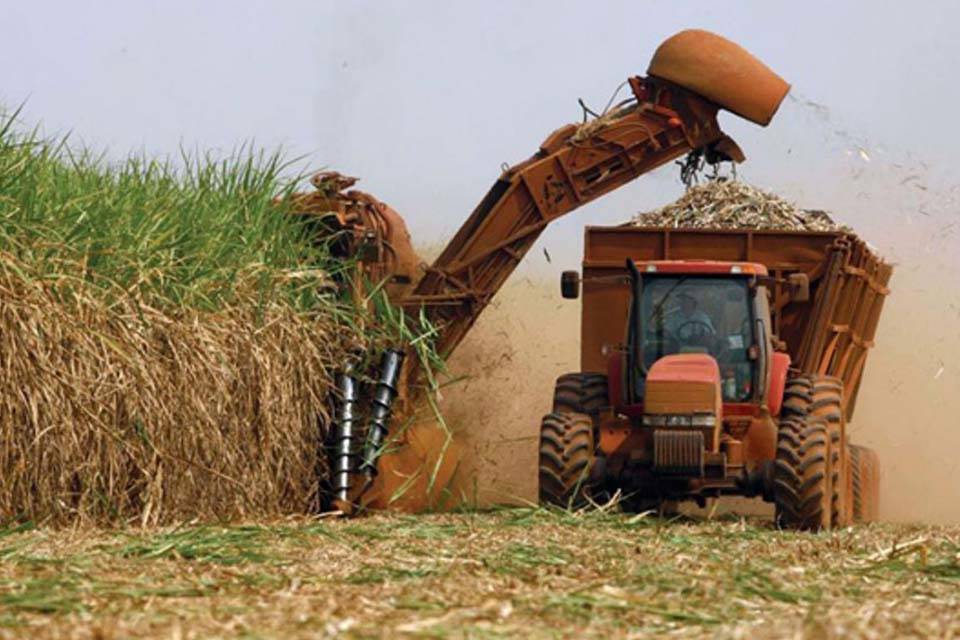
The president of the National Federation of Association of Cañiculs de Venezuela (Fesoca), José Ricardo Álvarez, said that due to recent rains the productivity of at least 5,000 hectares cultivated were affected in the country.
“There was a very critical moment in everything that was the month of May and June, especially in the paper area, Guanare, approximately 5,000 hectares of sugar cane were flooded,” Álvarez said during an interview with Radio Union.
He explained that “the five thousand hectares were not lost, they will only produce less and with the harvest that is finishing, they were in the field as 300 thousand hectares that could not be grinding.”
He also indicated that the cane cultivation “will undoubtedly be affected in the final productivity because, when it is under water, it has no oxygen and that reduces the growth capacity.”
He explained that they currently supply approximately 60% of the national market. “At present, the production of sugarcane is concentrated in the Portuguese state that has 75% of all production nationwide.”
When asked about the possibility of exporting sugarcane, he said that “we currently have no sufficient capacity. I believe that if we continue on this growth streak, there are many possibilities that in five years we even have the possibility of exporting, but at this time not, because the priority is to cover the national demand and in that we are focused ».
*Journalism in Venezuela is exercised in a hostile environment for the press with dozens of legal instruments arranged for the punishment of the word, especially the laws “against hatred”, “against fascism” and “against blockade.” This content was written taking into consideration the threats and limits that, consequently, have been imposed on the dissemination of information from within the country.
Post views: 257