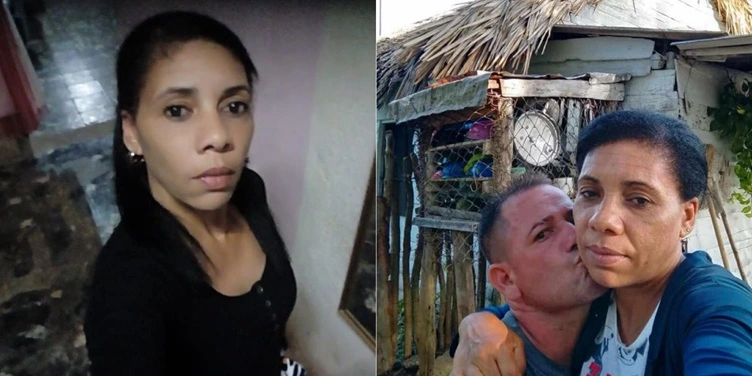
The victim, Miriela Mesa Hernández, 45 years old, was murdered in the Chambas municipality; He leaves a six-year-old daughter.
MADRID, Spain.- The independent observatories Alas Tensas and Yo Sí Te Creo in Cuba confirmed This Tuesday a new case of feminicide occurred on November 2 in the town of Falla, Chambas municipality, province of Ciego de Ávila, where Miriela Mesa Hernández, a 45-year-old teacher recognized for her work at the Carlos Manuel de Céspedes primary school, was murdered.
According to reports released by the observatories, the crime took place between 6:00 and 7:30 in the afternoon in a place known by neighbors as the Parque de las Mentiras, within the Falla plant. The alleged aggressor, Osvany Noa, the victim’s ex-partner, would have been harassing and threatening her for weeks after the separation.
According to the testimony of the victim’s niece, Yoania González Castillo, and neighbors, Noa fatally attacked Miriela, stole her cell phone and bicycle, and fled the scene.
The media publication The Scissors, one of the first to report the crime, added that Miriela had ended the relationship four months ago, and since then she had suffered constant harassment. According to neighborhood reports spread by the page “Child reporting a crime”the attack occurred in front of his six-year-old daughter, an event that has deeply shocked the community. Witnesses reported that days before the murder, the attacker broke into a nearby home throwing stones and showing a knife while threatening the victim.
Despite obvious signs of danger, no preventive measures were taken. Alas Tensas stressed that this crime once again shows the lack of effective protection mechanisms against sexist violence in Cuba, even in cases where there is a history of harassment and threats.
With this case, the Alas Tensas and Yo Sí Te Creo observatories in Cuba raise the number of verified femicides to 36 in 2025, while they continue to verify other alerts. Both organizations insisted that reporting these crimes does not constitute a crime, but rather an act of defense of human rights and a demand for justice in the face of impunity.
In a context where the criminalization of gender activism persists, the observatories reiterated their commitment to the memory of the victims and the protection of Cuban women.