The closure of family reunification programs through parole was a direct blow to families in the region, including Cuban ones.
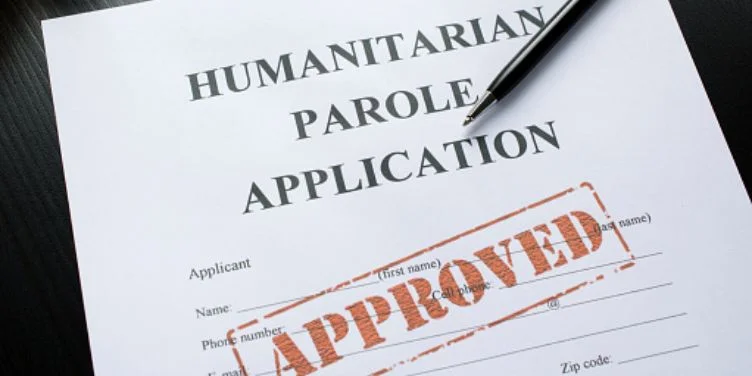
LIMA, Peru – U.S. District Court Judge Indira Talwani blocked the Trump administration’s attempt to end the legal status of 8,400 family members of U.S. citizens and permanent residents who moved to the U.S. from seven Latin American countries, including Cuba.
An agency report Reuters reported that Talwani issued a preliminary court order the day before that prevents the Department of Homeland Security (DHS) from ending the humanitarian parole granted to thousands of people from Cuba, Haiti, Colombia, Ecuador, El Salvador, Guatemala and Honduras.
Last December, the DHS announced the end of the program of reunification alleging abuses and lack of coherence with Trump’s immigration priorities, but the federal judge blocked the measure.
Talwani said the government failed to provide evidence of fraud or assess the actual impact on beneficiaries, many of whom would not be able to easily return to their countries. Therefore, it concluded that the policy change was arbitrary and without adequate justification.
DHS did not respond to a Reuters request for comment on the ruling, which came in a class-action lawsuit brought by immigrant advocates against the elimination of temporary permits. parole. In that same case, Judge Talwani had previously blocked the cancellation of the program for some 430,000 migrants, although that decision was later reversed by higher authorities.
The closure of family reunification programs parole It was a direct blow to tens of thousands of families in the region who had opted for this route as an alternative to irregular routes.
For Cubans, in particular, the impact was twofold: the specific program of Cuban Family Reunification Parole (CFRP), operational since 2007, had allowed family members of citizens and legal residents to travel to the United States for years.