The president of Fedecámaras Zulia indicated that these restrictions of international flights complicate the entry and exit of technicians or machinery manufactured abroad and that the companies and industries that are developed in the state need
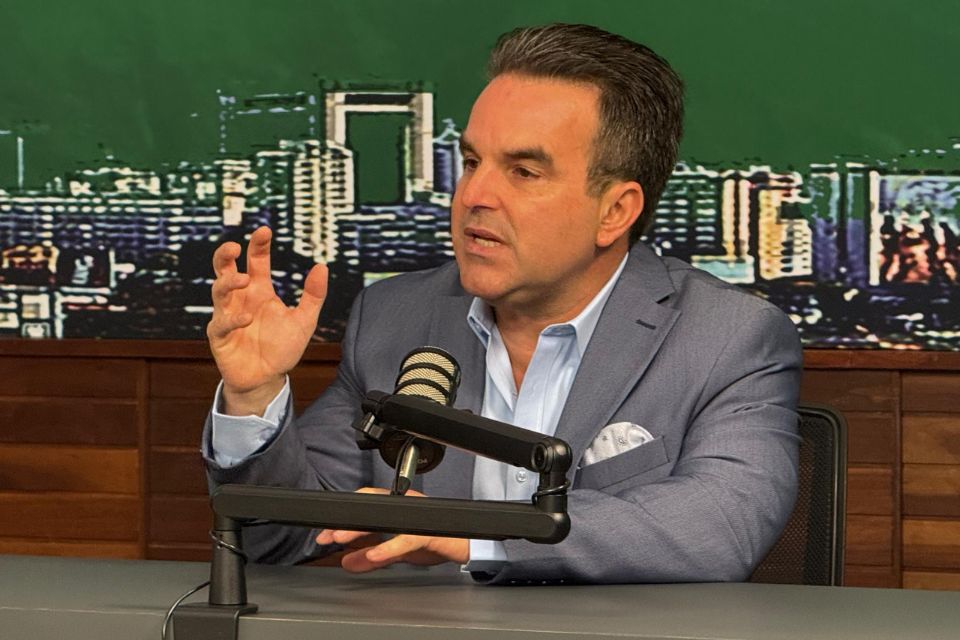
The president of Fedecámaras Zulia, Paúl Márquez, indicated that businessmen of that entity have raised the need to recover international air connectivity for the Chinita terminal, which serves the city of Maracaibo.
According to the union leader, for more than a year there is not a single international flight whose destination is Maracaibo or that takes off from the Zulian capital to another country. “We are not receiving international tourists, nor are we sending from Maracaibo to entrepreneurs or citizens who have activities in other parts of the world,” he said in an interview for Radio Union.
He indicated that these restrictions of international flights complicate the entry and exit of technicians or machinery manufactured abroad and that companies and industries that are developed in the state need.
«The Zulians, in order to leave the country, must move to Caracas; Or they were traveling by vehicle to the line (border point), sealing a passport, passing to Maicao and then to Riohacha, and from there take a flight to Bogotá to be able to address until the final destination, ”said Márquez to quantify the hours and money that any traveler must invest.
The unionist pointed out that this is a problem that is solved with the will of the airlines, the governments of countries where these flights arrive and the administration of Nicolás Maduro.
“Maracaibo is ready to receive international flights, for the sake of citizenship, tourism and business,” he reiterated. He also said that the reactivation of flights would favor the export of products made throughout the western region such as blue crab, shrimp, among other products.
On the other hand, the president of Fedecámaras Zulia commented on the reactivation of Chevron’s operations in the country and said that “it is a source of satisfaction, because we know that jobs and benefits will be generated around all oil exploitation.”
He pointed out that the reactivation of “a large number of direct and indirect jobs is expected: contractors, service companies, hoteliers, food issues, everything that revolves around oil activity.”
*Journalism in Venezuela is exercised in a hostile environment for the press with dozens of legal instruments arranged for the punishment of the word, especially the laws “against hatred”, “against fascism” and “against blockade.” This content was written taking into consideration the threats and limits that, consequently, have been imposed on the dissemination of information from within the country.
Post views: 337