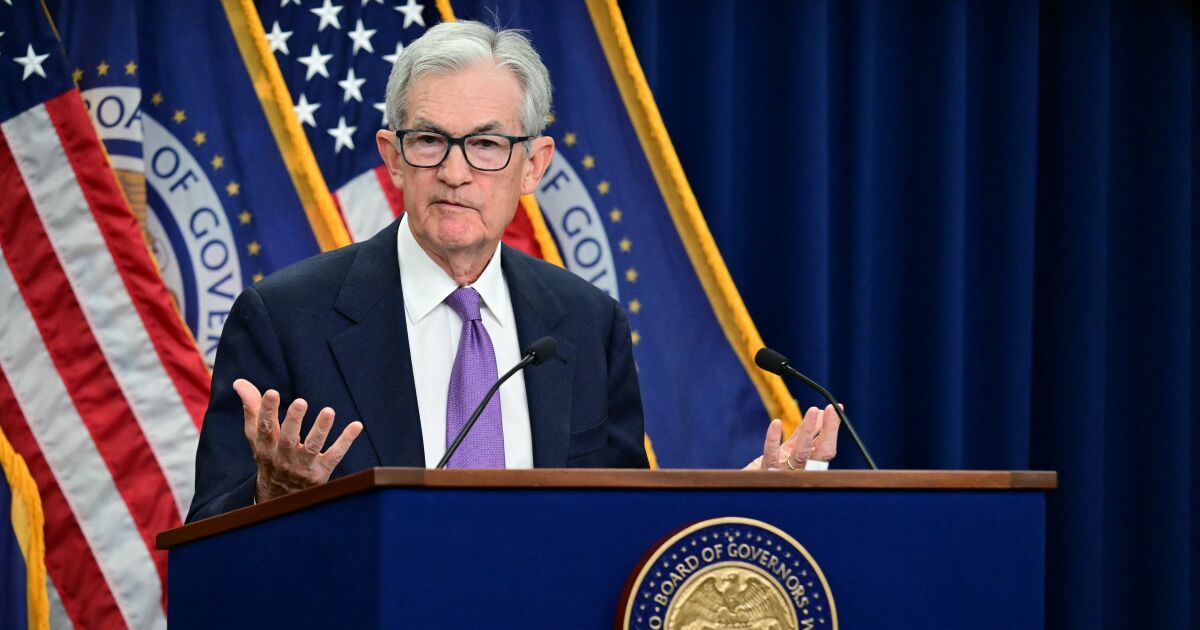
The decision to reduce reference rates to a 3.75%-4% rangewhich was expected by the markets, was approved by 10 votes in favor and two against, as reported by the Fed (Central Bank) in a statement.
Central bank Chairman Jerome Powell dampened the mood of rate-cutting supporters such as President Donald Trump when he said after the meeting that a decision on a further rate cut at the next monetary policy committee meeting in December is “far” from a done deal.
“We continue to face risks,” Powell said at a news conference. “In the committee’s deliberations during this meeting, there were very divergent views on how to proceed in December. A further rate reduction at the December meeting is by no means a foregone conclusion.”
Unlike the usual consensus, this latest meeting has revealed the division among the Fed’s voting members. One of the committee members voted against the cut because he favored a larger reduction, half a point, while another wanted to keep rates unchanged.
With this cut, the Fed is trying to boost a US economy in the process of assimilating the effects of the vast battery of tariffs imposed by Trump on the country’s trading partners, waiting for some key official data to be published once the closure of public services or “shutdown” ends.
“Republicans and Democrats remain deadlocked in federal budget negotiations almost a month after the start of this paralysis.”
Powell stated that the shutdown of the federal government “will affect economic activity,” although “these effects should be reversed once” the shutdown ends.
Concern about the labor market
Fed officials have expressed concern about the cooling of the labor market in recent months, which has led them to try to stimulate hiring by lowering rates, even though inflation remains above the 2% target.
Lower rates make credit cheaper and encourage consumption and investment.
The Fed also announced Wednesday that it is ending its policy of reducing the size of its assets and liabilities, a move anticipated by markets.
The Fed’s holdings skyrocketed with the arrival of Covid and its members have been reducing them since the end of the pandemic.
“I think they are very cautious about tensions in the financial markets,” Loretta Mester, former president of the Cleveland Fed, told AFP. “They could reduce the balance a little more,” he said.