The Secretariat of Economic Policy of the Ministry of Finance presented this Thursday (13) macroeconomic projections for the country in 2025. According to the portfolio, food inflation should give in by the end of the year and present mainly due to a climate scenario better, from recordsand the end of the reversal of the cattle slaughter cycle.
“We are seeing that, for example, a very favorable crop of soy, a very favorable crop of rice and beans, will help [a conter] The prices of cereals, legumes, derived from soy. We are also seeing that, from March, the projection is of climate neutrality, which tends to help the price of fruits and vegetables, among others, ”said the Undersecretary of Macroeconomic Policy, Raquel Nadal.
Meat
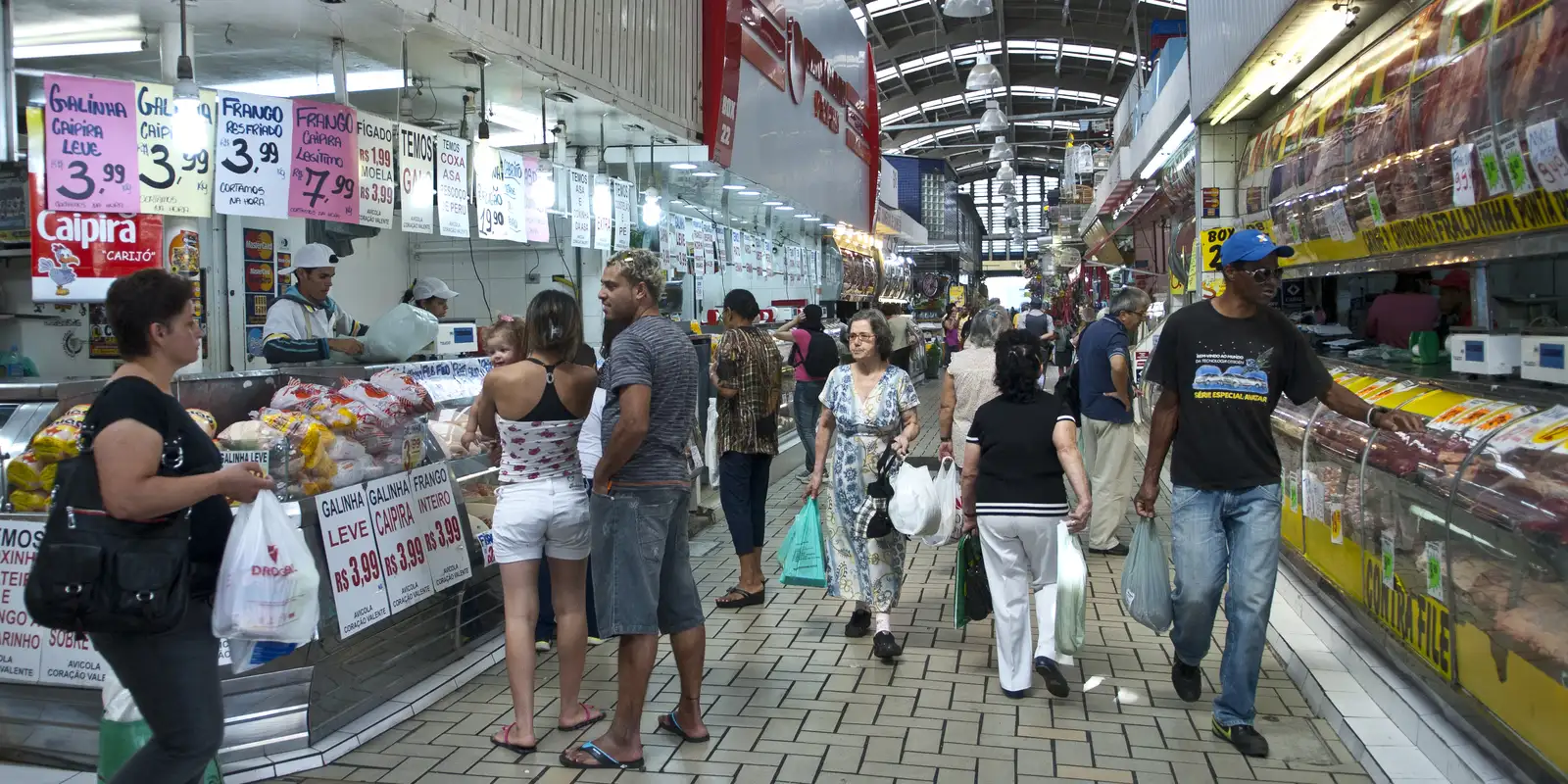
The behavior of the price of meat in 2025, according to the Undersecretary, will play a central role in the result of food inflation. The price of the product should slow down due to the end of reversal of the slaughter cycle – a period when cows are intended for slaughter, after retention of procreation and the entry of calves in the market – which will increase the supply of animals to the market .
“The greater impact of the reversal of the inflation slaughtering cycle was already in 2024. So the tendency is to slow these prices [em 2025]. If the price of meat rose about 20% in 2024 this year, this inflation should slow down. So we are seeing all this helping in [contenção da] Food inflation, ”added Raquel Nadal.
The undersecretary stressed that coffee and milk prices rose by 2024 impacted by droughts and burning in the second half of the year. Already inflation in the price of orange occurred, according to her, due to Greening, a disease that impairs the production of citrus.
The biggest shock in food prices last year, according to the Undersecretary, came due to the reversal of the cattle slaughter cycle from August onwards. The fall in slaughter, added to the strong growth of exports in 2024, led to a rise of more than 19% in the price of cattle meat.
“The rise was so relevant that, excluding beef meats from the inflation rate, we would have food inflation by about 6.2% instead of 8.2% in 2024. In this scenario, full inflation would have closed 2024 within the goal , at 4.5%, ”said Nadal.
For 2025, the Secretariat of Economic Policy of the Ministry of Finance projects an increase of 4.8% in the National Consumer Price Index (IPCA), a variation similar to that observed in 2024.