The impact of the fuel crisis in Cuba is already being felt in its agricultural sector and the effect is “serious,” he warned in an interview with EFE the regional representative of the Food and Agriculture Organization of the United Nations (FAO), René Orellana.
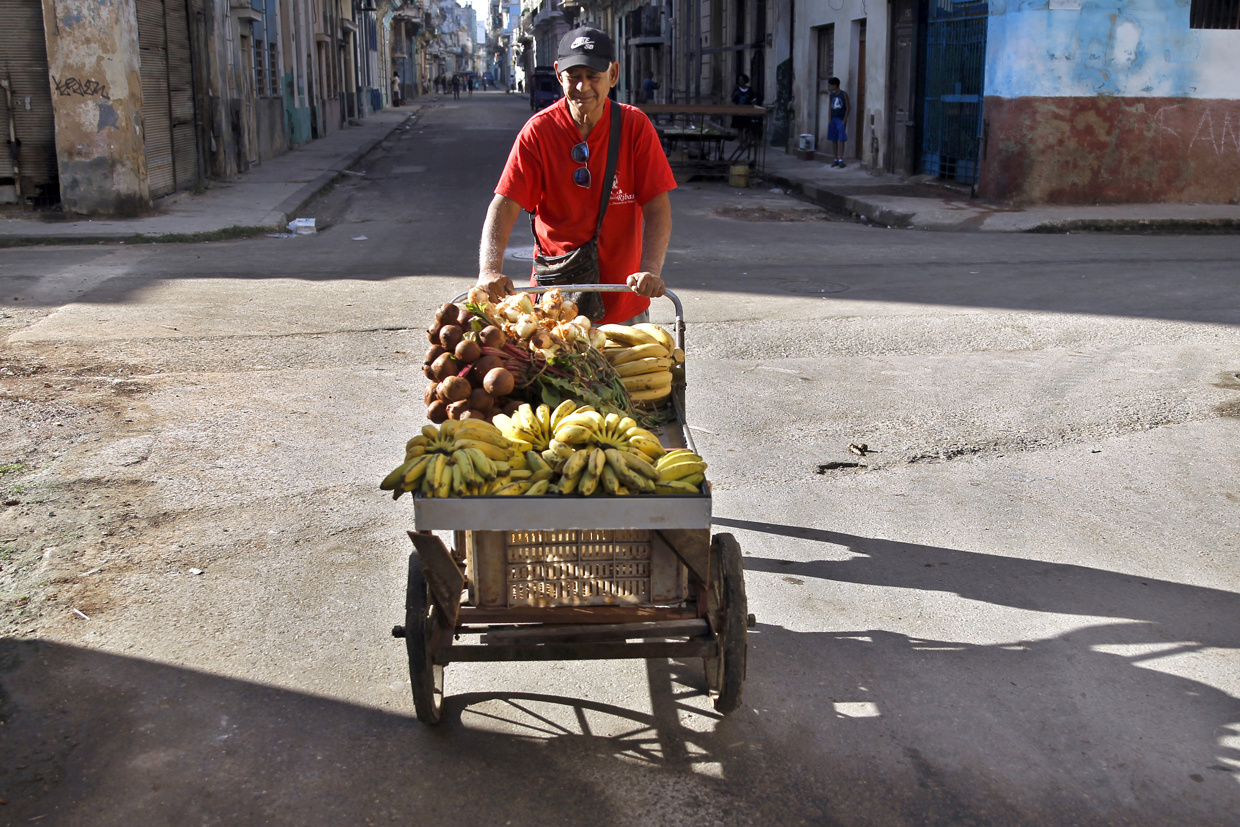
The FAO head for Latin America and the Caribbean stated that the lack of fuel, caused by the actions of the government of US President Donald Trump“is limiting” the use of machinery by farmers to carry out the harvest.
“Several crops are at risk of not being harvested properly,” he warned.
As a consequence of this situation, Orellana assured that the population of the Caribbean island “will not be able to access these foods.”
In this context, the FAO and other UN organizations are promoting a transition to renewable energy sources to reduce “dependency” on hydrocarbons, explained the head of the agency.
Among the options promoted are the installation of new irrigation systems, as well as small-scale photovoltaic and hydroelectric plants.
“They are accessible energy sources that must be worked on to support small family production,” said Orellana.
Trump threatened to impose trade tariffs on countries that supply oil to Cuba, in his latest attempt to force regime change on the island.
Venezuela, the main supplier of hydrocarbons, stopped doing so after a pressure campaign that culminated in the capture of Venezuelan President Nicolás Maduro during a US military operation in January.
Mexico, another ally of the Cuban Government, also suspended oil shipments due to claims from the United States, its largest trading partner.
This situation forced the island’s authorities to impose extreme rationing measures on fuel use, which, in turn, restricted the transportation of agricultural products to markets.