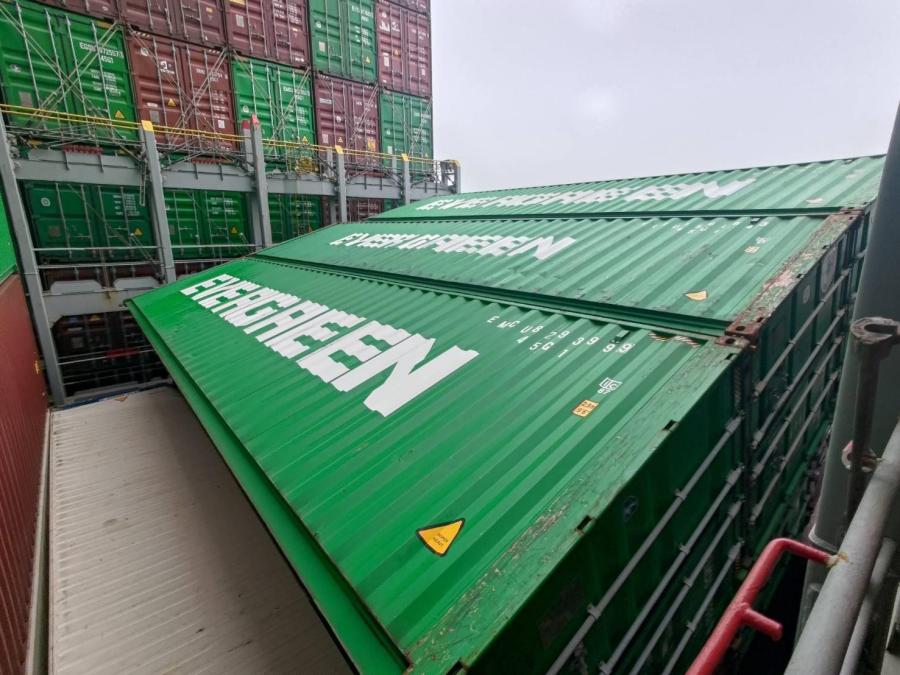
The recent one Fall of more than 50 containers from a ship anchored in the bay of Callao —Every that forced the main port of the country to partially closed – has lit alarms on latent risks in maritime logistics operations. The loss of load, the interruption of the port traffic and the high recovery costs show an urgent need: protect the load with specialized insurance.
Although no hazardous materials or personal damage were reported, the incident generates relevant operational, economic and legal repercussions. According to experts in the sector, these situations may severely compromise the heritage of importing or exporting companies if they do not have specialized merchandise insurance.
In this context, Avla, insurer with presence in Peru, Chile, Mexico, Brazil and the US, highlights the crucial role of merchandise transport insurance as key tools for risk management and the operational continuity of importers, exporters and logistics operators.
“What happened in Callao may seem exceptional, but it is part of a more frequent type of accidents of what is believed. The drop in load, damage during traffic and accident losses are common risks in international transport, and it is essential to be prepared to manage them properly. This is where specialized insurance becomes an indispensable containment barrier for any company that operates in foreign trade,” said Álvaro, ” Seminar, Corporate Manager of Transport in Avla.
Seminar recalls that, in these cases, transport insurance can cover from the loss or damage of the goods, figures or circumstances little known as the “thick breakdown”, applicable when a ship must sacrifice part of the load to protect the shipment as a whole.
For example, Avla merchandise transport insurance has been designed with expanded coverage of up to US $ 10 million per boarding, and adapts to land, maritime, aerial and multimodal operations.
In addition to covering risks during transit, many policies include extended post-ribo protections, in case the load cannot be immediately removed from the port or terminal, which is especially useful in congestion or emergencies contexts such as the one lived this week in Callao.
“Insurance is not just financial support; it is an operational tool that allows companies to act with forecast, professionalism and continuity against events that do not control,” he added.
Prevention and assurance
The incident also opens a broader debate on the culture of prevention in the Peruvian logistics chain. Although the country aspires to become a regional hub thanks to megaprojects such as the new Jorge Chávez airport or the port of Chancay, important gaps in insurance coverage still persist, especially between SMEs and not formalized operators.
“What we must discuss is not just how we react to an accident, but how we prevent it from a risk management strategy that includes training, protocols and adequate coverage,” said Seminar.
From his experience in the region, Avla has identified that a significant part of the logistics actors still underestimate these risks or does not know that there are solutions adaptable to different operating scales.
DATA
· The merchandise land transport market in Peru Projects a growth of US $ 10.75 billion to 2029.
· Among the most frequent accidents are: robberies, accidents, breakdowns and losses in maritime transit.
Receive your Peru21 by email or by WhatsApp. Subscribe to our enriched digital newspaper. Take advantage of discounts.
Recommended video: