Adriana Pérez Mugia (Pinar del Río, 1985) has traveled a long path, in art and life, until today. His work, self -referential, is an incessant search for the transcendental properties of being (ontology), a ruling in essences with artistic tools.
She asks the usual questions, elementaryly deep, about the origins of the human being, her design, her impossible right/obligation to live. He works for himself and from himself, for others. Think that your experience is transmissible. And faith that achieves it.
I understand that he does not want to proselytize, but to show the path through it traveled towards the acceptance of the self, self -understanding and commitment to the congeners. Not only is he friends with his body but also exalts him.
Painting, creative crafts, performance, biblical studies and photography have been present in their training process.
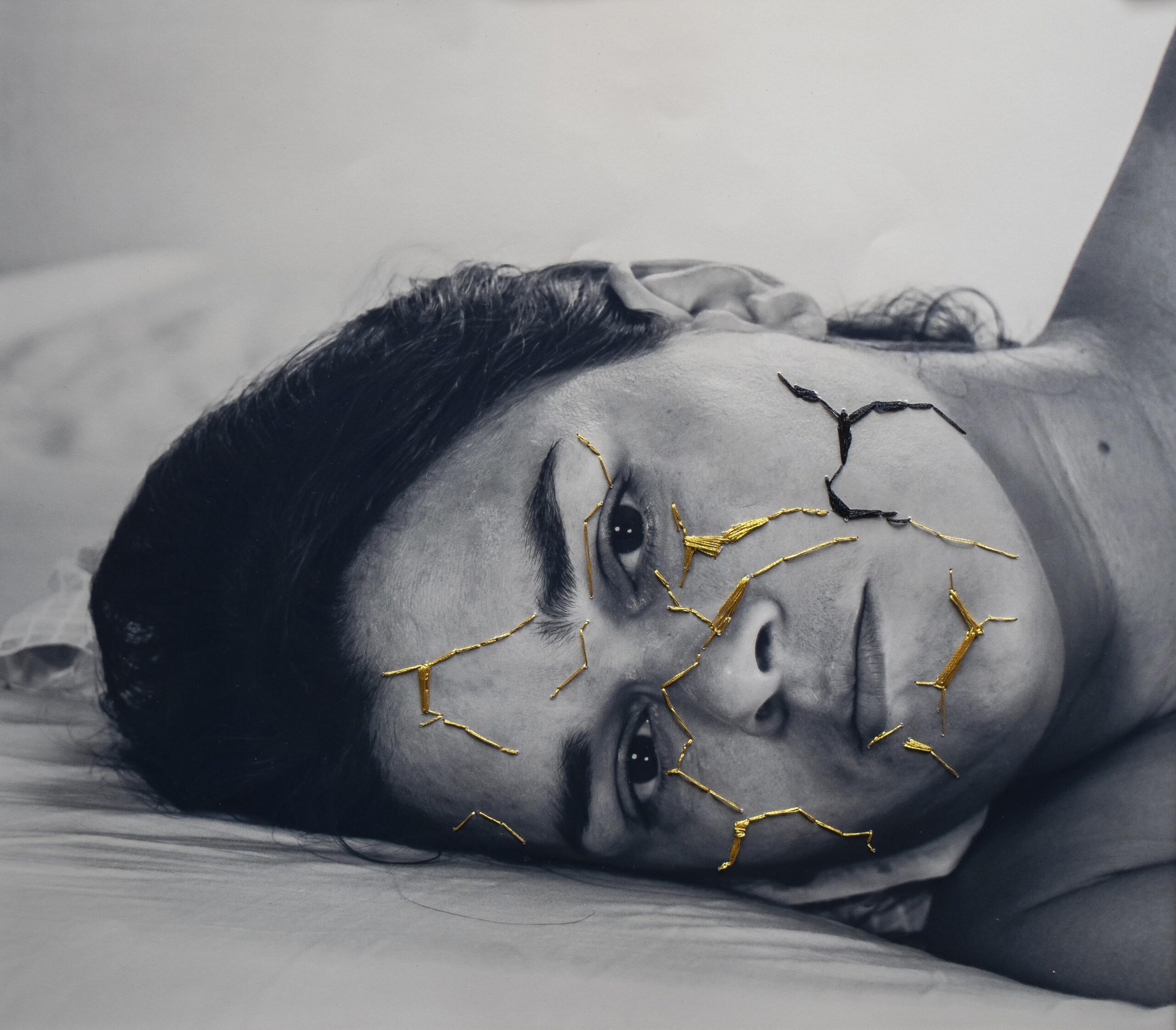
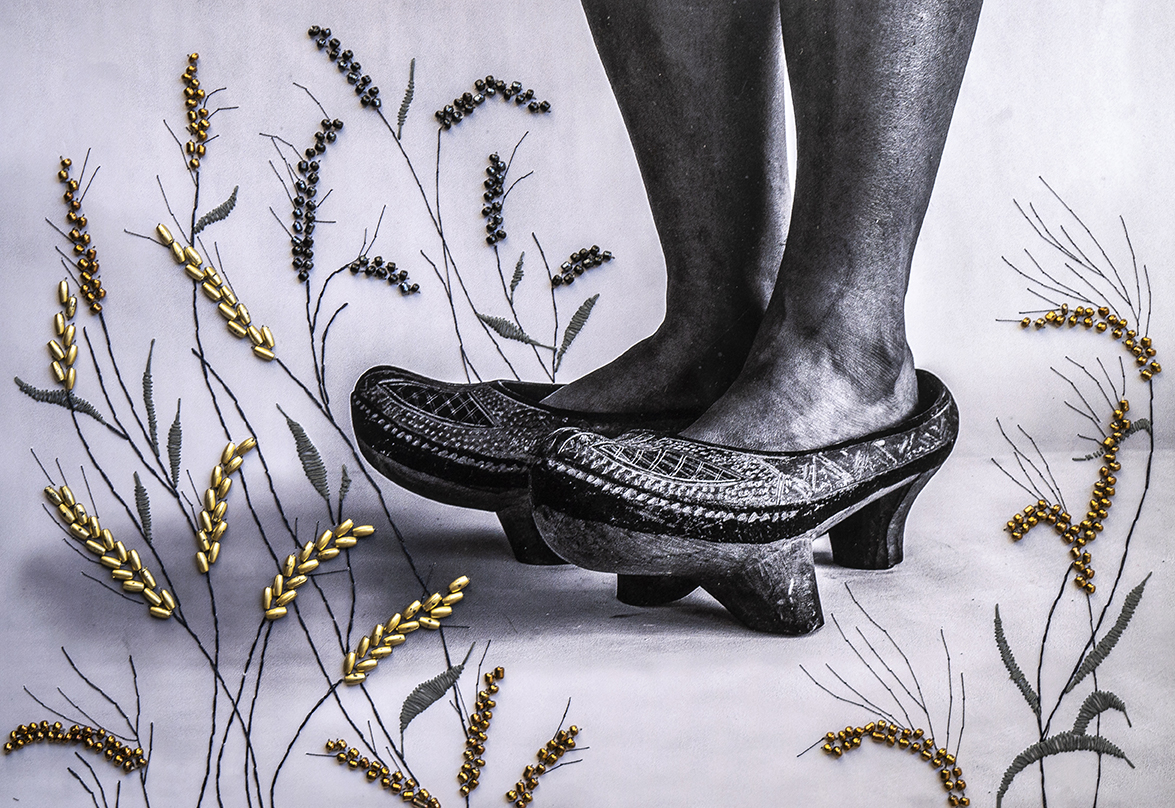
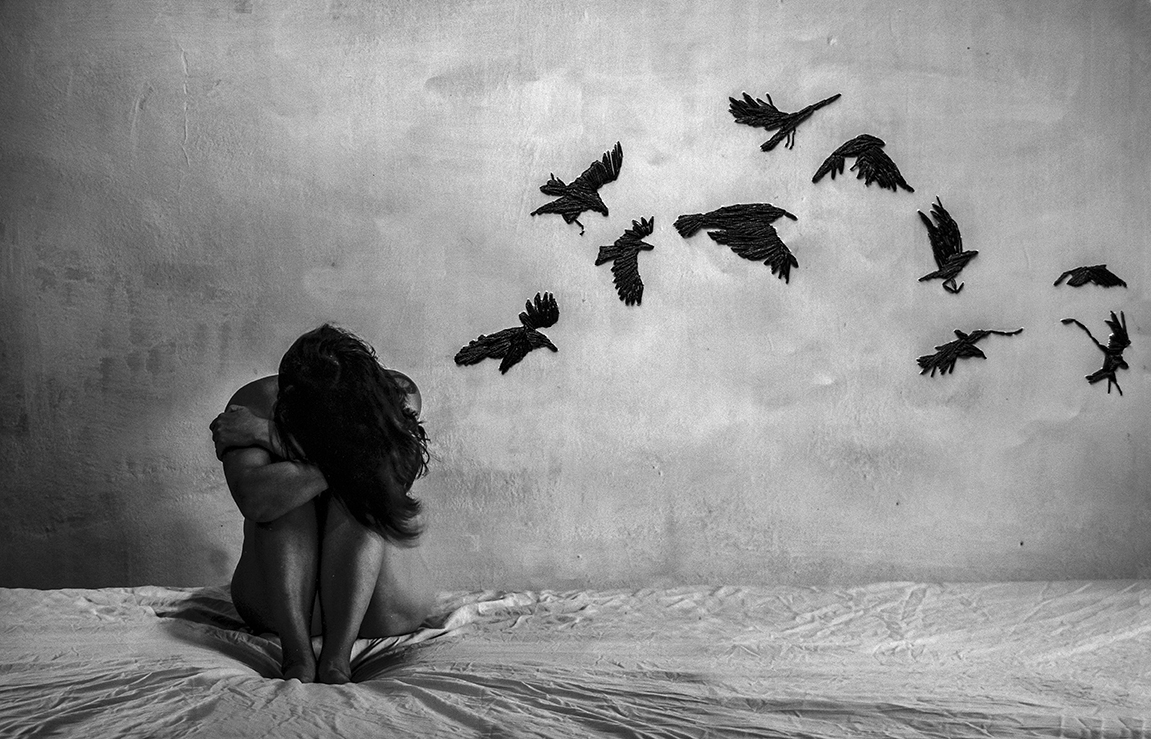
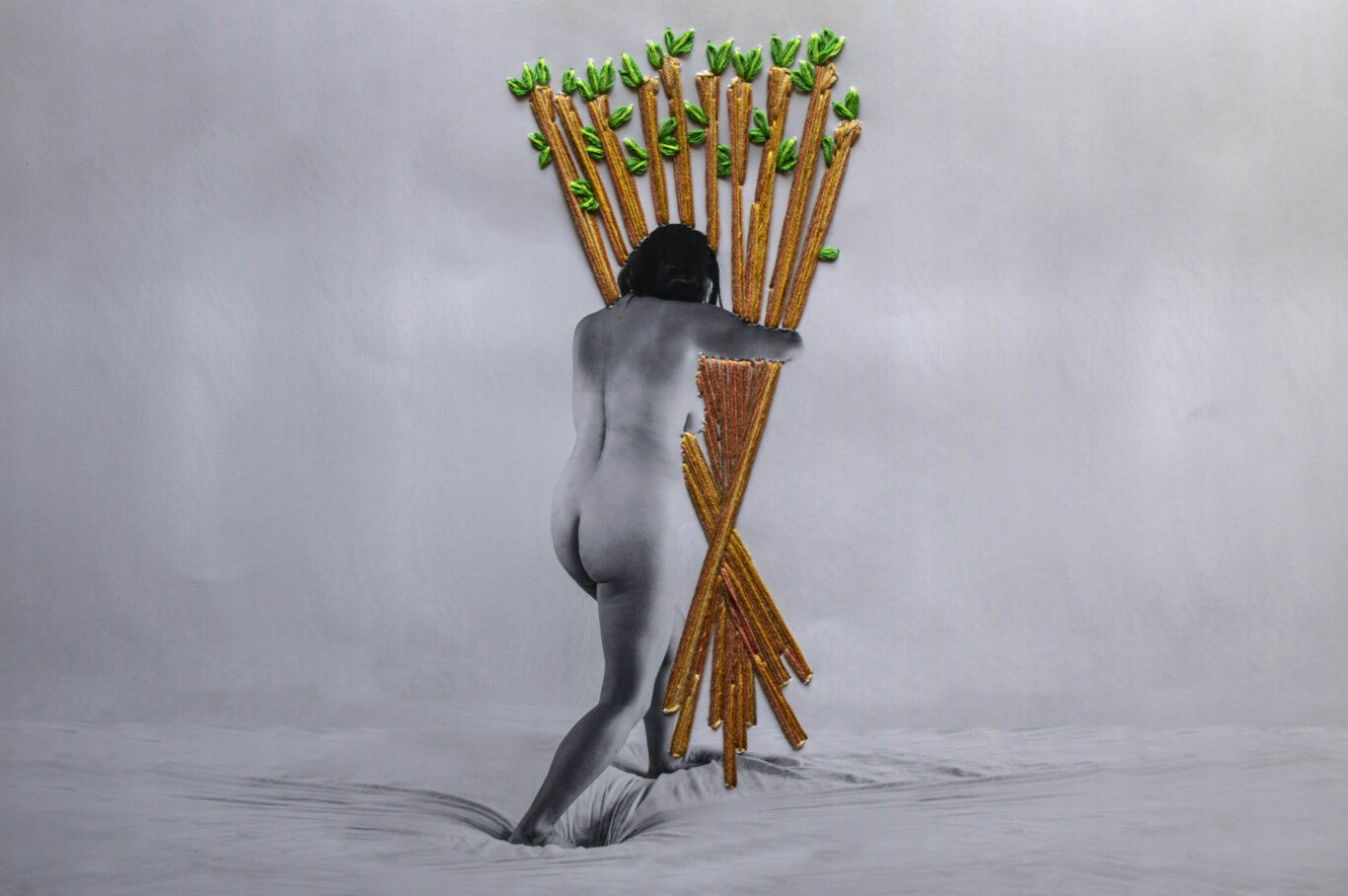
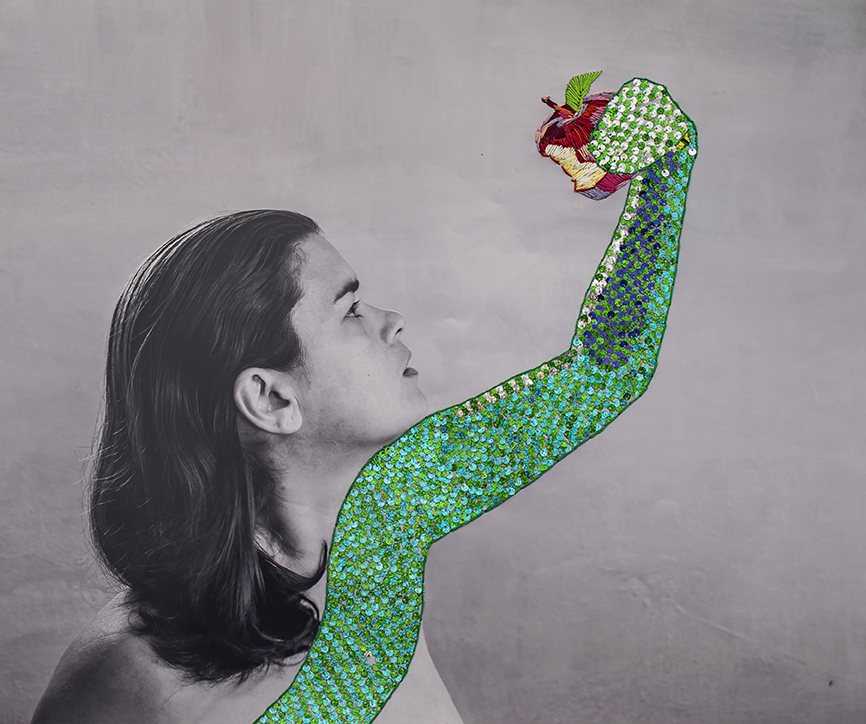
Today shows us pieces of My first homeone of its series, made up of photographs intervened with embroidery on the printed paper. I feel that in this artistic gesture there is an effort to resize, in the symbolic plane, those tasks that ancestral phallocentrism defined as exclusively feminine. Literally erases the pain and joy of being a woman; Underline, he comments, shouts from these pieces that are born from introspection. His work and a profession of faith is a claim.
And here I leave them, in word and work. Greet this talented artist.
Photography came at a difficult time
As a visual creator, my goal is to express the essence of my inner universe, as well as the personal and spiritual trips I go through. Each experience leads me to reflection: I question my reactions, who I am and where I go. This process becomes a ritual that accompanies my observation of life and its various facets.
My work acts as a mirror that reflects the complexity of the human being, and invites others to explore their own narratives, to find beauty in the vulnerability and strength that defines us.
I was born in Pinar del Río. Since childhood, the impulse to create was a way of understanding the world, and my mother was the person who accompanied me in that training and choice process.
I trained at the San Alejandro Academy of Fine Arts, where I graduated in the painting specialty. After graduating I lived a period of inquiry about what my voice was. It was a very complex process, to the point that at one time I felt lost and stopped creating.
I came to photography at a difficult time, when I felt that I had lost the creative course. The artistic photography course with the visual artist Yuri Obregón Batard was key: I returned my confidence and showed me that photography could be much more than technique, a language.
Then, in the Post F8 conceptual photography laboratory, also led by Yuri Obregón, I discovered that photography was also concept, history, emotion, memory.
In photographic practice I found a space to explore who I am, to look inside.
For years I lived disconnected from my body, as if it were an alien place. The series My first home It allowed me to reconcile with him, recognize him as a house, as shelter and root.
Loving the body with its scars, with its silences, has been an essential part of the process. Talk about the intimate, what has been lost and recovered. Art as a way of being inhabited again.
Among the people who have influenced my path is, as expressed, Yuri Obregón Batard, without whose teaching would not have discovered all the possibilities offered by photography.
I am also inspired by artists like Marta María Pérez, by their symbolic strength; Cyrenaica Moreira, for her gaze; And Ana Mendieta, which connects me with the spiritual dimension of art, with that relationship between body, earth and memory.
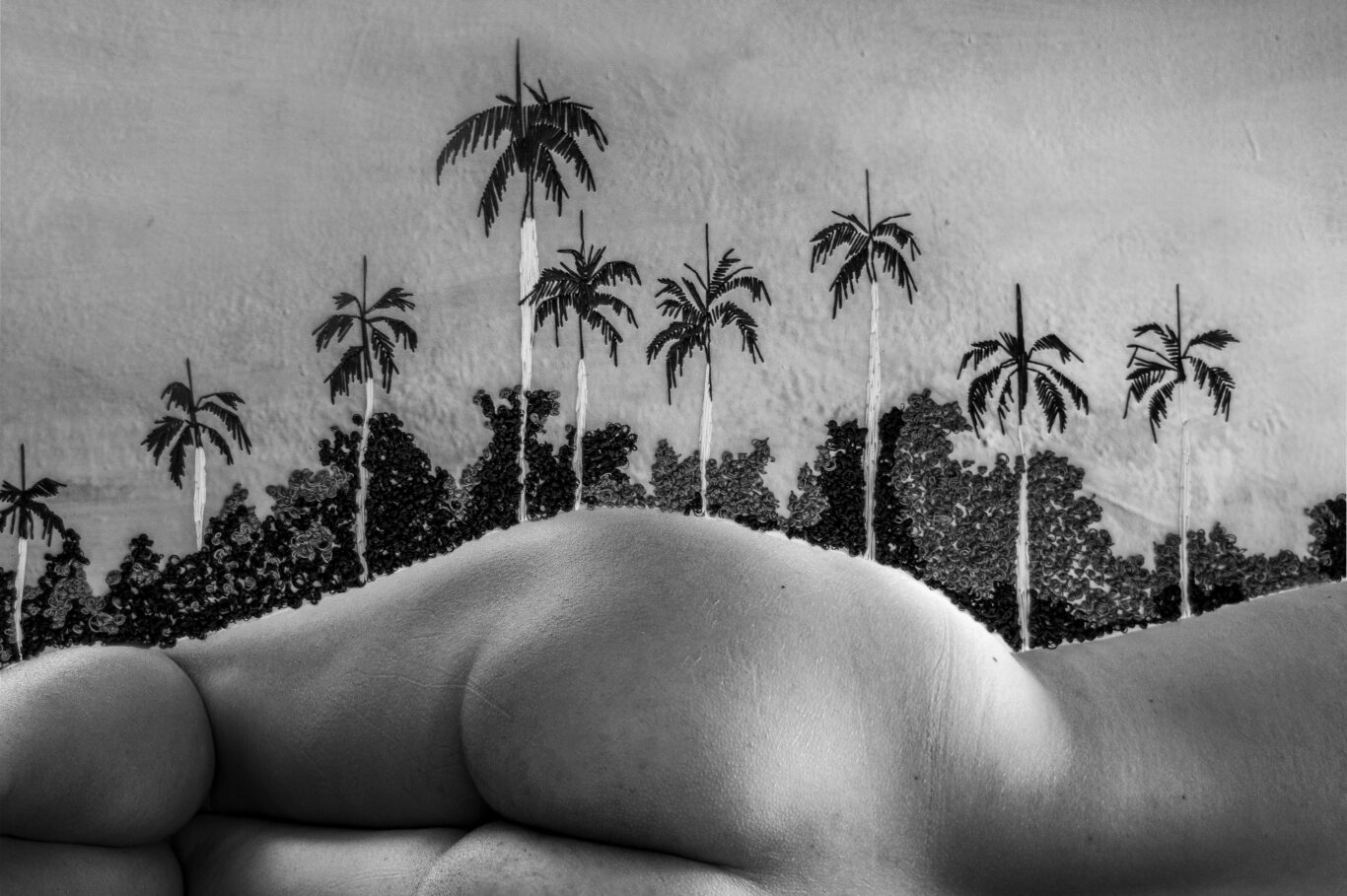
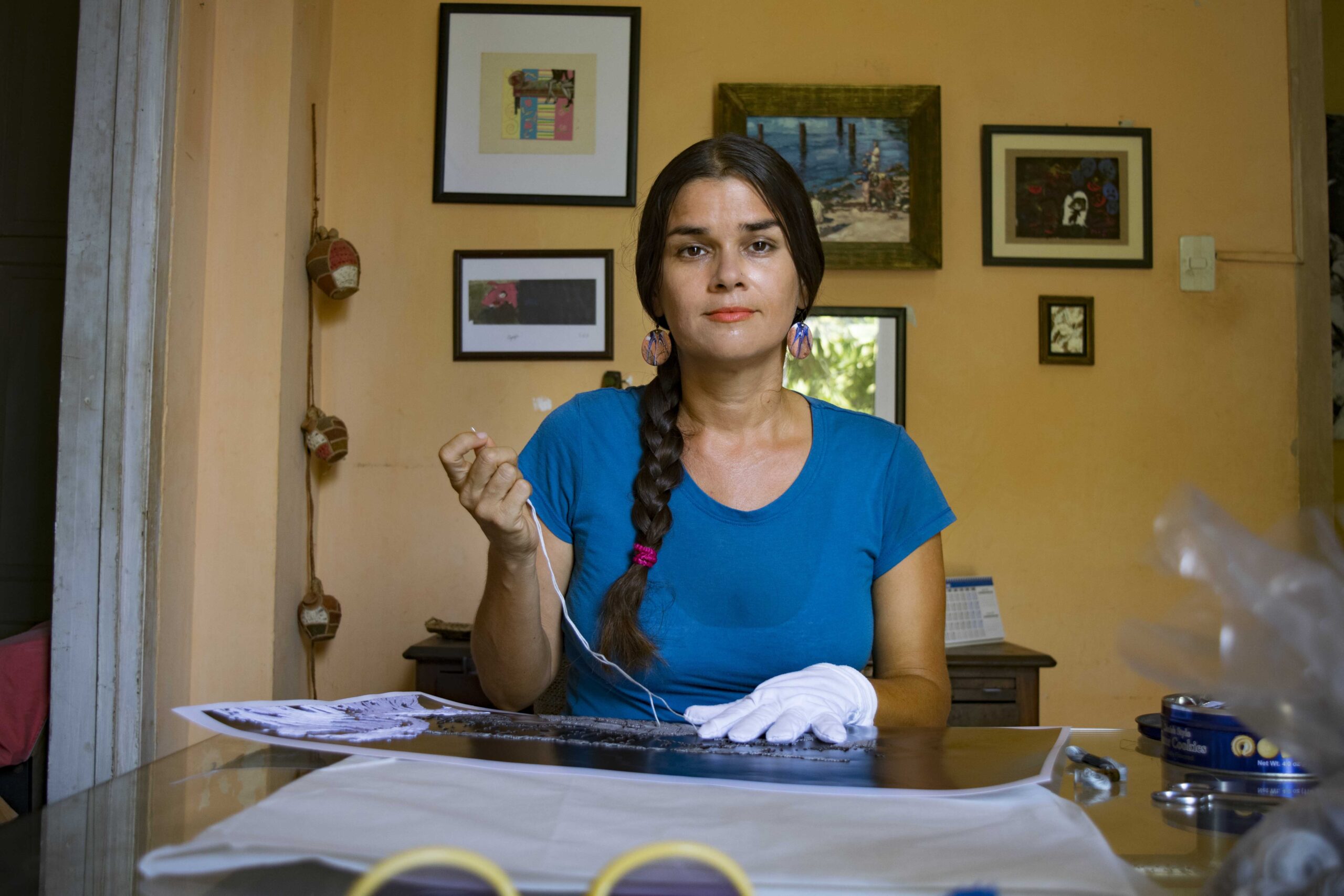
In addition, I find a deep resonance in the photobinger as artistic practice. This technique fascinated me from the first moment because of the level of care that requires: embroidered on a printed image requires precision, respect for support, and an attentive listening of what has already been visually said.
Each stitch must be thought; This technical gesture also becomes a symbolic attitude. The thread not only sews, but it underlines and transforms.
Before creating My first homethere were four bodies of works that deeply marked my symbolic and emotional search. These are:
Postcards of the pastan installation composed of family photographs and postcards, encapsulated in Petri plates. In it I worked with the idea of memory as fragment, not as a complete story; As a footprint, as an impression that persists.
Work with collagea fundamental creative exercise, allowed me to develop a visual narrative based on found images that dialogue with each other, and taught me to compose from intuition, rhythm and symbolic resonance.
Like the mooncomposed of 28 circular pieces –menstrual (watercolor on menstrual blood) on cardboard– that represent scenes linked to the cycle of life, to women. In this work I could integrate the symbolic, the bodily and the spiritual.
In the series The veil I first embroidered and discovered in that gesture a form of meditation in action.
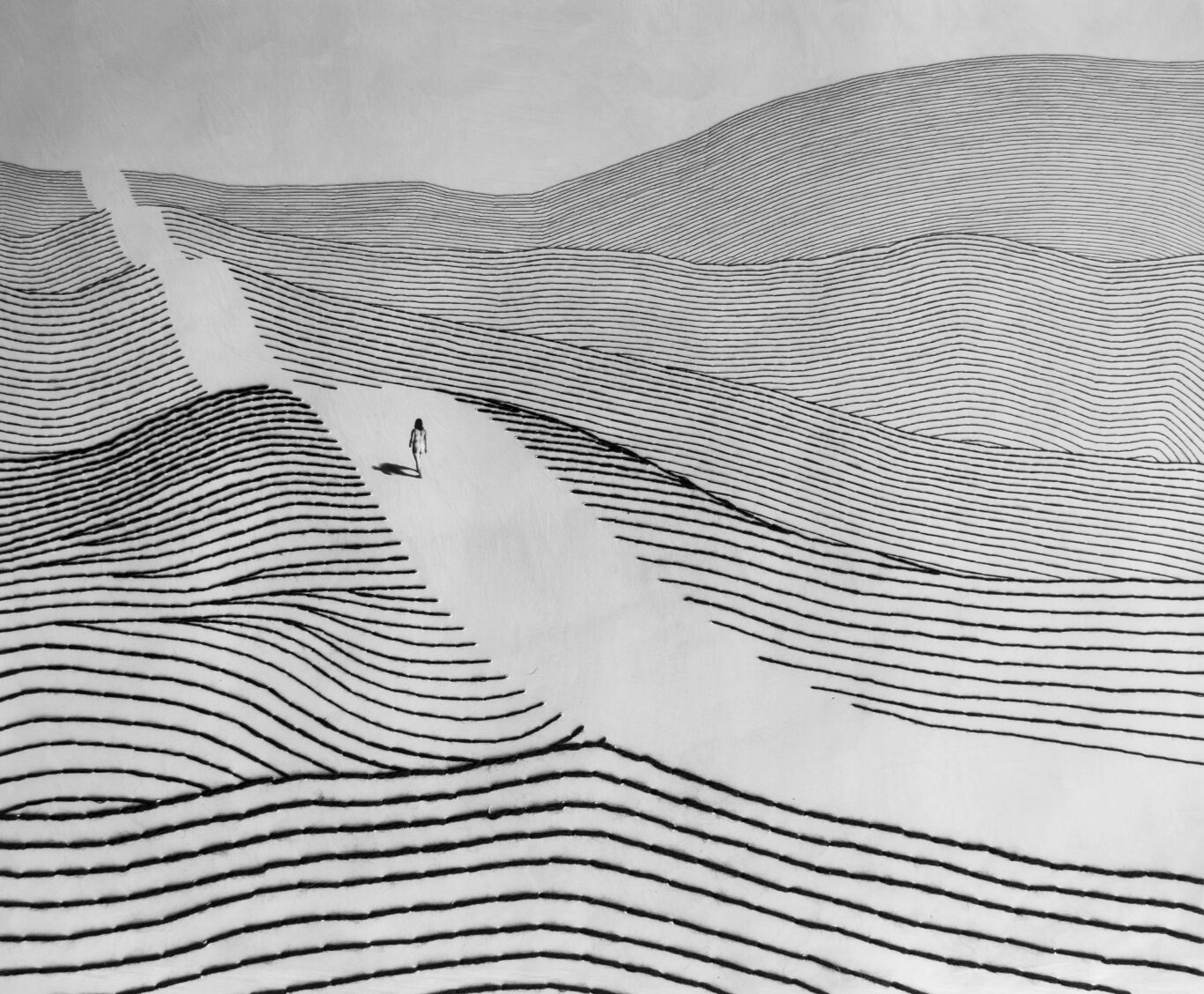
My first home
After that tour, I felt the need to look at me. Not only towards him
Lineage or collective feminine, but towards its own body: as a file, as a house, as an emotional territory. Thus he was born My first homeas an intimate and body continuation of that search.
The first piece of this series was “flourishing.” The image had taken it five years before, during my learning in the artistic photography course. It was a creative exercise. We had to photograph a part of our body that we wouldn’t like very much. I chose my abdomen. For some years I had overweight, and I found it uncomfortable to show that area of my body. In addition, two scars marked my skin, one of a appendicitis operation, and another due to a caesarean section. However, five years later, my perception had changed. I understood that each scar came from a life or death experience, and that had taught me about the ability to get up to difficulties.
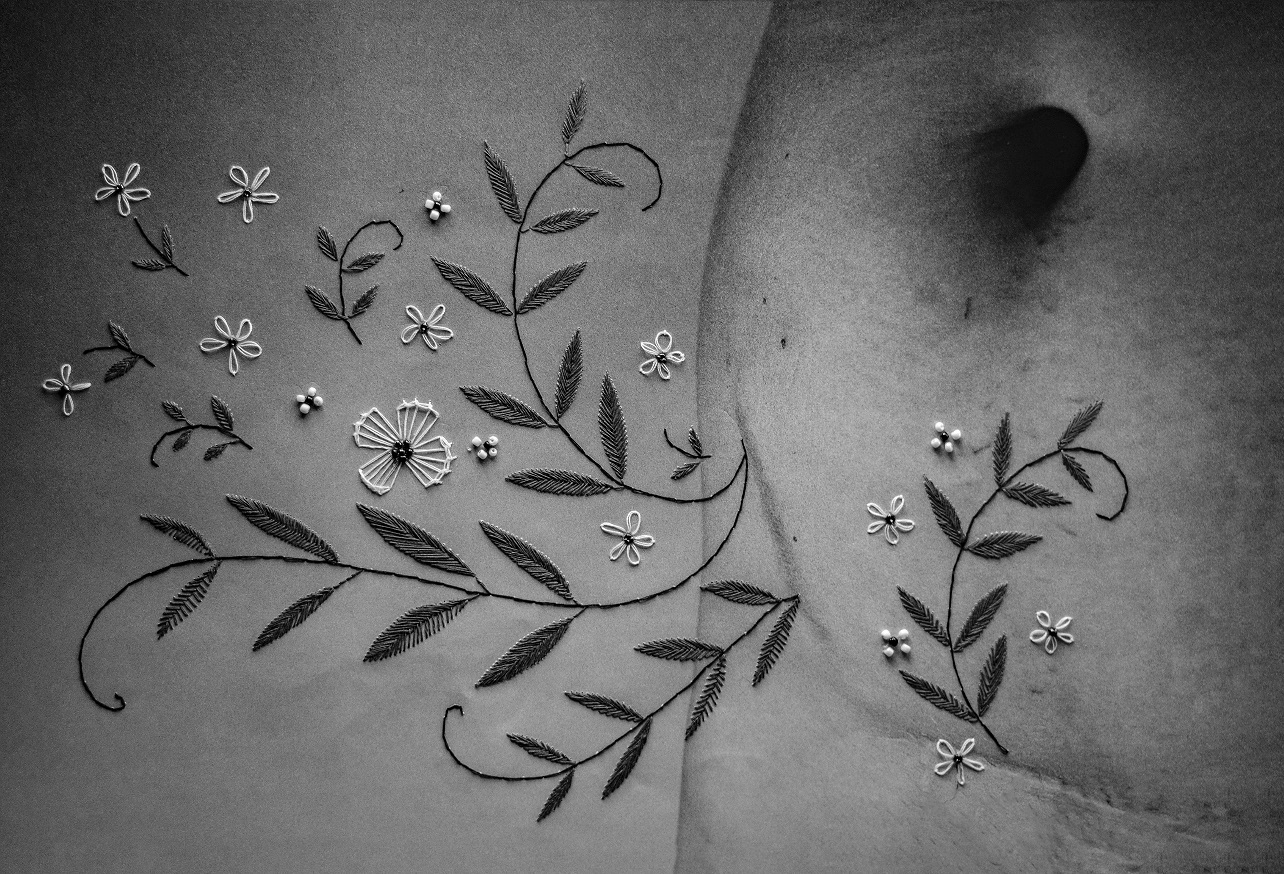
Embroidered about that image became a gesture of reconciliation. Each stitch was a way of saying: “I recognize you, I honor you, I HAVE YOU.” My first home It is a series that is born of a very personal need, reconnect with my body and my story.
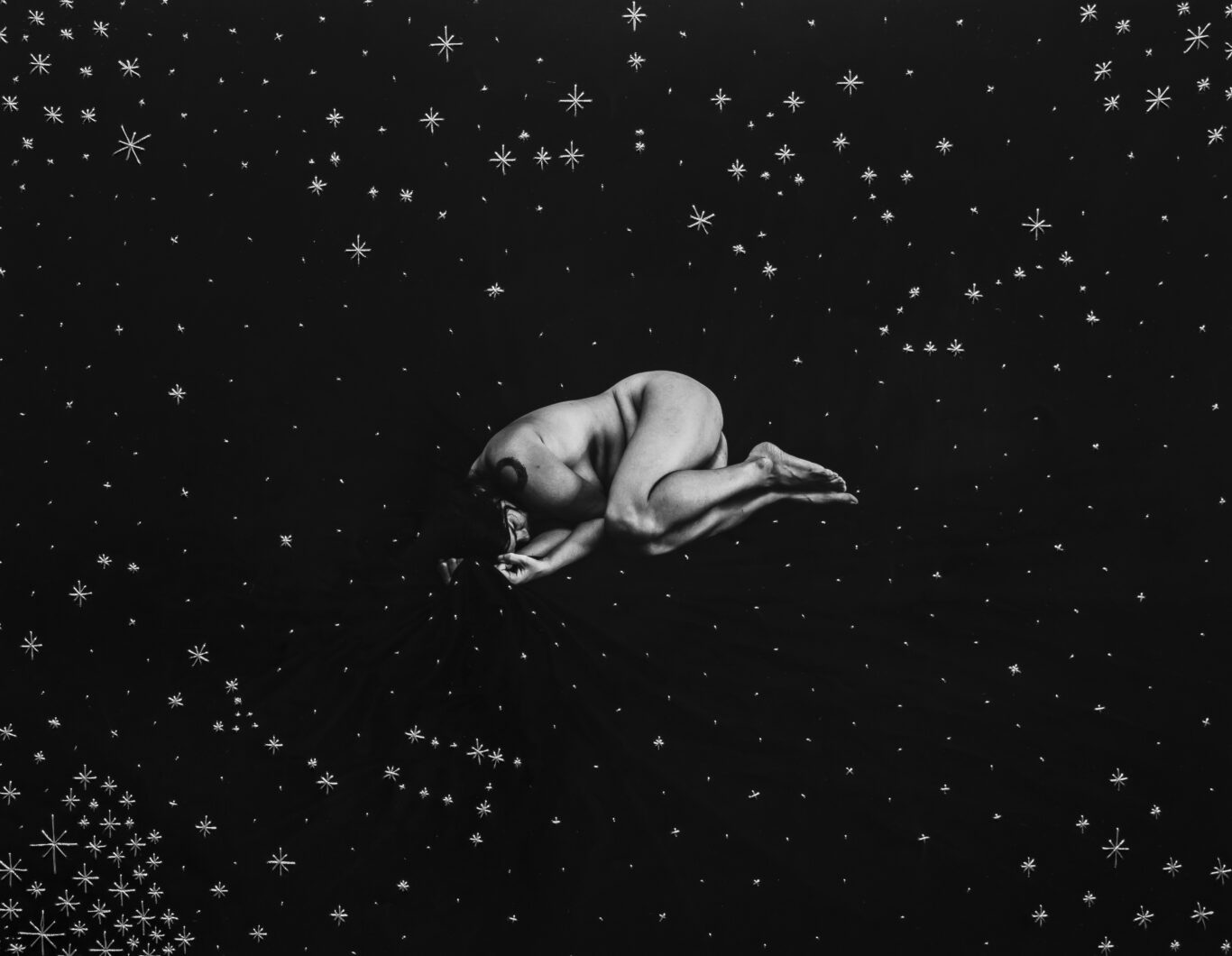
Work with photography and embroidery, two languages that are complemented. I take photos of my body and then board them, as if the thread could say what the image is not enough.
For me, embroider is an intimate, almost ritualistic gesture. A way to listen to what the body keeps silent.
Each stitch demands presence, rhythm, breathing. While boarding, I enter a state of attention deep, where time is diluted and the internal is revealed. It is a slow process, but meaningless; Every thread that crosses the image is also a way to get through myself.
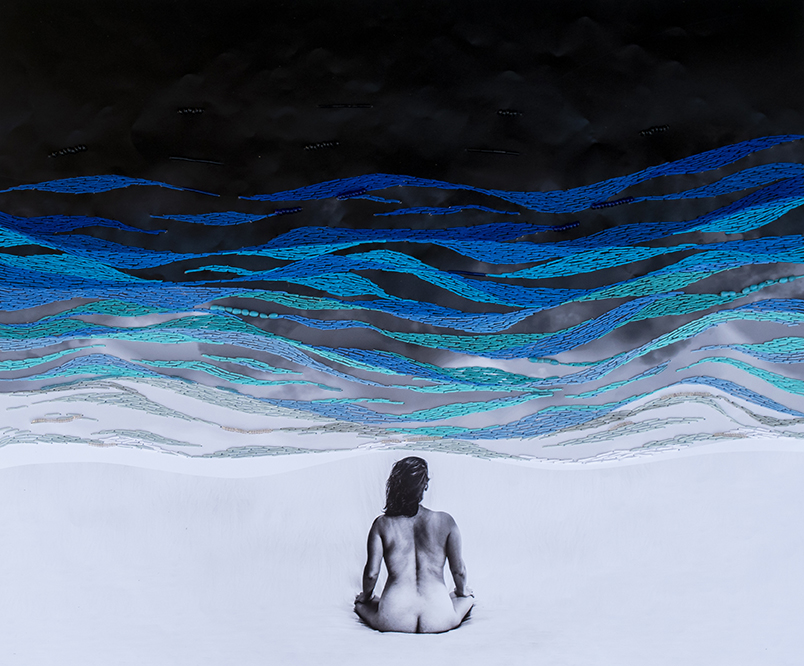
Embroidery is as important as photography in this series, because that is where the image becomes experience.
Showing me naked in these works is an act of vulnerability, but also of affirmation. He scares me, yes, but I also feel that, in doing so, I invite the viewer to look at his own body with respect, tenderly. To honor its history.
My first home Explore the idea that the human being is like a house. He has an outer part that shows the world and an interior, which keeps his soul. The body becomes the first space we inhabit, and through it I connect with issues such as intimacy, memory and uprooting.
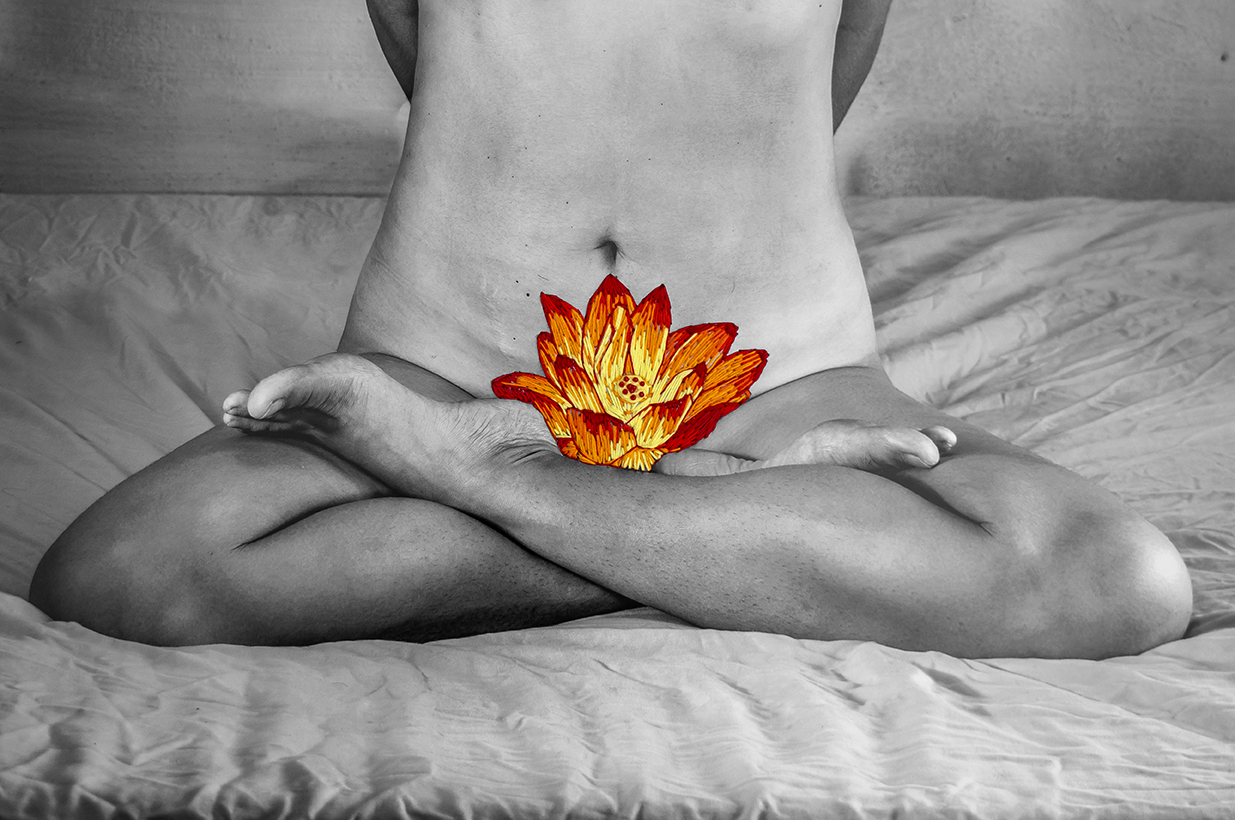
This series has given me the opportunity to heal my relationship with the body, understanding the home as a second skin, a place where touch becomes an extension of our existence.
My corporality is the place from where I perceive and think about space, and it is through this connection that I place in the world.
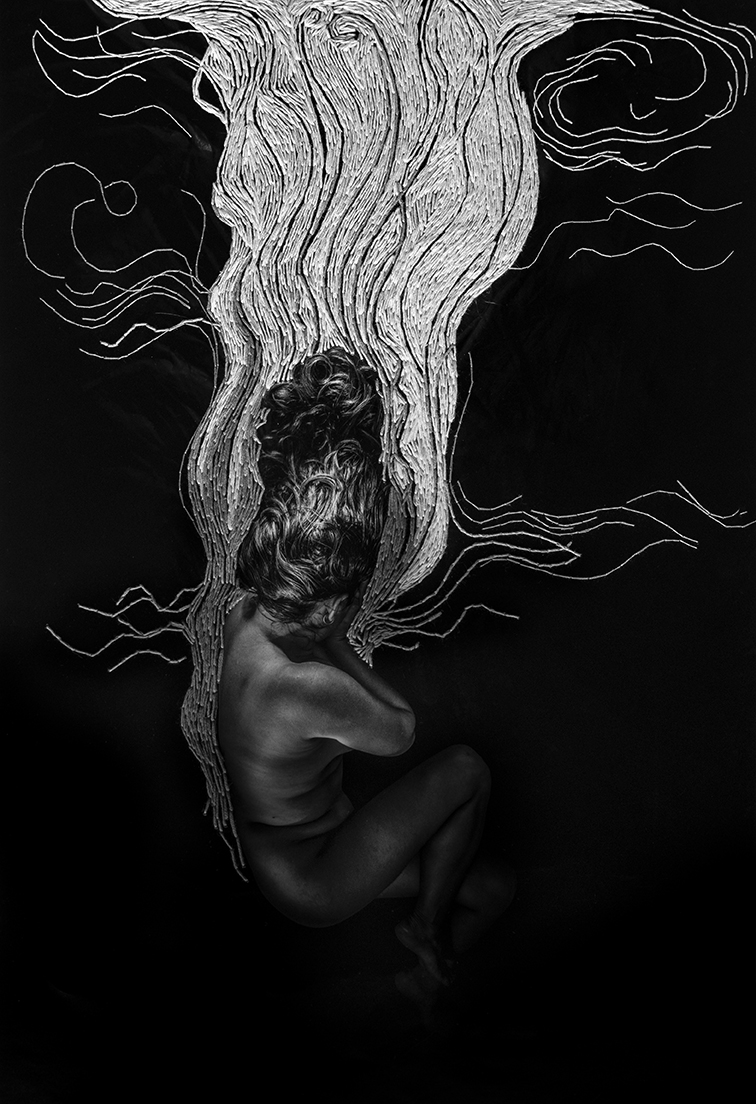
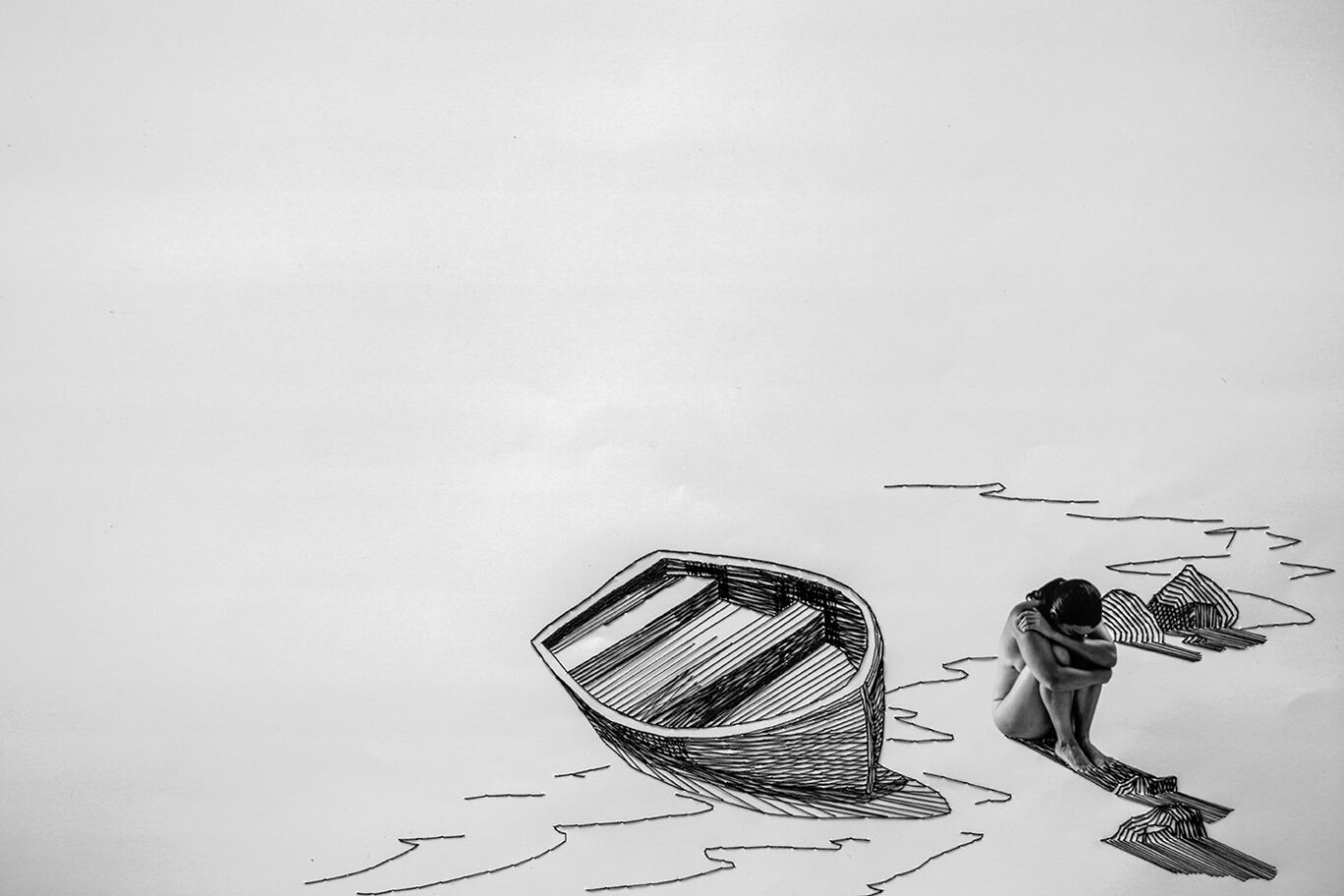
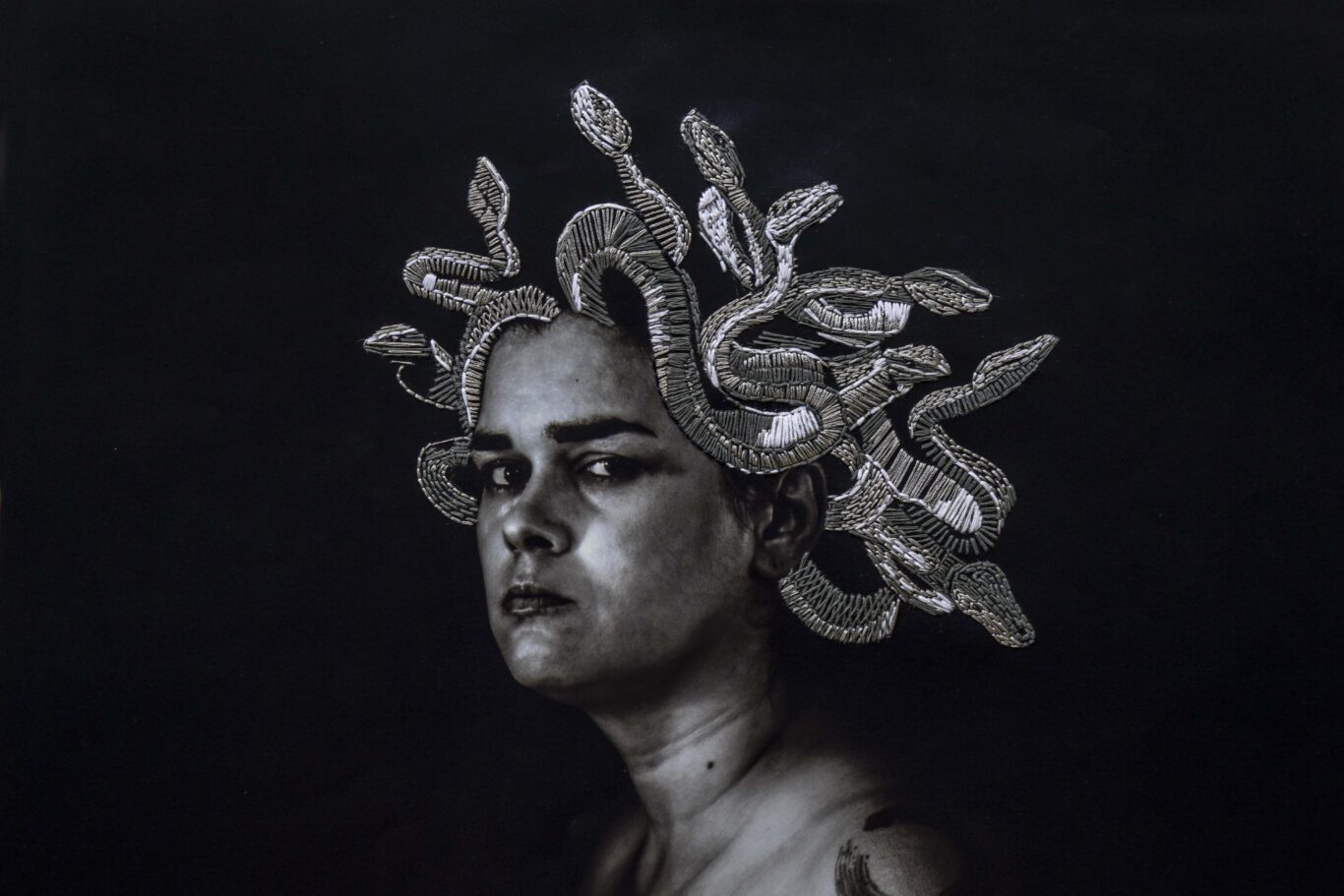
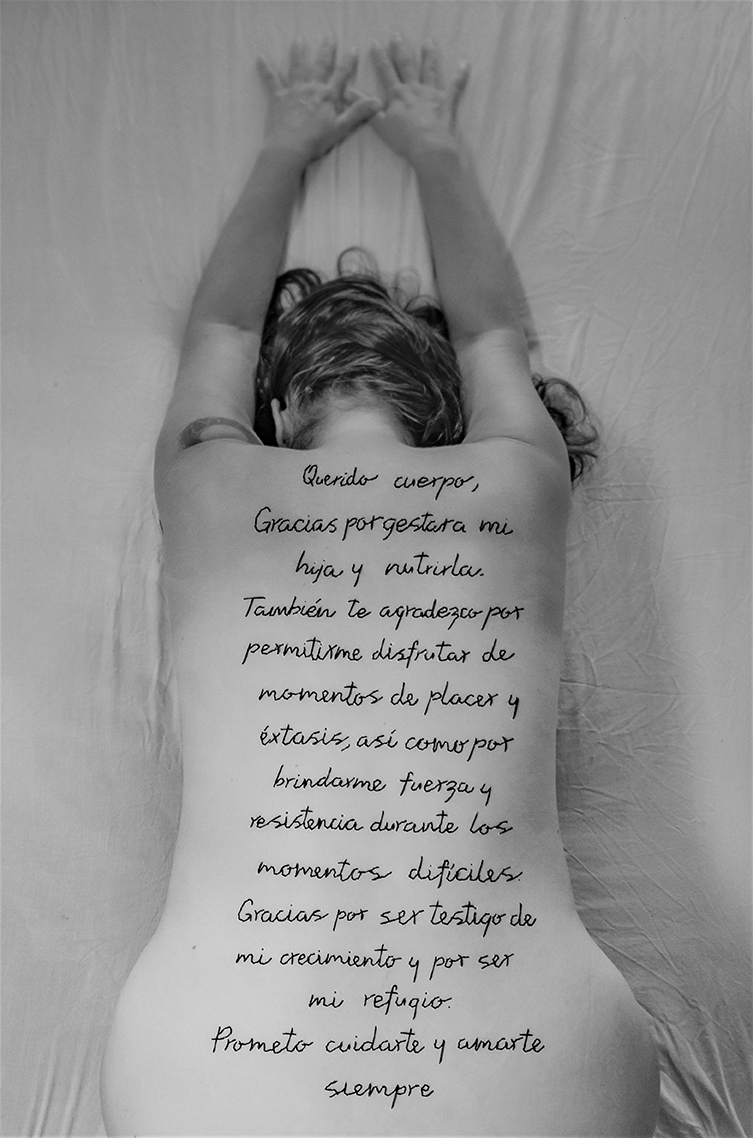
My first home It is an introspective trip. When representing vital facts, I have been able to “listen” to the body and connect with internal sensations.
My intention is to inspire others to heal their own relationship with their bodies and to find beauty in their personal stories.