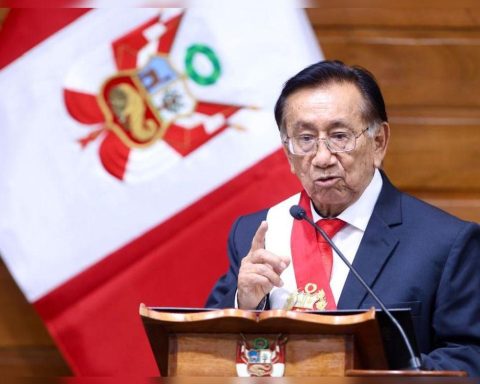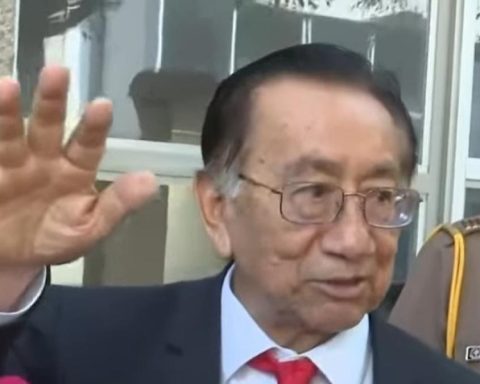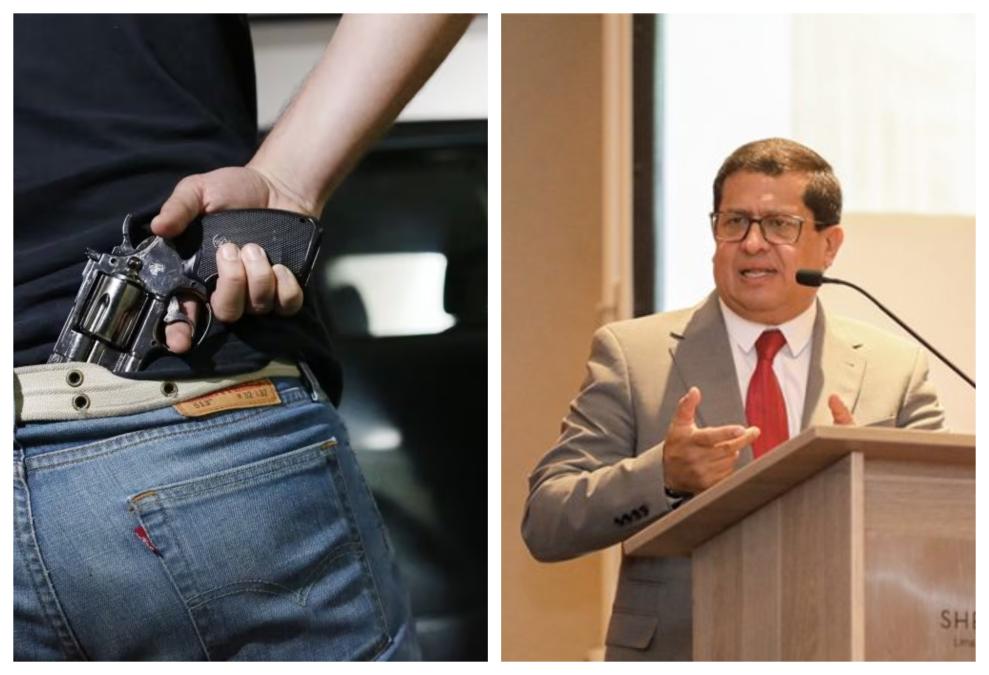
The expansion of the extortions is steadily weakening the financial situation of thousands of micro and small entrepreneurs and accelerating their exit from the formal financial system, warned Jorge Solís, former president of the Association of Municipal Savings Banks.
Winemakers, motorcycle taxi drivers and small merchants, he noted, are forced to allocate part of their income to paying quotas to protect their integrity and keep their businesses operational, which deteriorates their ability to meet their credit obligations.
Solís estimated that around 1.5 million of people today require a second financial opportunity after being excluded from the formal circuit due to the effects of crime and loss of income.
This exclusion, he added, increases their vulnerability and pushes them towards informal financing schemes, such as the so-called ‘gota a gota’, which maintains placements close to S/8,000 million in the market.
Proposal
Faced with this scenario, Solís raised the need to implement a rescue program either second chance financial system aimed at entrepreneurs who were satisfied clients and left the system due to factors external to their management.
The proposal contemplates the participation of the State through guarantee programsas well as regulatory adjustments that allow financial entities, especially microfinance institutions and municipal banks, to grant credit without implying an excessive burden of provisions.
As he explained, this type of mechanism would allow affected entrepreneurs to reintegrate into the formal system, reduce their exposure to informal credit and contribute to the recovery of economic activities hit by crime, complementing security efforts with a concrete financial response.
Criticism of SBS
On the other hand, in the context of the political interference in the municipal fundsSolís questioned the provision incorporated in the Debt Law that alters the designation of one of the directors of municipal funds.
He recalled that these boards are made up of seven members: three representatives of the municipality (majority and minority) and four from civil society, including a representative of Cofide, one of the clergy, one of the chamber of commerce of the province and one of the mypes unions. And with the new rule, the Ministry of Production (Produce) assumes the appointment of the director representing the mypes.
For Solís, this decision introduces a risk clear of political interference in an entity of a financial nature, since Produces It is not an organization specialized in finance or prudential regulation. He stressed that, if the objective was to strengthen the technical profile of the board, the role should fall to Cofide, the financial arm of the State, although this entity already has a representative in the governance structure of the savings banks.
In this context, Solís was especially critical of the Superintendency of Banking, Insurance and AFP (SBS). He noted that the regulator, under the leadership of its superintendent Sergio Espinosadid not question the scope of the provision and limited itself to abiding by and regulating the rule, without evaluating its effects on the governance and autonomy of the municipal funds.
The criticism intensified after Espinosa will equate publicly to Produce with Cofide during the presentation of the SBS Financial Stability Report, a comparison that, according to Solís, ignores the difference between a ministry of political leadership and a second-tier financial entity with a technical mandate.
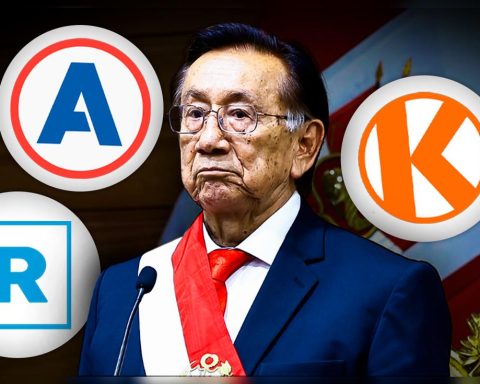
Jorge Solís is currently running for the Senate with Renovación Popular.
RECOMMENDED VIDEO