Santo Domingo.-The decision to extend the hours for the sale of alcoholic beverages During Christmas, it once again uncovers a claim that small businesses know all too well: inequality in the application of night rules.
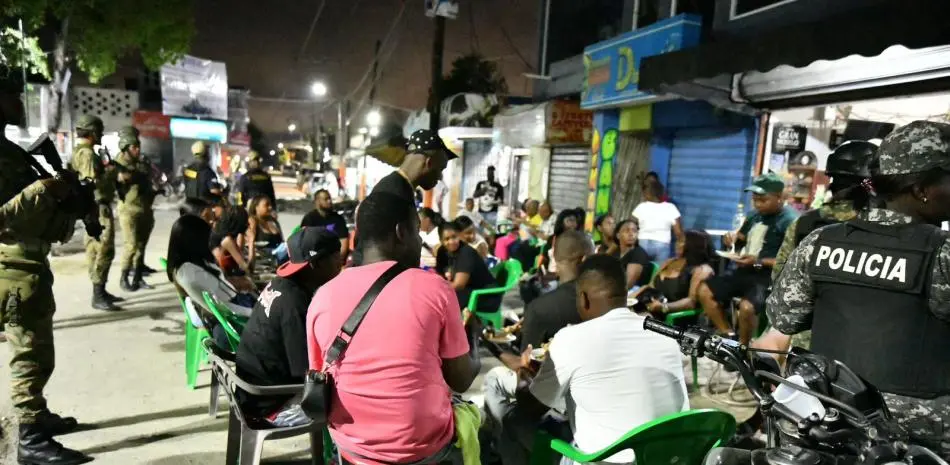
While bars, discos, clubs, restaurants and casinos will be able to operate until 3:00 and 4:00 in the morning, thousands of grocery stores, grocery stores, cafes, car washes and liquor stores must continue to close strictly at 12:00 at night, even during the most commercially active time of the year, such as Christmas.
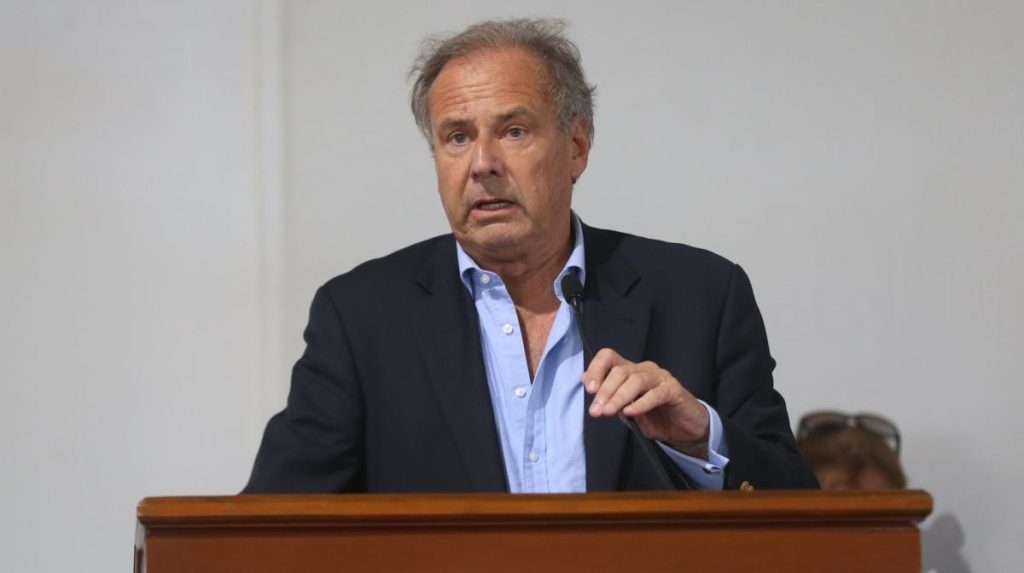
Resolution MIP-RR-0009-2025, announced by the Minister of the Interior and Police, Faride Rafulis seen by many as a decision that deepens commercial inequality in the middle of the high season.
For owners of grocery stores, liquor stores and neighborhood businesses, the measure reduces their competitiveness and limits their income in the most important month of the year for the sector.
You may also be interested in:
“There is no way to compete when they turn off us at 12 and give others until 4 in the morning,” he lamented. Luis Mendezowner of a grocery store in Villa Duarte, in Santo Domingo Este.
Extended hours for large nightclubs
The resolution, valid from December 10, 2025 to January 5, 2026, authorizes favored establishments to operate until 3:00 in the morning from Sunday to Thursday and until 4:00 on Fridays and Saturdays.
In addition, it eliminates the time limit during the early morning hours of December 25 and January 1, in accordance with the resolution in force since 2022.
Owners and employees consider it contradictory to allow the extended operation of businesses with greater economic capacity while restricting small ones, which also fulfill a social and commercial function in the neighborhoods.
Excluded businesses remain closed at midnight
The extension does not apply to grocery stores, grocery stores, cafeterias, car washes, mechanical parks, water parks or liquor stores, which must continue to close at 12:00 midnight, as dictated by Resolution ESP/001-2022. This difference has generated complaints among the excluded businesses.
“December is when we sell the most and they still leave us out. It seems that only the big ones count,” he said. Rosa Ramirezowner of a liquor store in the La Fe expansion.
Economic impact and calls for equality
The retail sector maintains that the measure hits its economy, limits nighttime activity in neighborhoods and creates unequal treatment between businesses that comply with the same tax obligations.
They also ensure that many of these establishments function as safe and accessible meeting points for the communities.
While the Interior and Police argue that the differentiation responds to operational and prevention criteria, merchants insist that security should not become a selective filter.
Its central claim remains clear: equality of conditions in the season that defines the economic close of the year.