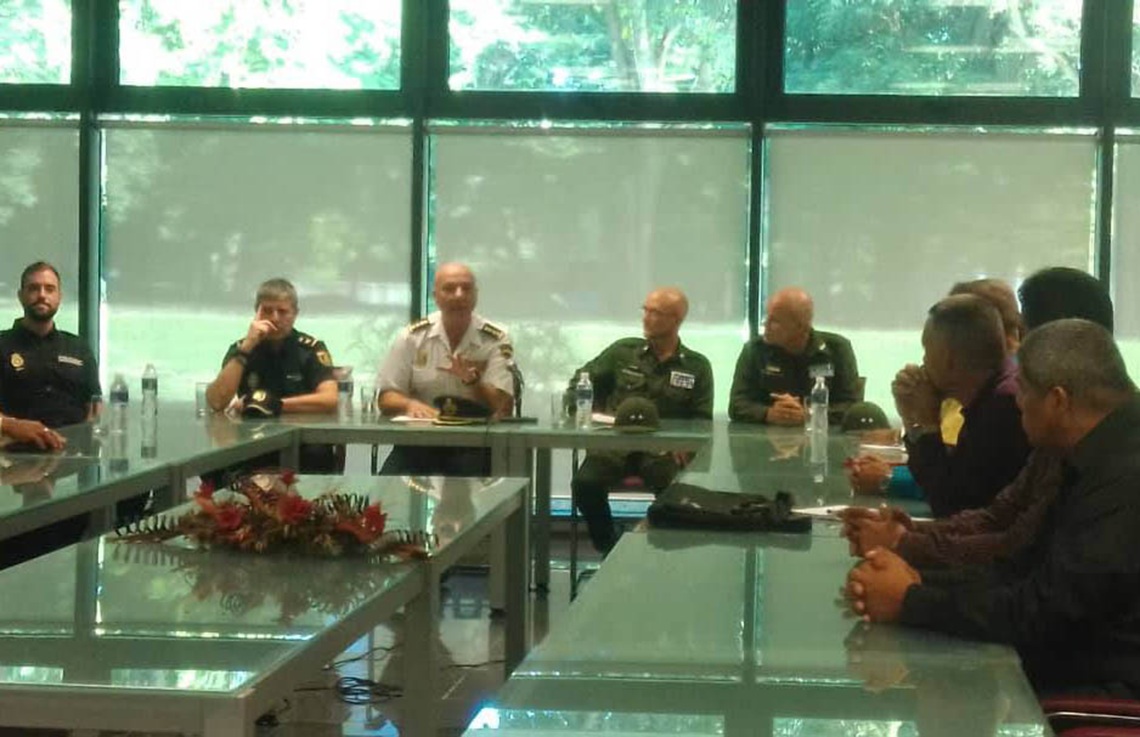
Members of the Spanish Police impart this week in Havana an international course against illicit traffic of Drugswhich promotes cooperation and advanced techniques in that branch.
The course, organized by the Interior Ministry of the Island, enables specialized forces in research techniques to combat illicit cocaine, heroin, cannabis, synthetic drugs and chemical precursors, in addition to addressing money bleaching, Point out the Cuban News Agency.
The event underlines the priority of the Cuban government in the preparation of its forces. It also stands out the importance of sharing information and good practices to face this worldwide threat.
The Minint reported that Cuba maintains 43 bilateral anti -drug agreements, real -time operational cooperation with 37 countries and 56 judicial assistance agreements, strengthening international exchange.
At the end of last August, the Popular Supreme Court approved Opinion 476, a legislative change that seeks to face the significant increase in the consumption and trafficking of synthetic cannabinoids, popularly known as “the chemist” or the “piece of paper.”
The regulations established new rules to judge crimes related to this drug, which is more powerful, toxic and harmful than others such as marijuana and cocaine.
The penalties for aggravated traffic go from 10 to 30 years in prison, perpetual deprivation of liberty and even the death penalty, while for illegal possession imprisonment of one to three years or fines up to 300 thousand installments are applied.
Cuban accused of drug trafficking condemn 15 years in prison
The Cuban government, which has reiterated its “zero tolerance” policy to this scourge, has been organizing National Exercises and territorial, which include police operations, exemplary judgments and educational and preventive actions in schools and communities.
In addition, the National Drug Observatory, an institution that seeks to consolidate surveillance, prevention and research on this issue.
The drug use in Cuba has increased visibly, especially among the young and adolescent population, and comes to join the list of social problems accumulated by Cuban society in the midst of the deep economic crisis that the country is going through today.