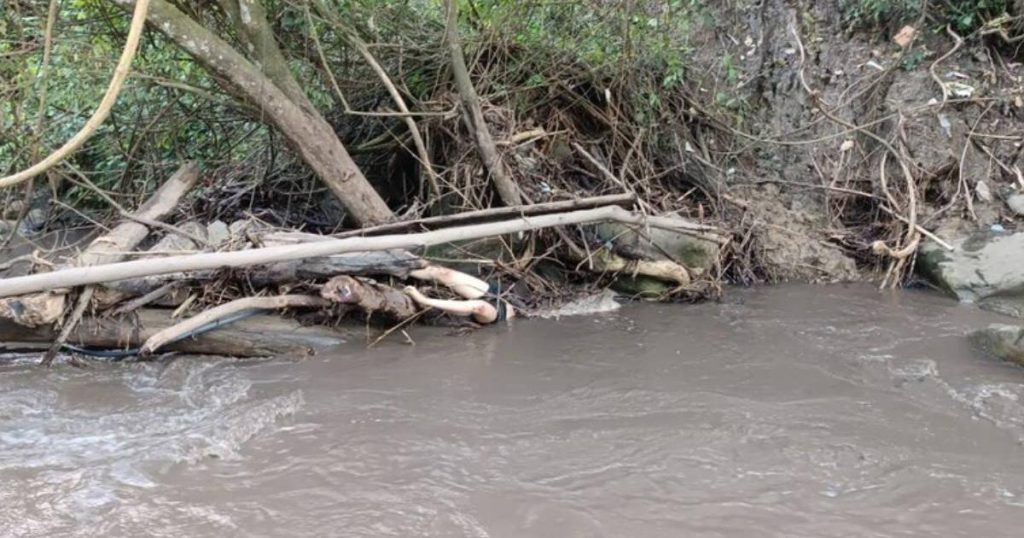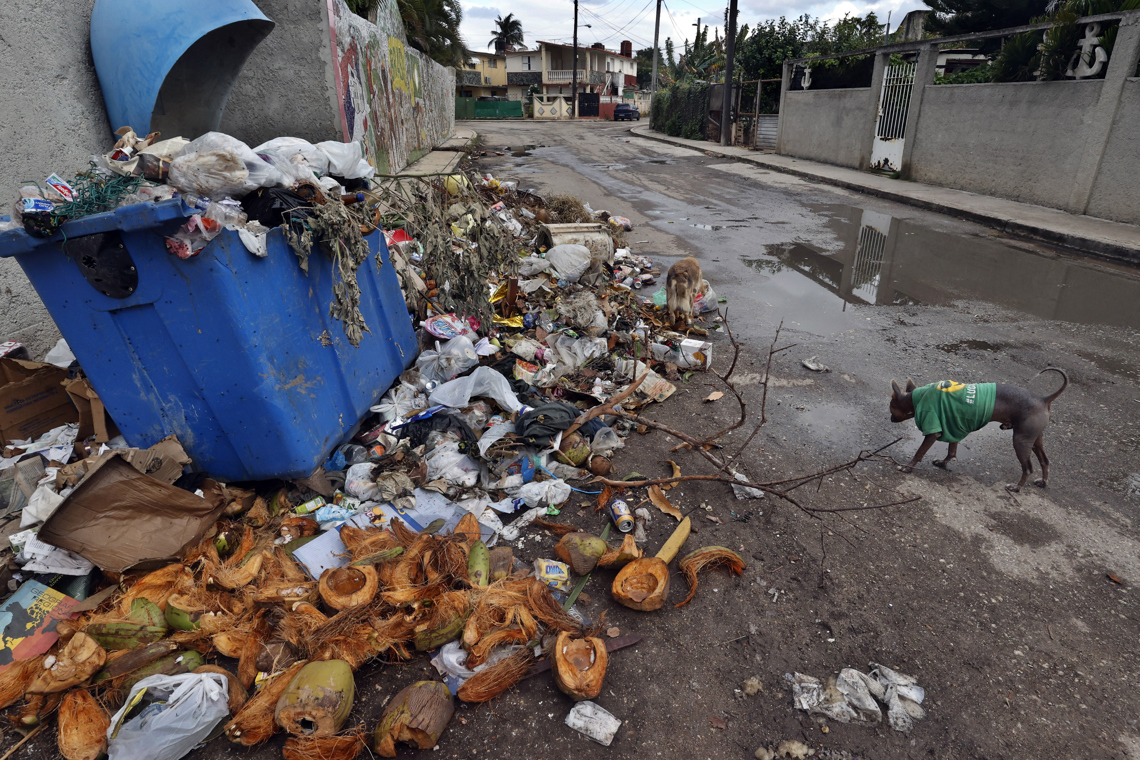
Cuba registered an average of 700 new daily cases of chikungunya in October, the vast majority in the provinces of Havana and neighboring Matanzas, informed this Tuesday EFE sources from the Pan American Health Organization (PAHO).
The information, provided in writing, comes just a week after the Cuban Government recognized an epidemic of chikungunya, dengue and oropouche in the country, with an “acute” epidemiological situation, although without providing hardly any figures.
According to data collected by the section for the Americas of the World Health Organization (WHO), the island identified 15,590 cases of chikungunya between October 11 and November 1 and accumulated 20,062 in the first ten months of the year, although the estimate of the Cuban authorities themselves and the population is much higher.
With this total figure, the accumulated incidence of chikungunya in Cuba is 183.43 cases per 100 thousand inhabitants, the highest in all of the Americas this year, above Brazil (112.07) and the averages for the Caribbean (43.53) and the entire continent (26.00).
PAHO warned, based on the “epidemiological analysis and risk stratification” carried out by the Ministry of Public Health (Minsap) of Cuba, that the provinces of Havana, Matanzas and Cienfuegos “remain at very high risk of infection.”
It also adds that “the highest proportion of cases is registered in the age group of 19 to 54 years; that is, in active working age, with the consequent absenteeism from work as a result of the disabling pain caused by the disease.”
A third of the Cuban population has been infected with arbovirus, according to authorities
Dengue and oropouche
Dengue numbers have also skyrocketed this year, according to data provided by PAHO. Between January and September, 9,602 cases were officially reported (with 115 serious cases and three deaths), almost ten times more than the 985 reported for the same period of the previous year (10 serious cases and no deaths).
PAHO highlighted at this point that, as in 2024, this year “the circulation of serotypes 2, 3 and 4” of dengue has been detected, which “may have led to an increase in serious cases due to successive infections with the different serotypes.”
The incidence of dengue in Cuba is 87.79 cases per 100 thousand inhabitants, a rate below the Central American average (114.85), the Andean region (183.23) and the southern cone (1,262.23), but above the Latin Caribbean (54.59).
Regarding oropouche, PAHO is aware of 29,040 cases in the “epidemic” that it registered between the second half of 2024 and the first months of 2025, of which 123 presented “neurological complications.”
Four out of every five cases of the oropouche outbreak were identified in 2024, when Cuba ranked as the country in the Americas with the most cases in absolute terms (24,259)—ahead of Brazil (13,856) and Peru (1,324)—and relative terms (214.36 infections per 100,000 inhabitants).
In 2025, Cuba also has the highest incidence rate of oropouche in the Americas, with 36.40 cases per 100 thousand inhabitants, well above Panama (14.36) or Brazil (5.60).