The relationship that the government of Venezuela has with the Red Command (CV) of Rio de Janeiro, through the Tren de Aragua and the Cartel of the Suns, can be described as a structural complicity or active tolerance that allows their actions, as business partners, on the one hand, as facilitators, being part of state institutions, and as a solid source of money laundering through those same institutions and state companies, especially PDVSA.
They are the necessary partner of both them and any equivalent organization operating in the region, such as the FARC, the ELN, the Sinaloa cartel and Hezbollah, all functioning as satellites around the “mothership” of the Venezuelan state.
If we started with the Cartel of the Suns (the direct link to the government), we would come to the conclusion that it is not a traditional drug cartel like the Mexican ones, but a criminal network made up of high-ranking members of the armed forces and Venezuelan Chavista politicians; whose name comes, precisely, from the suns on the insignia of the Venezuelan generals.
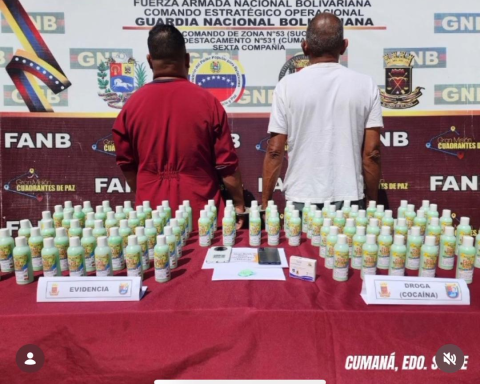
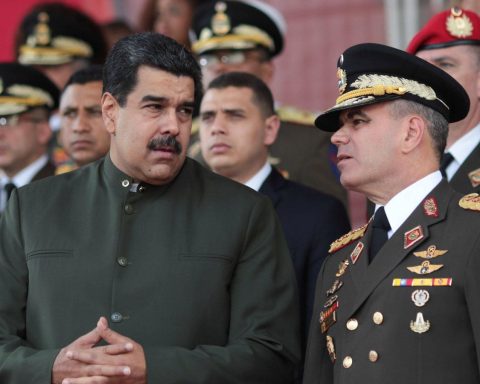
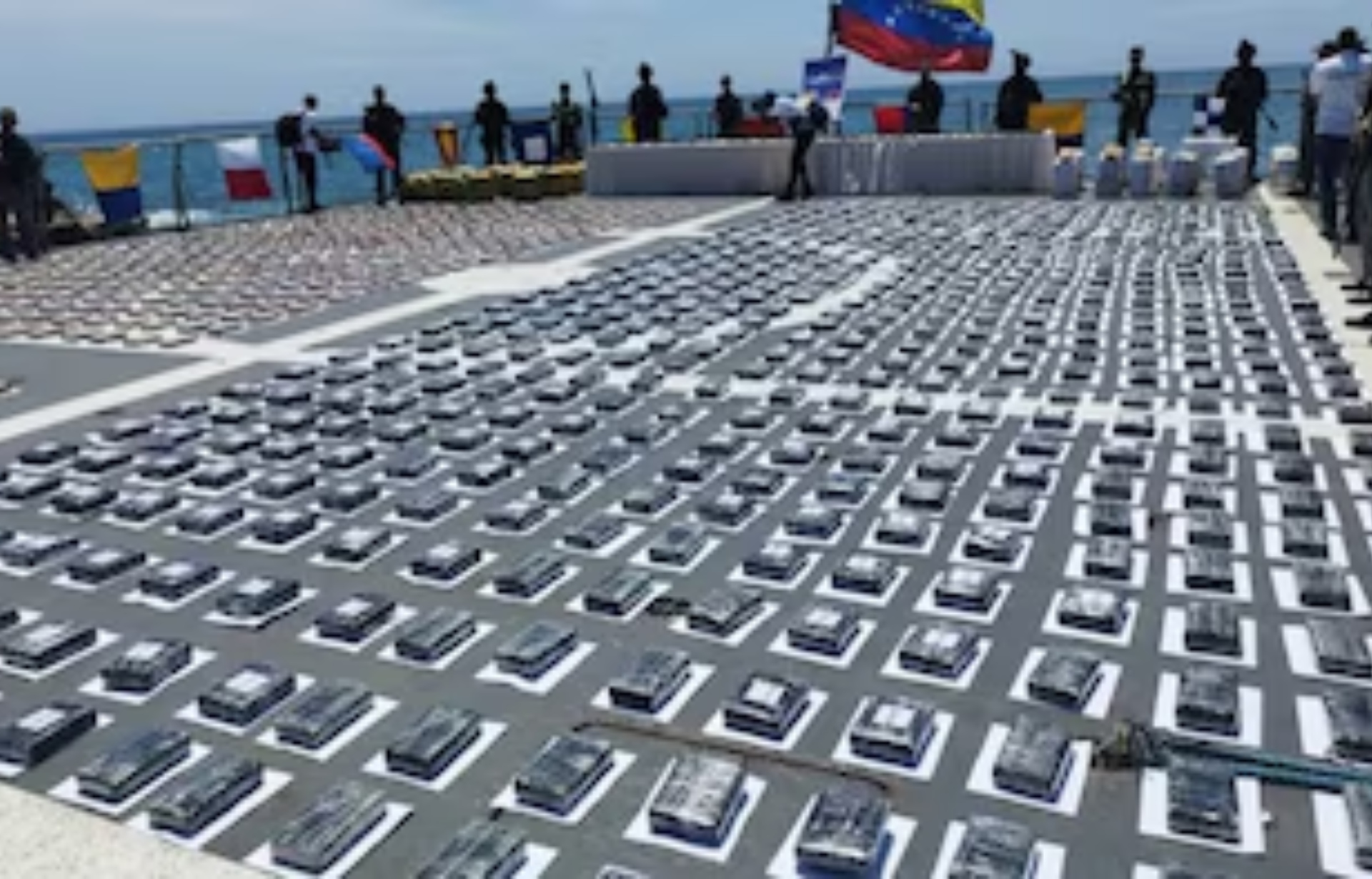
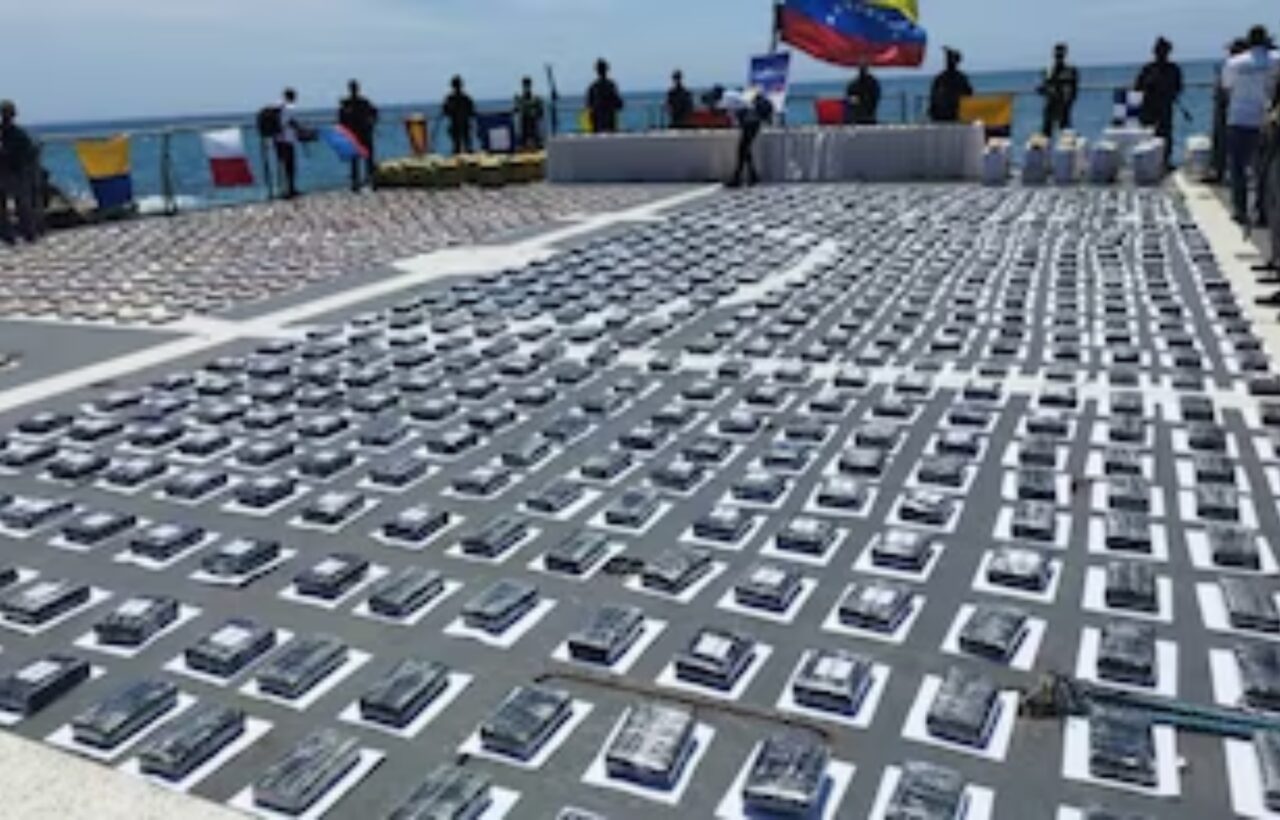
Where their role is to use their position in the state to facilitate drug trafficking, offering protection, turning off radars, controlling ports and borders, and allowing the transit of cocaine and fentanyl coming mainly from Colombia, because they are the most direct link, but also from their own fields, laboratories and warehouses. The United States and other countries have formally accused Nicolás Maduro and his closest officials of leading this structure that uses the state apparatus for drug trafficking.
The other local export actor is the one mentioned above, Tren de Aragua, which operates as the transnational arm, which is a mega criminal gang that was born in the Tocorón prison (Venezuela) and has expanded transnationally (USA, Colombia, Peru, Chile, Argentina, Brazil), mimicking and taking advantage of the Venezuelan migratory exodus.
It specializes in extortion, kidnapping, human trafficking and hitmen, operating under the franchise scheme associated with the most savage gangs in each country (for example, the CV in Brazil), providing as a distinctive mark of its participation, the extreme violence and quasi-military organization with which they operate (for example, beheadings).
Its initial growth within Venezuela was only possible thanks to the impetus that the Chávez government, through its prison system, gave it to operate as shock groups that could replace the infamous Bolivarian circles, who lost strength after the death of Lina Ron, their leader and chief of operations. Reports indicate that the gang operated from the aforementioned Tocorón prison as its command base with the complicity and tolerance of the State; the national one, and that of the governorate of the state of Aragua. In addition, there are reports indicating that the Aragua Train has sometimes acted in conjunction with state agents on the border.
The other leg of this story, although not the only one, but one more like the aforementioned FARC, ELN, Sinaloa Cartel and Hezbollah, is the Comando Vermelho (CV), operating as one of the regional partners; which acquired relevance these days, because, although he acted with the tolerance of the national government of Brazil, due to his relations with Lula’s government party, he did not get the governor of the State of Rio de Janeiro to support him. On the contrary, he attacked them with the full force of the law, aligning himself with Trump in his fight against narco-terrorism, and against Lula’s wishes. By the way, as a colorful note, this attack on the CV occurred at the same time that Lula met with Trump in Kuala Lumpur, capital of Malaysia on the sidelines of the ASEAN (Association of Southeast Asian Nations) summit.
It is worth mentioning that the CV is one of the largest and oldest criminal organizations in Brazil, based in Rio de Janeiro, and is mainly dedicated to drug trafficking, arms trafficking and territorial control. And, both they and other Brazilian organizations (such as the PCC) maintain alliances or operational relationships with Venezuelan and Colombian criminal networks to traffic drugs and weapons through the porous border between Venezuela and Brazil.
Although the Tren de Aragua and the CV have had disputes, they have also explored alliances on the drug trafficking route, indirectly benefiting from the lax or corrupt territorial control exercised by the Cartel of the Suns.
And to summarize and put the three criminal and terrorist organizations in the same scenario, the Cartel of the Suns is the network that uses state power for drug trafficking; The Aragua Train is the violent gang that the Venezuelan state promoted and that became transnational; and the Vermelho Command is the Brazilian regional partner that benefits from the drug and weapons routes that circulate through Venezuela.
For this reason, the new government of Edmundo and María Corina must intensify the documentation and international denunciation of complicities between Chavismo and criminal networks as a method of diplomatic and commercial pressure. It should also prepare community self-protection protocols for scenarios of military escalation or institutional breakdown, with neighborhood networks of civil support and secure communication; and promote the articulation of international alliances for an instant humanitarian aid plan, for the first days of the post-regime, prioritizing food, medicine and basic electrical restoration.
That is why the presence within the borders of Venezuela of some international force may be necessary to maintain order and citizen security, until it is clear that the new government’s own military and police forces are not infiltrated nor will they attempt to stage a coup or attack the integrity of the new authorities.
With the information from this last week, and after Trump’s meetings with Lula and Xi, from Brazil and China, respectively, with the clearer outlook, the three scenarios that we are using to characterize and monitor the situation in Venezuela can be reviewed and updated, which have had some changes:
- Optimistic with democratic transition: Chavismo gives way without damage, facilitating a rapid and orderly transition with international support, especially from the United States. Its probability continues to decrease dramatically due to the tough position that Chavismo assumed, without even publicly considering the possibility of handing over power. It is possible that military attacks will come before any handover exercise, so this scenario is below 40%. Although, at the last minute, and after the military offensive has begun, be it bombing or ground raids, there is the possibility of achieving a quick surrender that avoids unnecessary collateral damage. We must not forget that no negotiation of this scenario contemplates a golden exile, but rather submission to trial in the United States.
- Innocuous of political stagnation (current): Chavismo continues to resist day by day, losing sustainability, but maintaining power by force, with an agonizing survival, which moves in the media and communication field; and that has incorporated the message of conventional armed response with missiles and anti-aircraft defenses. There is no doubt that this scenario remains valid because, whatever they say, and whatever they threaten from the US, they continue to be in power and exercising it with force and savagery; increasingly alone and without a solution of continuity. Because as long as the bulk of the offensive remains in the communication and information field, Chavismo will remain in this scenario. Just a break from status quo With concrete actions, you could make this scenario migrate either towards the Optimistic scenario if you surrender, or towards the Pessimistic scenario if you decide to resist.
The question that remains is: how much longer will this scenario continue? Because it is the scene of uncertainty, inaction… and fear in the population
- Pessimistic by conflict or intervention: With escalation of violence and forced rupture to remove Chavismo. The probability of this scenario continues to increase and now greatly exceeds 60% since the 10 boats sunk with more than 40 casualties, the approval by the US Congress of the attacks, and the order from POTUS to the chief admiral of the Task Force to proceed when he deems it militarily convenient; in addition to the order for the deployment of the CIA in Venezuelan territory with instructions for the use of lethal force. Now we must incorporate what I have called the “Petro effect”, which was not in the picture. That led the Americans to review the plans and incorporate a larger military force with the announced change of course of the aircraft carrier Gerald Ford towards the Caribbean, whose presence indicates the expansion of the conflict, as well as the depth and increase of the damage they could inflict. Because now, together with Petro, they are being perceived as an alliance, with a considerable Colombian-Venezuelan force, of more than 10 thousand men, from both armies, concentrated on the border where the main crops and laboratories of both sides are located, plus the support of the FARC and the ELN. So, it is possible that we will face a conflict of greater scope and depth, where the change of government in Venezuela is incidental, and the focus is regional and against narco-terrorism. What happened in Rio de Janeiro could be just a sample of what an incursion into Venezuela would be like chasing the bad guys
And as I always comment, the option that any analyst must always consider is that Chavismo “stay and don’t come out“; but everything indicates that probabilistically it is very, very low… Because it is the Harmless scenario continuing indefinitely, which no longer seems possible.
Recommendations
- For the Chavista government (output): That they seriously reconsider the approach of resisting in the way they are proposing it, because in reality that attack force from which they call the people to defend themselves, does not come from the people, but comes from the rulers who have co-opted the government; and for having behaved in a reprehensible manner (to say the least) in the exercise of the noble task of governing that they bastardized and turned into a criminal organization… which is the one they want to exterminate, precisely to save the institutions and return power to the people. That it was taken from them on 28J24 when Edmundo and María Corina massively obtained the favor of the people
- For the elected government (led by Machado and González):
- Activate open digital forums to receive innovative ideas from the Venezuelan diaspora
- Assign mobile express repair teams to restore water and sanitation services in priority hospitals
- Invite young international professionals to an intensive exchange program to accelerate public modernization
- For honest and hardworking businessmen (I will no longer waste time with the leadership co-opted by Chavismo):
- Organize express job fairs in returning communities, focused on digital and sustainable skills
- Start collective microfinancing campaigns for neighborhood ventures with immediate social impact
- Develop rapid alliances with local universities for innovation in low-cost essential products.
Contacts:
Instagram: @benjamintripier
Twitter: @btripier