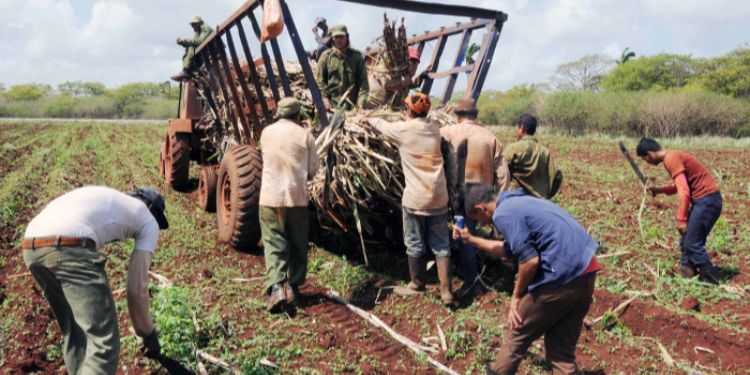
The development of this 2025-2026 harvest will determine the supply of sugar for the basic regulated basket of Cubans.
LIMA, Peru – The start of the 2025-2026 sugar harvest in Villa Clara at the “Quintín Bandera” sugar mill in Corralillo was postponed to a new date due to “the energy situation” existing in Cuba.
a report from the state broadcaster CMHW points out that another of the main causes for the change in the schedule are resource problems to ensure the completion of the preparation work at the industrial plant.
Due to the above, grinding was postponed to the 26th of the same month, in the case of the “Quintín Bandera” central refinery, while the “Héctor Rodríguez” refinery was moved to the end of the first decade of January 2026.
The director of the mill in Corralillo, Onel Pérez González, stressed that this delay is fundamentally due to “the current energy situation and lack of some essential resources.”
Once the campaign has started, the industrial plant aims to produce more than 11,000 tons of sugar in the 78 days of grinding.
“The performance of this 2025-2026 harvest will not only determine the supply for the regulated basic basket, but will also serve as a key thermometer of the province’s capacity to advance the sustainability of the sector,” highlights the station.
Rise and fall of the sugar industry in Cuba
The first boom of the Cuban sugar industry It dates back to the 18th century, when the economic function of the Island was defined with respect to other colonies on the continent.
In the middle of the 19th century, after the arrival of the railroad in 1837 and the construction of new commercial ports for loading and unloading, a period of prosperity began for the sugar sector that turned the country into the world’s largest producer in this area.
During the first two decades of the 20th century, large sugar colossi were built, authentic towns that changed the appearance of the traditional Cuban batey in “model towns” such as Hershey (Havana), Joronú (Camagüey), Chaparra and Preston (Oriente) with a new architectural and urban conception, as well as exemplary infrastructures.
With ups and downs during the three decades that followed the Great Depression of the 1930s, the Cuban sugar industry continued to develop and constituted an undeniable source of sustenance not only for Cubans, but for emigrants (Haitians and Jamaicans mainly) who came to the Island as braceros during the harvest.
This economic heritage suffered the first great onslaught and decline starting in 1960 with the nationalization of the first North American capital plants, followed by all the rest of the country.
The gigantic failure of the so-called “Ten Million Harvest” (1970) already announced a decadent and irrecoverable sugar economy. The fall of the Berlin Wall (1989) and the end of Soviet assistance dealt the final blow to the largest national industry.
With the so-called “Álvaro Reynoso” task, which sought to “reorganize” the sugar sector since the Special Period began, most of the country’s sugar mills were deactivated, leaving after their dismantling the vivid picture of ruin and desolation that we can see today in the fields of Cuba.