The energy crisis in Cuba shows no signs of subsiding. The same problems are repeated over and over again, while the majority of the population remains in the dark for much of the day.
What happened this Saturday is an obvious example of the constant interruptions and problems with electricity generation on the island.
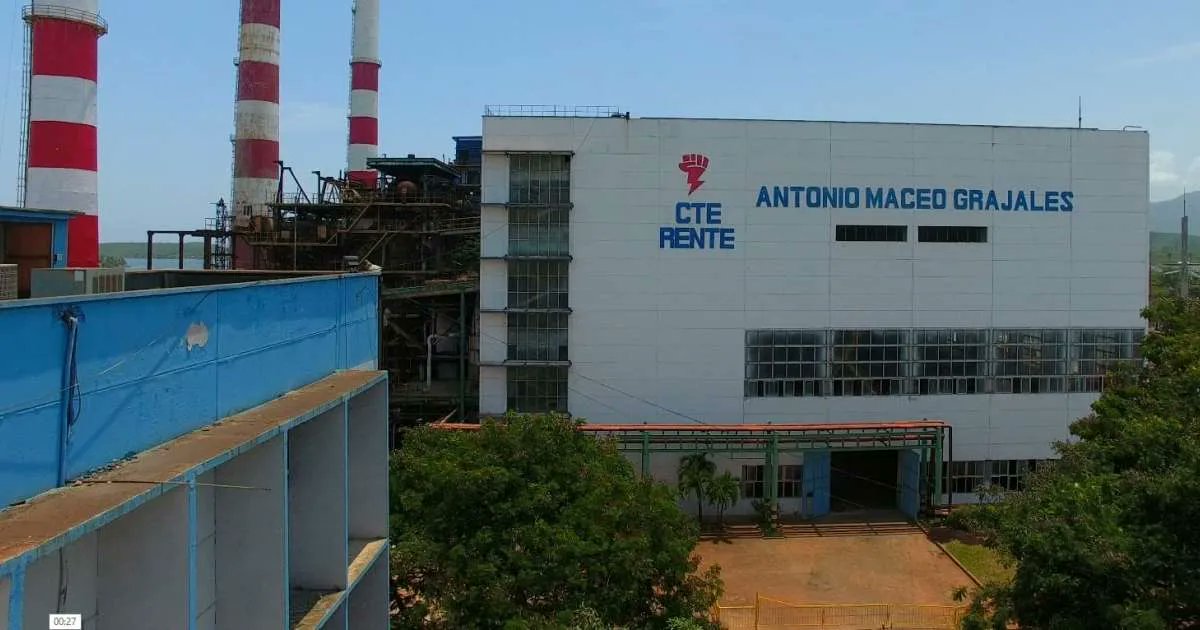
During that day, in which the maximum impact amounted to 1,733 MW, Felton unit 1 was disconnected and reconnected; Meanwhile, the three units of the Renté thermoelectric plant in Santiago de Cuba were also disconnected.
Felton 1, one of the country’s main blocks next to Guiteras, had gone out of operation in the morning “due to high temperature in the bearing”, which further set off the alarms in a country overwhelmed by blackouts. Fortunately, in the afternoon it was reconnected.
However, his return was marred by the successive departures throughout the day of Renté’s three units, including 5, which had just been connected in the morning, according to what was reported by the Electrical Union (UNE).
Thus, Cubans had a Saturday with a greater impact than initially expected and blackouts due to generation deficits that lasted throughout the early morning.
Low availability Sunday
With several plants out of service, a high thermal limitation and almost a hundred distributed generation plants without fuel, availability will barely be around 1,500 MW this Sunday and will once again be below the predicted impact.
Although Renté 5 synced earlier todaythe other two blocks of the Santiago thermoelectric plant will continue to be turned off during the day. Meanwhile, the units in maintenance continue without returning and for today only the entry of unit 1 of Energas Varadero with 30 MW is expected.
As if that were not enough, more than 500 MW will be lost due to limitations of the blocks in operation and more than 800 MW will stop being generated due to lack of fuel and lubricants.
With this, availability should barely rise to 1,535 MW at the nighttime peak, according to UNE forecasts, while the maximum impact will be 1,735 MW at that time.
However, if another breakdown occurs or the estimated demand increases (3,200 MW), the deficit could once again exceed the forecast and the blackouts could spread even further throughout the island.