The prolonged one energy crisis that Cuba suffers He has worsened again in recent days.
The breakdowns and the fuel deficit continue to seriously impact the generation capacity and drop the electrical availability on the island.
Yesterday, the maximum affectation once again exceeded the official forecast, which was already very high. In short, the MW affected in the night peak were not 1890, but 1961, according to reported by the electric union (UNE).
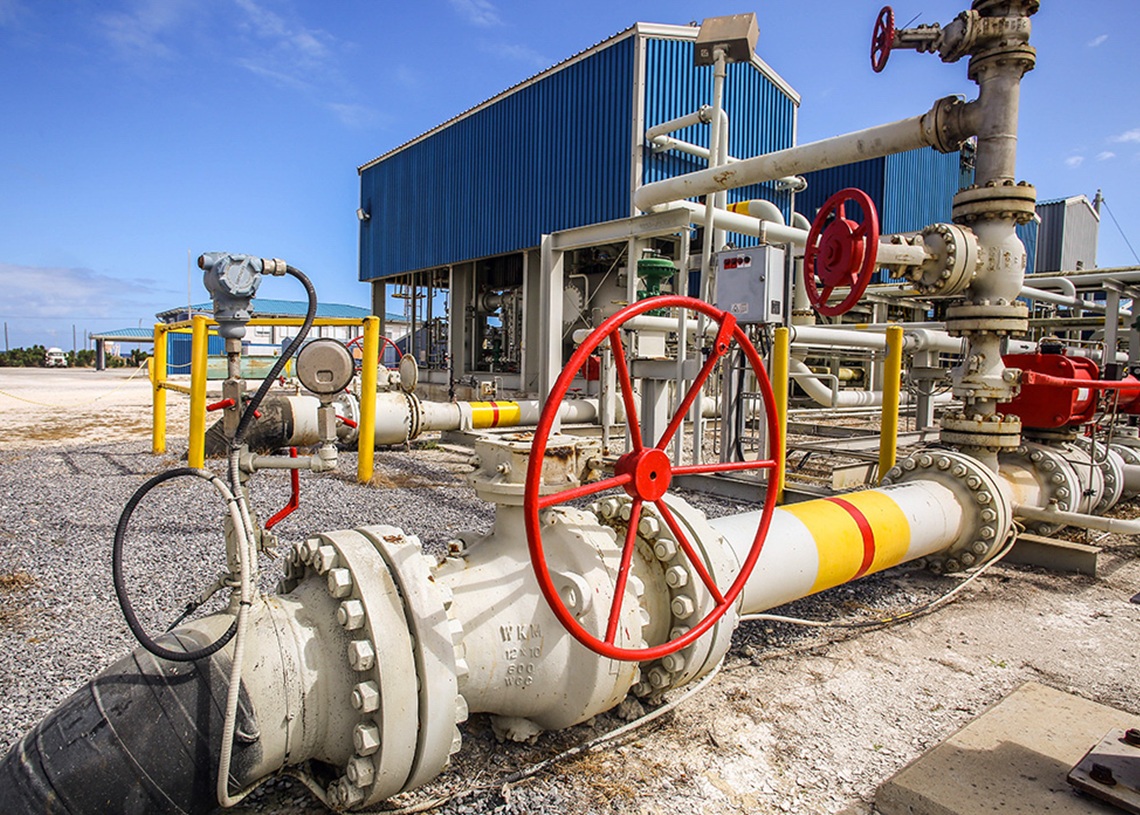
This was due, according to the entity, to “the loss of 150 MW in Energás Jaruco due to gas valve failure.”
This rupture joins those already existing in the Cuban thermal units, seven of which were disconnected on Monday, including the three of the recentic thermoelectric plant, Santiago de Cuba.
With damaged thermoelectric and fuel deficit, September begins with the rise blackouts
Availability in minced
The breaks are also joined by the effects due to lack of fuel, despite the contribution made by the photovoltaic parks during the daytime schedule. Yesterday, these facilities produced 2753 MWh, with 556 MW as maximum power delivered at the average schedule.
Even so, this morning the availability was barely 1669 MW, while the affectation already ascended to 1417 MW. By noon, the deficit will remain in a similar range (1400 MW).
The scenario is further complicated in the night peak, by the time UNE projects an increase in generation to 1844 MW. In spite of this, the affectation will be greater than the availability and will be around 2000 MW.
It is a barrier that was already overwhelmed in a previous peak of blackouts and that now the country approaches dangerously.
In short, the official estimate raises the maximum affectation at night until 1976 MW, even higher than yesterday, which will result in simultaneous electricity cuts in more than half of the country at that time and the possibility of increasing if another problem occurs.