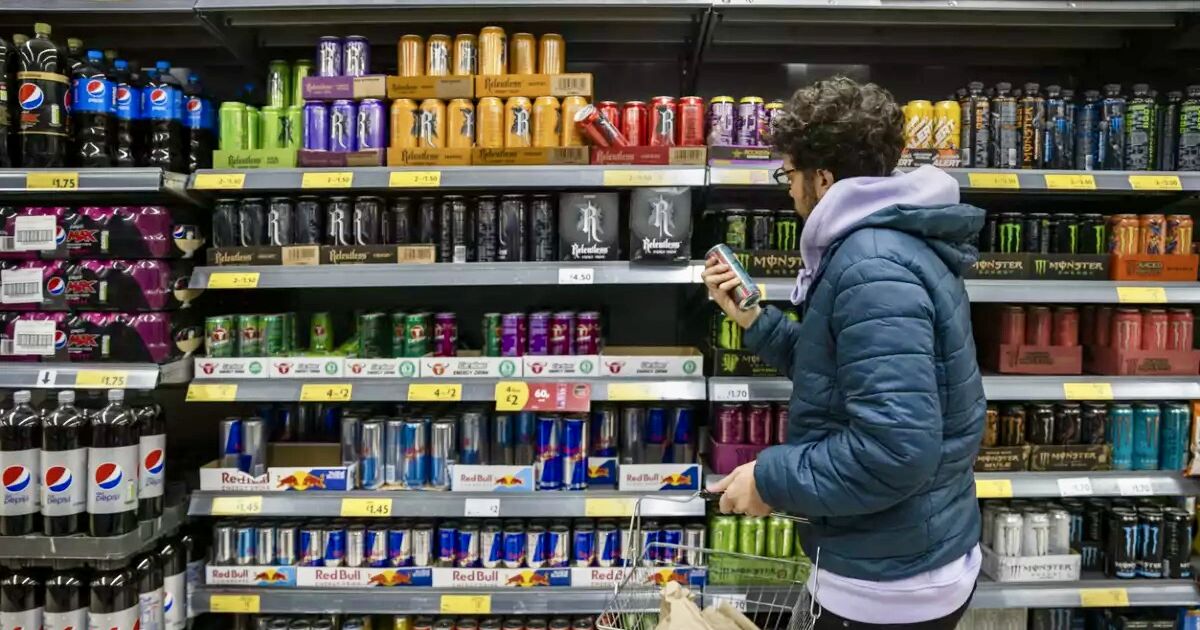
The energetizing drinks tax is part of the IEPS since 2011. Although its collection has been historically modest, during the pandemic it experienced an unprecedented boom.
Passed to 82 million pesos in the first quarter of 2020compared to just 1.5 million in 2019, and reached its peak almost at the end of the health emergency of COVID-19, in 2022.
Erratic evolution and volatility in fiscal income
The behavior of income by this concept has been volatile. During the first years of the tax, the collection barely exceeded 10 million pesos annually in the first quarter. In some years it even fell below the levels estimated by the Treasury.
The highest point was reached in 2022, in full boom in postpandemic consumption. The abrupt recent fall could reflect a change in consumption habits, market saturation or greater awareness about the adverse effects of these drinks.
They seek to prohibit and fine the sale to minors
In the midst of this downward trend, Senator Ricardo Monreal presented an initiative to ban the sale of energetizing drinks to minors. The proposal raises modifications to the General Health Law and includes fines of up to 2,000 UMAS (more than 226,000 pesos) for those who fail to comply.
Monreal denounced pressures of industry lobbyists, but argues that the initiative seeks to protect the health of adolescents. Mexico would add to countries such as Lithuania, Latvia, Poland, France or Colombia, which have already implemented similar restrictions.
Youth consumption and documented risks
A global study published by BMC Public Health in 2024 revealed that 31% of adolescents between 12 and 17 years consume energetizing drinks on a regular basis. The scientific evidence collected in this article links its excessive consumption with problems such as:
– Cephaleas and insomnia
– Cardiovascular disorders
– Greater alcohol and tobacco consumption
– Worst school and behavioral results
The World Health Organization (WHO) and other agencies also warn about the risks of these drinks, especially in minors. Its high content of caffeine, sugar and other stimulants can be harmful to neurological and cardiovascular development.
According to a review of international policies also published in BMC Public Health, 73 countries and territories have adopted regulatory measures, including:
– Specific taxes
– Prohibition of sale to minors
– Restrictions in schools
– Special labeling
– Advertising limits
However, many of these policies face challenges such as informal markets, lack of legal update or industry resistance. The study recommends adapting policies to the social context of each country and strengthening surveillance, education and public communication.
A market that grew … and then slowed
The Mexican energetizing beverage market showed sustained growth between 2020 and 2025, with an average annual growth rate (CAGR) of 8%, according to Euromonitor.
Among the factors that promoted consumption are the accelerated rhythm of life, the demand for products that improve physical and mental performance, and aggressive marketing of brands such as Red Bull, Monster and Vive100, says the report.