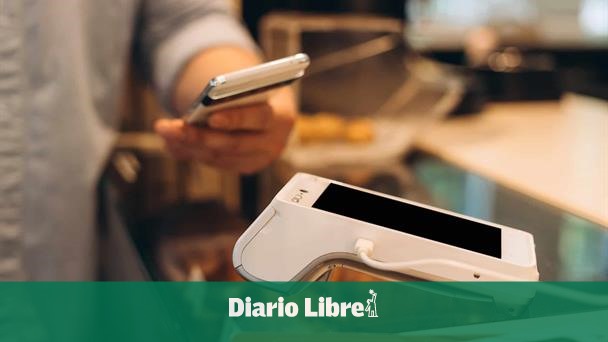
The use of the electronic payments continued to expand strongly in the Dominican Republic during 2025, consolidating a structural change in the way money circulates and transactions are carried out in the economy. Last year the payment and settlement system processed more than 43.9 million operations in Dominican pesos, which represents an interannual growth of 28.3% versus 2024.
In terms of value, these operations reached 66,733.7 million pesoswith an increase of 14.2%confirming the role of the real-time settlement system as the backbone of payments in the Dominican economy.
This growth occurs in a context of greater use of digital channelsexpansion of financial services and progressive replacement of cash by electronic instruments in the daily lives of companies and citizens.
More operations in dollars, but for a smaller amount
The transactions in dollars showed mixed behavior. The number of operations increased 20.2%until exceeding the two millionbut the total liquidated value decreased 12.6%standing in $220.9 billion.
This drop is explained by a lower activity in interbank operationsexchange and stock market, without implying a reduction in the use of the system.
In eurosOn the contrary, there was notable growth in both volume as in valuegradually consolidating this currency within the payment system.
Strong boost from regional payments
The cross-border payments between the Dominican Republic and the Central American countries also showed significant dynamism. The number of operations grew by about 47% and the amounts transferred increased more than 26%confirming the consolidation of this mechanism as a regional platform for the movement of funds.
Instant Paymentsthe great engine of change
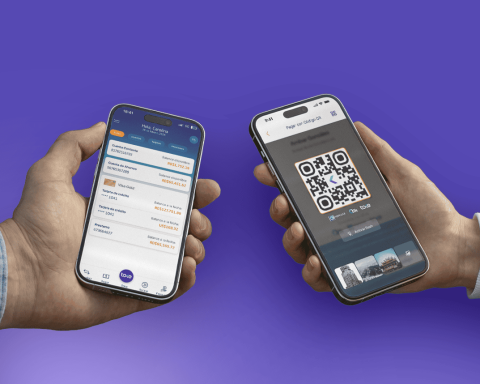
One of the main drivers of the growth of electronic payments was the service of Instant Paymentswhich allows immediate transfers in pesos, dollars and euros. In 2025, more than 43.3 million operations Through this mechanism, an increase in 29.4% compared to the previous year.
The progress of this service reflects user preference for immediate transfers, available at extended hours and with almost instant accreditation.
The cards They dominate, the checks go back
Low value payment instruments —cardsautomatic transfers, checks, mobile payments and banking subagents—all together moved about 1,689.5 billion pesoswith a year-on-year growth of 11.7%.
The payment cards They continued to be the main means used, concentrating almost two thirds of the total value of these operations, driven by their convenience and wide acceptance in businesses. They were followed by automatic transfers, mainly associated with direct debit payment of bills and loans.
In contrast, the use of checks continued to decline, confirming a sustained trend towards its loss of relevance as a payment instrument.
Explosion of banking subagents
One of the most striking changes of the year was the sharp increase in operations carried out through bank subagentsdriven by the incorporation of bill payment platforms and electronic recharges to this scheme, expanding access to financial services in areas with a lower presence of bank branches.
More competition and 24/7 payments
He payment system is now heading towards a new stage of modernization, with the introduction of a platform that will allow domestic and cross-border payments to be made 24 hours a dayseven days a week, with accreditation in seconds.
A change of era in the way of paying
Although cash is still present in the economy, data confirms that Dominicans are increasingly using electronic means to pay for goods and services. He payment system is consolidated as a key infrastructure for the efficiency of the financial system and for the daily functioning of the economy.