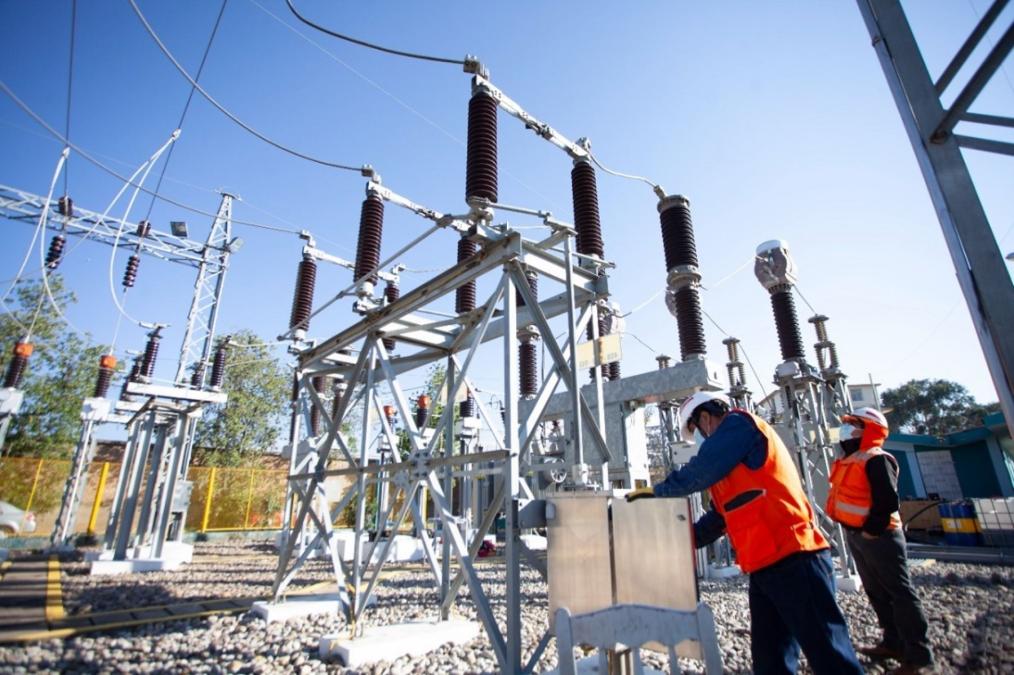
The Plenary of Congress is close to vote in the second instance a Opinion proposed to double from 5% to 10% the participation of profits from workers in the electricity sector. Although the measure seeks to improve the income of thousands of collaborators, different actors warn that it could generate economic and social consequences that go beyond the workplace, so the initiative should return to the Energy and Mines Commission for evaluation.
From the Economic Front, the Ministry of Economy (MEF) has indicated that the increase does not respond to productivity improvements nor is it supported in technical evidence. In his opinion, raising this benefit would make non -salary labor costs, reducing the capacity of companies to invest in networks, maintenance and modernization of infrastructure. This would have a direct effect on the financial sustainability of the companies and, consequently, in the quality and coverage of the electric service that reaches homes.
In work, specialists have warned that the opinion could have an impact contrary to the expected. By increasing fixed costs, companies would tend to contain the hiring of personnel or limit salary increases. This would especially affect new workers or who still do not participate in the distribution of profits, generating a regressive effect on formal employment creation.
Cost for users
On the social level, the risk is that the costs of this decision end up indirectly moving users, either due to higher rates or a lower capacity for expansion to rural areas and communities that still expect to access the electricity service. A lower investment would also put the safety and reliability of the system at risk in a context of growing energy demand.
In addition, business unions have warned that the initiative would affect the perception of regulatory stability in the country. This could reduce the attractiveness of the electricity sector for new capitals, at a time when Peru requires sustained investments to close infrastructure gaps and advance the energy transition.
Therefore, the debate is not limited to an immediate improvement in the distribution of profits, but raises a long -term dilemma: how to balance labor benefits with the need to ensure a solid electricity sector, capable of sustaining economic competitiveness and guaranteeing a quality service to the population.
In a nutshell
Arturo Vásquez
Exvice Minister of Energy
This measure would benefit less than 7,000 workers in the electricity sector, many of whom already receive the legal ceiling of 18 salaries for profits, added to the 15 salaries that are normally paid in Peru. That is, we are facing a group that, in some cases, perceives up to 33 annual salaries, an unthinkable figure for the average worker.
Jorge Toyama
VINATEA & TOYAMA Partner
Profits should not only be distributed for attending work, but based on the performance and contribution of each worker to the company. The project raises a higher percentage of distribution because the profits of the sector have increased, but this increase already benefits workers by receiving higher amounts.
Centriano César
Muñiz Study Partner
Those who earn more have more responsibilities, therefore, they receive more profits. The percentage of distribution to electricity companies does not make sense; In any case, differences should be established according to the size of the companies. You cannot extend the same measure to all companies.
Receive your Peru21 by email or by WhatsApp. Subscribe to our enriched digital newspaper. Take advantage of discounts.