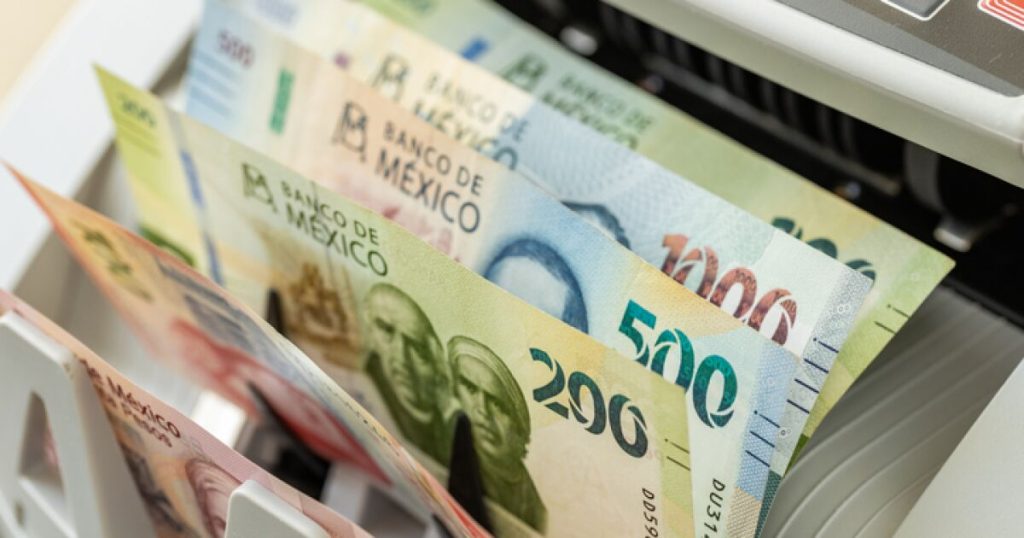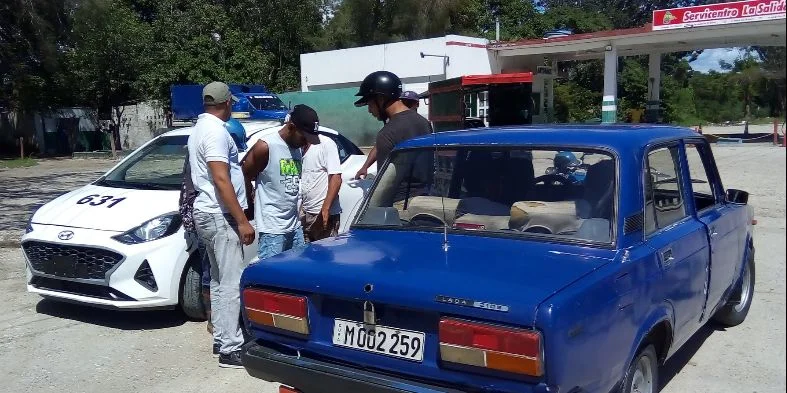
The MININT boasted this Tuesday about the operation, carried out in the province of Guantánamo.
MIAMI, United States. – The Ministry of the Interior (MININT) of Cuba announced this Tuesday the arrest of eight people (five men and three women) who operated an alleged “network dedicated to fraud through the fraudulent sale and purchase of dollars (USD)” in Guantánamo, with links in Havana, Villa Clara and Las Tunas.
According to Heroes in blue in Cubathe Facebook profile of the National Revolutionary Police (PNR), “a network was neutralized,” which had been operating in Guantánamo since July.
However, the official reports released by this entity and official media They omit essential data about those involved, the victims and institutional responsibility in these events.
The information states that “more than 100,000 CUP, cell phones and lines used in the fraud” were seized and that “the economic damage amounts to almost 6 million CUP and 1,000 USD.”
The mechanism described by the authorities is based on the intensive use of sales networks and communication instruments. On Facebook, the PNR explained that “the modus operandi “It was based on social engineering: they selected victims in buying and selling networks, they used ‘ghost lines’ and homes set up as deception scenarios, with quick escape routes.”
Neither the PNR page nor the note from the Cuban News Agency (ACN) reproduced by state media offer information on the identity of the detainees, their ages, their occupations or possible links with state structures or public companies, despite the fact that in Cuba access to foreign currency, telecommunications and housing is usually heavily regulated. It is also not specified how many people were scammed, what type of advertisements they used in the “buying and selling networks” or how long the network operated exactly before the MININT intervention.
The official coverage also contrasts the figures of declared damage and what is actually occupied. While the damage “was estimated at almost six million Cuban pesos and 1,000 US dollars,” the seizures are limited to “more than 100,000 Cuban pesos, cell phones and lines used in the fraud.” It is not clear whether the rest of the money was recovered, whether it was traced, or what mechanisms will be applied to compensate, if possible, the damage to the victims.
The ACN inserts the case within the current legal framework and remembers that “the crime of fraud is regulated in the Penal Code in force (Law No. 151 of 2022)”. According to the note, “said rule establishes sanctions of deprivation of liberty, confiscation of illicitly obtained assets and disqualification from exercising certain functions, depending on the magnitude of the damage and the aggravating circumstances.”
The emphasis on Penal Code contrasts with the lack of data on the specific procedural treatment that the eight people detained in Guantánamo will receive. It is not specified, for example, which exact criminal figures they are accused of, what stage the investigation is in, or whether they have had legal assistance from the moment of their arrest. It is only known that it involves “five men and three women” and the alleged economic scope of the fraud, without being able to evaluate the proportionality of the sanctions that could be imposed.