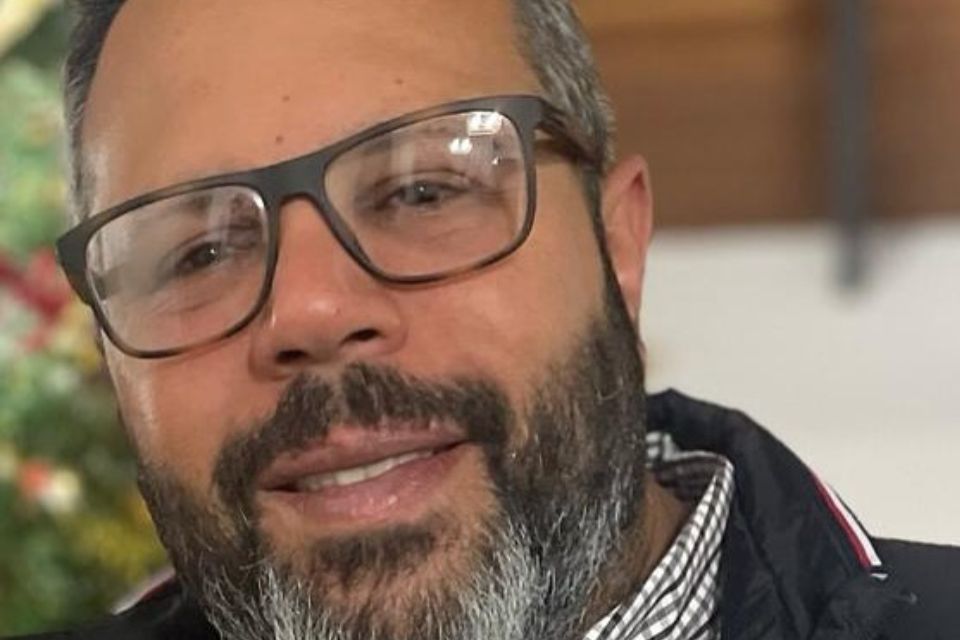
Mariana de Tudares, in a message published on her X account, expressed that she maintains the hope of receiving some type of communication, as has happened – as she said – in other cases of political prisoners
Mariana de Tudares, daughter of Edmundo González Urrutia, publicly requested a phone call or a visit for her husband, Rafael Tudares Bracho, detained and held incommunicado for more than 11 months and recently sentenced to 30 years in prison.
In a message published on his X account, González de Tudares expressed that he remains hopeful of receiving some type of communication, as has happened—as he said—in other cases of political prisoners.
“It has been more than 11 months, 400 days, without hearing from my husband Rafael and I am still waiting for a possible call, to hear from him or to listen to him,” she wrote.
He insisted that a call would represent a relief in the face of prolonged absence and uncertainty. “I pray to God and to any person with some humanity that this call be made, if there is still some humanity in the soul or conscience of those who have deprived him of their freedom,” he added.
*Read also: Venezuelan activists denounce lack of progress in investigation for attack in Colombia
On December 3, González de Tudares reported that her husband was sentenced by the Venezuelan justice system to the maximum sentence of 30 years in prison, after facing charges of terrorism, criminal association and money laundering.
Rafael Tudares Bracho was arrested on January 7 of this year, after being intercepted by hooded men when he was on his way to school with his two children, as reported then by Edmundo González Urrutia, who is currently in exile in Spain.
According to the information provided by his wife, the trial would have taken place in a single hearing, which lasted more than 12 hours, on November 28.
The case of Tudares Bracho adds to the complaints about arbitrary arrests, express trials and prolonged incommunicado detention of people considered political prisoners in Venezuela, practices that have been questioned by national and international human rights organizations.
*Journalism in Venezuela is carried out in a hostile environment for the press with dozens of legal instruments in place to punish the word, especially the laws “against hate”, “against fascism” and “against the blockade.” This content was written taking into consideration the threats and limits that, consequently, have been imposed on the dissemination of information from within the country.
Post Views: 146