Havana/A few weeks before closing 2025, the Cuban Government has launched an update of its “Program to correct distortions and re-boost the economy”, but criticism from ordinary Cubans has not been long in coming, given what they consider a big package, just when a category 4 hurricane is approaching the Island, which threatens to aggravate the crisis.
Economists have not remained silent either. For researcher Pedro Monreal, the document “is unnecessarily dispersed, with poor definition of goals and indicators, and imprecise description of actions.” As detailed on social networkthe plan does not have the technical solidity or the resources that would make its fulfillment possible.
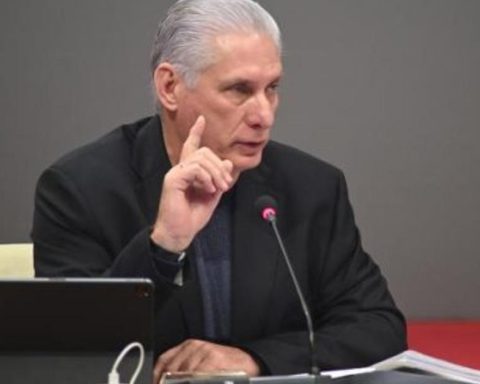
The new program versionpublished on October 24 on the Presidency’s website, promises to attack the structural problems of the economy: low productivity, inflation, devaluation of the peso and energy crisis. The text, of more than 80 pages, proposes ten general objectives, 106 specific ones, 327 actions and 257 goals. The Prime Minister, Manuel Marrero, assured that it is “a common thread for the entire management of the State.” However, Monreal considers that the Government “overestimates its competence”, recalling that “less complex things have not been able to be managed in longer periods of time.”
Much more difficult to digest is the increase in electricity and water rates, two products that Cubans see in dribs and drabs.
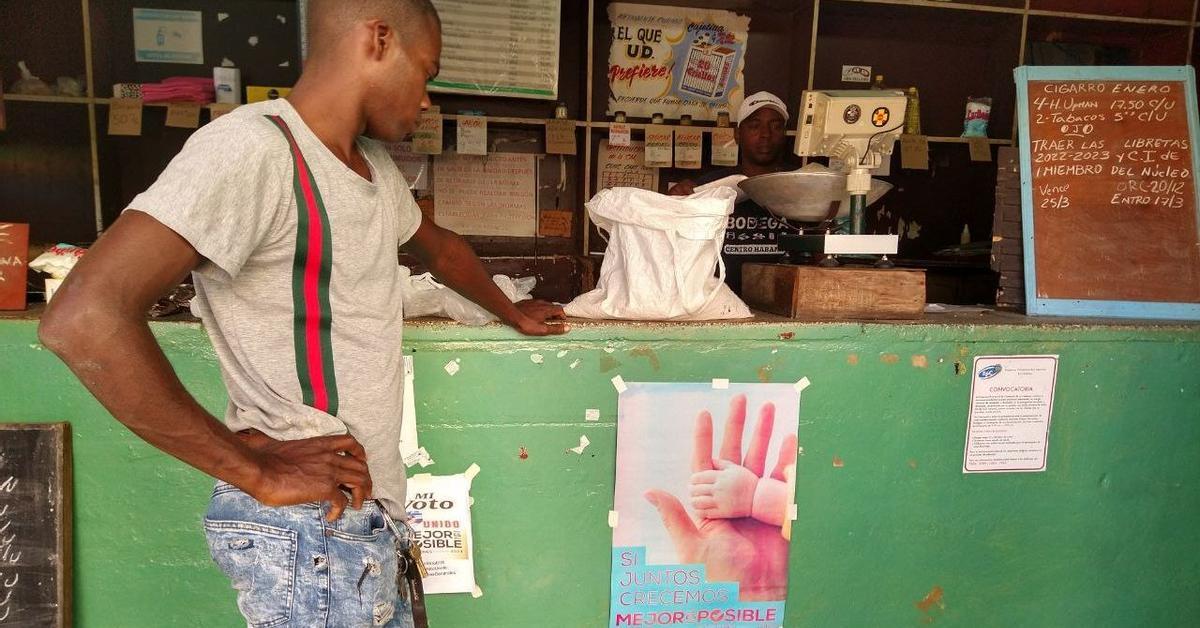
On Cuban streets, few have taken enough time to read the document. Between the uncontrollable outbreak of arbovirosis and the threat of Hurricane Melissa, not many have the patience or interest to look into these plans. Although, those who have done so report that practically nothing benefits them. The elimination of the few free benefits and subsidies that remain, as well as the “updating” of the price of the regulated basket, do not seem like promising announcements. Much more difficult to digest is the increase in electricity and water rates, two products that Cubans see in dribs and drabs.
The text combines control and openness measures that, in practice, could cancel each other out. While proposing “partial dollarization” and granting more space to MSMEs and cooperatives, it also reinforces control over prices, currencies and business processes.
In agricultural matters, the document establishes increases in the production of rice, vegetables, pork and eggs, but official data for 2023 show drops of up to 40% in several lines. “Those goals do not seem credible,” says the Cuban economist, based in Madrid.
Monreal also criticizes that the macroeconomic stabilization goals “are incomplete”: they do not include GDP growth, investment, balance of payments or international reserves. Furthermore, the plan ignores two key problems, such as poverty and inequality. “ECLAC methodologies could have been adopted to measure them, but they were omitted,” he warns.
Added to this is another gap: financing. Except for Unión Eléctrica, none of the 327 actions have identified financial backing. “An economic program is not credible if it does not say where the money will come from,” he emphasizes.
The document looks like “a Christmas tree on which each ministry hooked its ornament”
The official document highlights goals such as increasing exports, reducing inefficient subsidies and strengthening the socialist state enterprise. It also proposes new regulations for the exchange market and the use of the dollar, as well as “controlling inflation and improving fiscal discipline.” However, it does not set specific figures or deadlines.
For Monreal, the root of the problem is not a lack of planning, but a lack of real incentives. “Without understanding how economic actors respond and without changing the institutional framework, distortions are not corrected: they are recycled,” he says. In his opinion, a viable program would need to reduce state control, liberalize markets, decentralize decisions and attract external capital in a transparent manner.
Despite the Government’s optimistic tone, observers agree that this new plan risks becoming a dead letter. For the economist, the document looks like “a Christmas tree on which each ministry hooked its ornament.” That structure, he says, makes it a wish list rather than a coherent strategy. Among the most serious errors is the confusion between goals and indicators. “Objectives express what should be; goals quantify; and indicators serve to measure progress. If that is mixed, technical monitoring loses meaning.”
In the words of a commentator at the bottom of the document published in the official media: this is an attempt to put the house in order without changing the type of house in which one lives.