The epidemiologist insists that the situation is “under control,” although dengue, chikungunya and Oropouche are expanding in the midst of hospitals without conditions, accumulated garbage and inaccessible prices of medicines.
MADRID, Spain.- Dr. Francisco Durán García, national director of Epidemiology of the Ministry of Public Health (MINSAP), offered this Wednesday a new report on the epidemiological situation of Cuba, marked by the simultaneous circulation of three arboviruses. The official denied rumors of mass deaths in Matanzas and insisted that the health system “responds” to the emergency. However, the context that the population lives is radically different from that official version.
“No deaths have been reported,” Durán said, referring to versions that spoke of “11 deaths in one night” in Matanzas. The epidemiologist added that “the health system is working in an organized manner and with reinforcements in the most affected territories,” and that “despite the difficulties, services have not collapsed.”
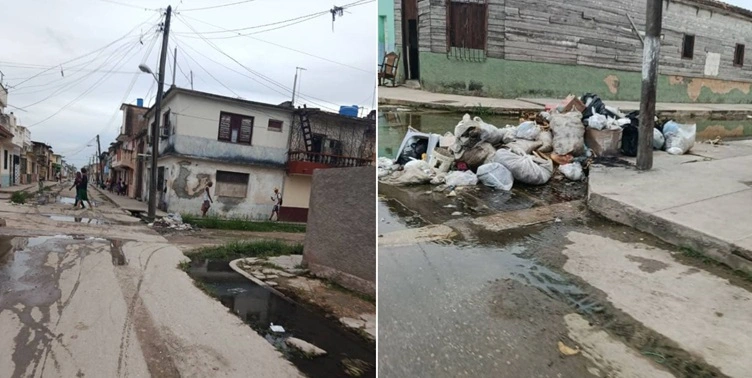
The official’s words contrast with the reality that patients and families face: hospitals without hygiene, with a lack of beds, a shortage of basic supplies and medicines, while infections spread in areas where Garbage accumulates uncontrollably.
Three viruses and a system in crisis
According to Durán, “dengue, chikungunya and Oropouche are circulating in the country.” Dengue maintains active transmission in 12 provinces, 36 municipalities and 44 health areas. Chikungunya was initially detected in Matanzas and is expanding in that province. The Oropouche, for its part, is present in 12 provinces, 26 municipalities and 31 health areas, although with a tendency towards a decrease in cases.
The epidemiologist specified that “so far four patients hospitalized for dengue have been reported: three in serious condition and one in critical condition.” Regarding the advance of chikungunya, he pointed out that “it does not cause highly lethal conditions, but its expansion requires constant surveillance.”
The problem lies not only in the circulation of viruses, but in the real inability of the health system to confront them. Most of the country’s hospitals are in deplorable conditions: dirty, without running water, with unusable bathrooms and overcrowded wards. Many patients must sleep in hallways or bring their own sheets and syringes.
Added to this is the chronic shortage of medicines. Painkillers, serums or antibiotics are absent from state pharmacies and are only available in the informal market at very high prices. A box of paracetamol can cost several days’ wages.
Garbage dumps and dirty water: the perfect terrain for mosquitoes
The expansion of these diseases occurs in a country where garbage and dirty water have become part of the urban landscape. The streets, ditches and patios are littered with accumulated waste, without effective sanitation plans. This situation has turned entire neighborhoods into high-risk areas for the proliferation of the Aedes aegypti mosquito.
In the midst of this scenario, Durán reiterated his call to the population to maintain domestic hygiene measures: “The rains and heat favor the proliferation of mosquitoes, which is why it is essential to eliminate breeding sites, cover water tanks and use abate.” He also said that “individual responsibility is key in the fight against mosquitoes.”
However, for thousands of Cubans, these recommendations are impossible to comply with: the regime does not guarantee garbage collection or basic sanitation, while blaming the population for a problem that is worsened by state inaction.
Emergency without resources
The official response includes fumigations, medical reinforcements and epidemiological surveillance, but without resources or medications, these actions are insufficient.
This same week the Cuban regime the transfer of doctors and nurses began towards the province of Matanzas, due to this sustained increase in cases of dengue and chikungunya. Local authorities recognized that the province faces a personnel deficit for vector control: only 777 active workers out of a total of 1,341 planned.
“We have brigades in the most affected territories and constant monitoring of the situation,” said Durán, although he did not offer details about real resources available or sustainable plans to confront the crisis.
While the authorities insist on talking about “control” and “organization”, the health reality is that of a sick and overwhelmed country. The spread of arboviruses It occurs in the midst of collapsed hospitals, lack of medicines and an urban environment converted into a landfill. The mosquito is not the only enemy: the structural apathy of the regime aggravates the emergency.