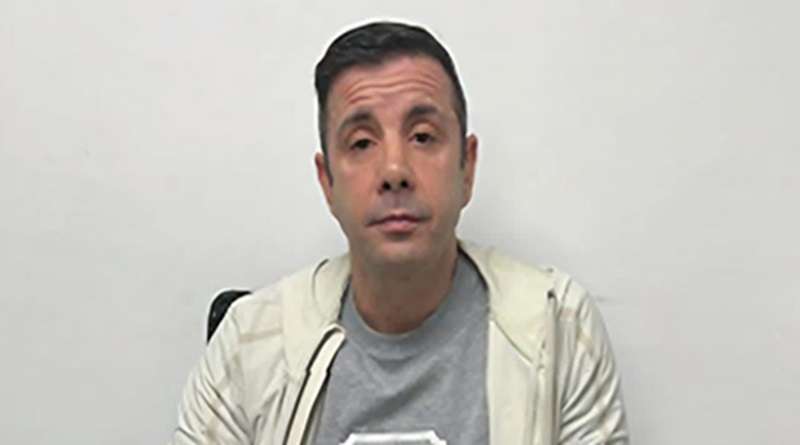
As part of international cooperation, the passive extradition to France of Stéphane Spagnol, also identified as Alexandre Stefano Barichello, was carried out for trafficking cocaine and cannabis resin (an organic compound derived from marijuana).
The decision is based on ruling No. 551 of the Criminal Cassation Chamber of the Supreme Court of Justice (TSJ), issued on November 7, when the request for passive extradition was declared admissible. A prosecutor specialized in international criminal cooperation and a prosecutor before the Supreme Court of Justice participated in the development of the extradition process.
In this sense, the cooperation between the French authorities and the Venezuelan intelligence services determined that Spagnol entered the country on June 7 of this year through the Pacaraima pass on the land border with Brazil.
It was also established that Spagnol traveled to numerous countries, including the United Arab Emirates, Brazil, Argentina; and that he also owns numerous inns in Colombia, where he is linked to criminal organizations. However, he was apprehended in the city of Caracas, a few days before embarking on a trip to Colombian territory.
Spagnol had been a fugitive from French justice for 10 years, and was one of the most wanted men of the French Anti-Narcotics Office for the commission of the crime of unauthorized transportation of narcotics with recidivism; in addition to unauthorized possession of narcotics.
Other crimes for which he is accused in France are unauthorized offer or transmission of narcotics with repeat offenses; trafficking and membership in an association of criminals for the perpetration of a crime punishable by a sentence of 10 years with recidivism.
In turn, it was learned that the fugitive underwent cosmetic operations to change the physical appearance of his face and complexion, in addition to possessing a false French passport and false Colombian identity documents.