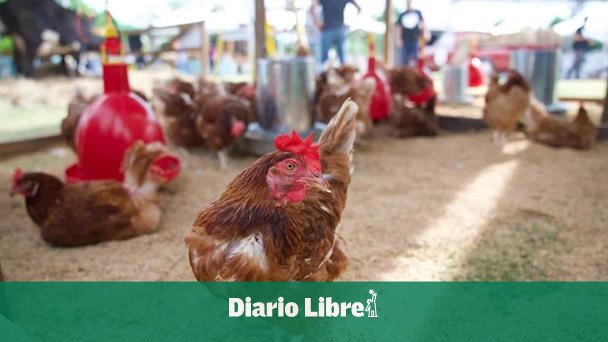
He Dominican poultry sector continues to implement a national vaccination plan preventive against avian influenza (H5N1), in a context in which 5,063 outbreaks were reported in the Americas, in October, according to the Pan American Health Organization (PAHO), to which are added recent cases in Spain, which ordered this Monday the confinement of poultry in 1,200 municipalities.
The president of the ADA, Pavel Concepcionrecalled that this plan has been carried out in the country for five years in long-lived birds (breeding and commercial), to strengthen the health of chickens and hens, with emphasis on preventive vaccinationepidemiological surveillance and rigorous compliance with biosafety protocols.
He health plan seeks to maintain a preventive attitude that protects national production against the health challenges of modern poultry farming, relying on a technical system that has made it possible to manage quality standards comparable to those of the most demanding international markets.
“The country has managed to sustain its regional leadership thanks to technology, productive efficiency and health discipline of our producers. Today we reaffirm our commitment to continue growing with responsibility and guaranteed avian health,” said Concepción.
- The national egg production is around 3,955 million units annually, equivalent to 257 million monthly. The sector has more than 500 active producerswhich generate thousands of direct and indirect jobs throughout the country.
“We are in a key moment to consolidate the health sustainability of the sector. This plan is our guarantee for the future: we want to continue producing more, but, above all, producing better,” concluded the president of the ADA.
Biosafety strategy
The plan includes specific measures for the control and diagnosis timely treatment of diseases such as infectious bronchitis, avian laryngotracheitis, reovirus, mycoplasma and H5N1 avian influenza.
These actions are part of a national strategy biosafety that includes farm traceabilitysystematic application of vaccines and continuous training of the technical staff.
The Dominican Poultry Association reiterated its commitment to continue working alongside the Department of agriculture and regional animal health bodies to keep the Dominican Republic free of avian influenza and strengthen the competitiveness of the sector in the next five years.