Santo Domingo.-The Dominican Republic is on the verge of eradicating hunger in its population, a key advance towards the Sustainable Development Goals (SDG), a goal it plans to achieve in 2030, but it still faces great challenges in terms of healthy eating and social inequality, representatives of the United Nations (UN) stated.
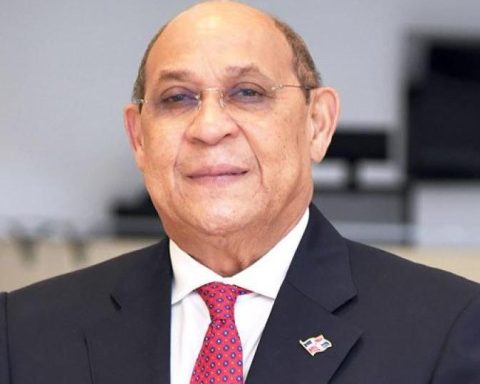
The country has managed to reduce undernourishment from 11% to 3.6% of the population, which means that it is “on the verge of eradicating hunger” and getting off the “hunger map” (which it achieves by reaching 2.5%), according to Rodrigo Castañuela, representative of the FAO (Food and Agriculture Organization of the United Nations).
Castañuela called this an “immense achievement,” although he said such progress in the food landscape presents challenges.
So, he warned that eradicating hunger does not mean that the population is eating healthily, since it is only covering an “energy need.”
“The great challenge is to have a healthy, nutritious diet,” he said.
He indicated that 23% of Dominicans cannot afford to buy healthy foods and that 70% of the population suffers from obesity or overweight.
Food quality
Rodrigo Castañuela indicated that the quality of food presents a challenge for Dominican agriculture, requiring adaptation, innovation and technical competence to face growing climate risks.
He stressed that agricultural production can no longer depend on traditional methods, but requires investment and advanced technology.
He emphasized that climate change has imposed the need to modernize.
“For farmers to adopt simple technologies, such as solar panels, they need accessible financing,” he said, suggesting that the State should offer credit guarantees for use so that producers can access loans.
The main challenge lies in transforming the food system so that it is sustainable, healthy and affordable. The population is eating “more, not necessarily better” and processed foods with high work impact often lack nutritional benefits.
He indicated that the demographic growth perspective projects that food and protein production must increase by 60% to meet demand between now and 2050, forcing a systemic transformation that also considers the environmental impact.

Diseases
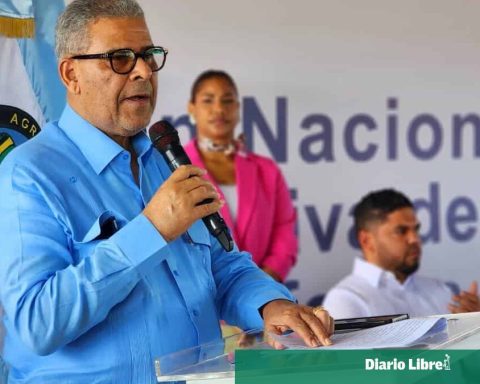
Alba María Ropero, representative of the World Health Organization and the Pan American Health Organization, pointed out that this problem is closely related to a high rate of chronic diseases such as cardiovascular diseases, diabetes and hypertension, and called for work on the prevention of these diseases.
Pending challenges
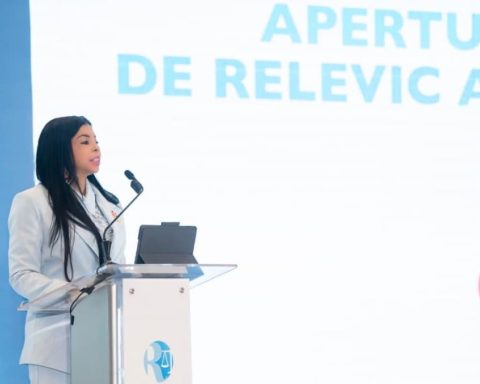
Julia del Carmen Sánchez, UN representative in the country, stated that although the Dominican Republic is the “envy of the region” for its economic growth (an average of 5%), this progress has not been accompanied by a decrease in inequality. “That has been stagnant,” explained Del Carmen, highlighting that the motto of the 2030 Agenda is “Leave no one behind.”
Anyoli Sanabria, from UNICEF, pointed out that the groups that are being left behind are the poorest households, single parents and the immigrant population, and that differentiated treatment is required for the rural and vulnerable population.
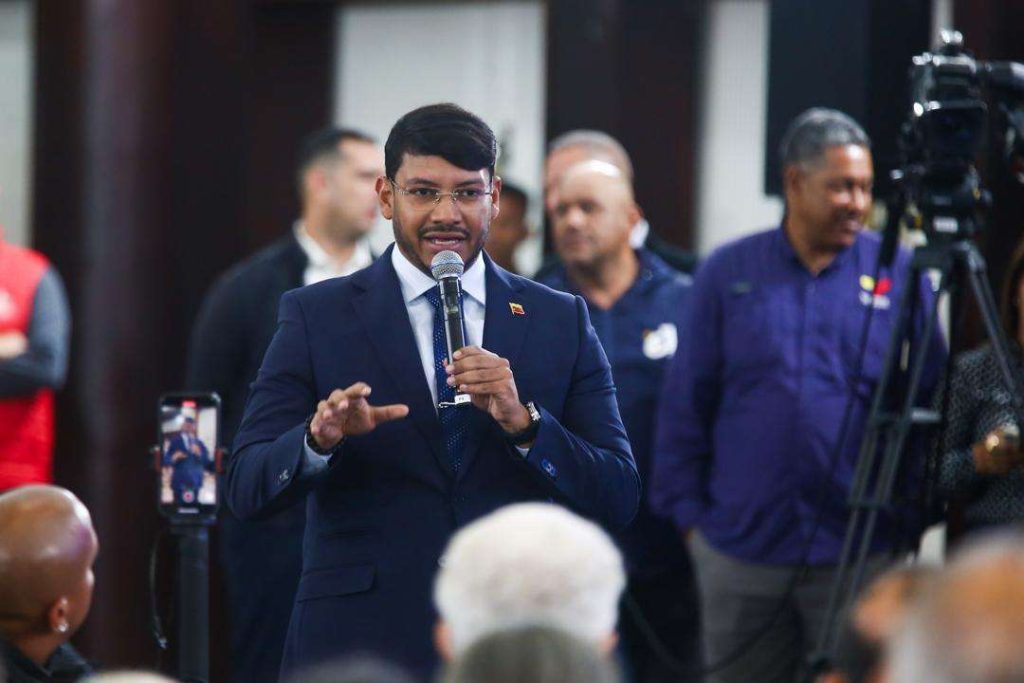
Mario Serrano, from UNFPA, understands that a key structural factor is labor informality.
54% of salaries are informal, which means that a large part of the population lacks social protection, affecting areas such as health, education and economic access to food. He indicated that in informality, women are the most affected.
Women have a greater participation in the informal sector (64%), where income is usually lower and less stable than men, Serrano noted.
The organization clarified that the problem of the gender gap is not exclusive to the Dominican Republic, according to the figures of the “Global Gender Gap Index.” The country obtained a score of 70.2 (on a scale where 1 indicates total parity), higher than the global average of 68.
Mission in Haiti will be unique in structure
Crisis. In reference to the new international mission that will be deployed in Haiti, Del Carmen Sánchez, from the United Nations Organization, expressed hope that the organization has reflected on the questionable situations after the departure of previous missions.
Although the details of the new mission are being negotiated, it is known that it will be “unique in its structure” and different from previous ones, which is interpreted as a response to the recognition of past problems.
The goal is to “do no harm” and have a positive impact on the current Haitian crisis, where there are 1.3 million internally displaced people in Haiti. He said they will support as much as possible.