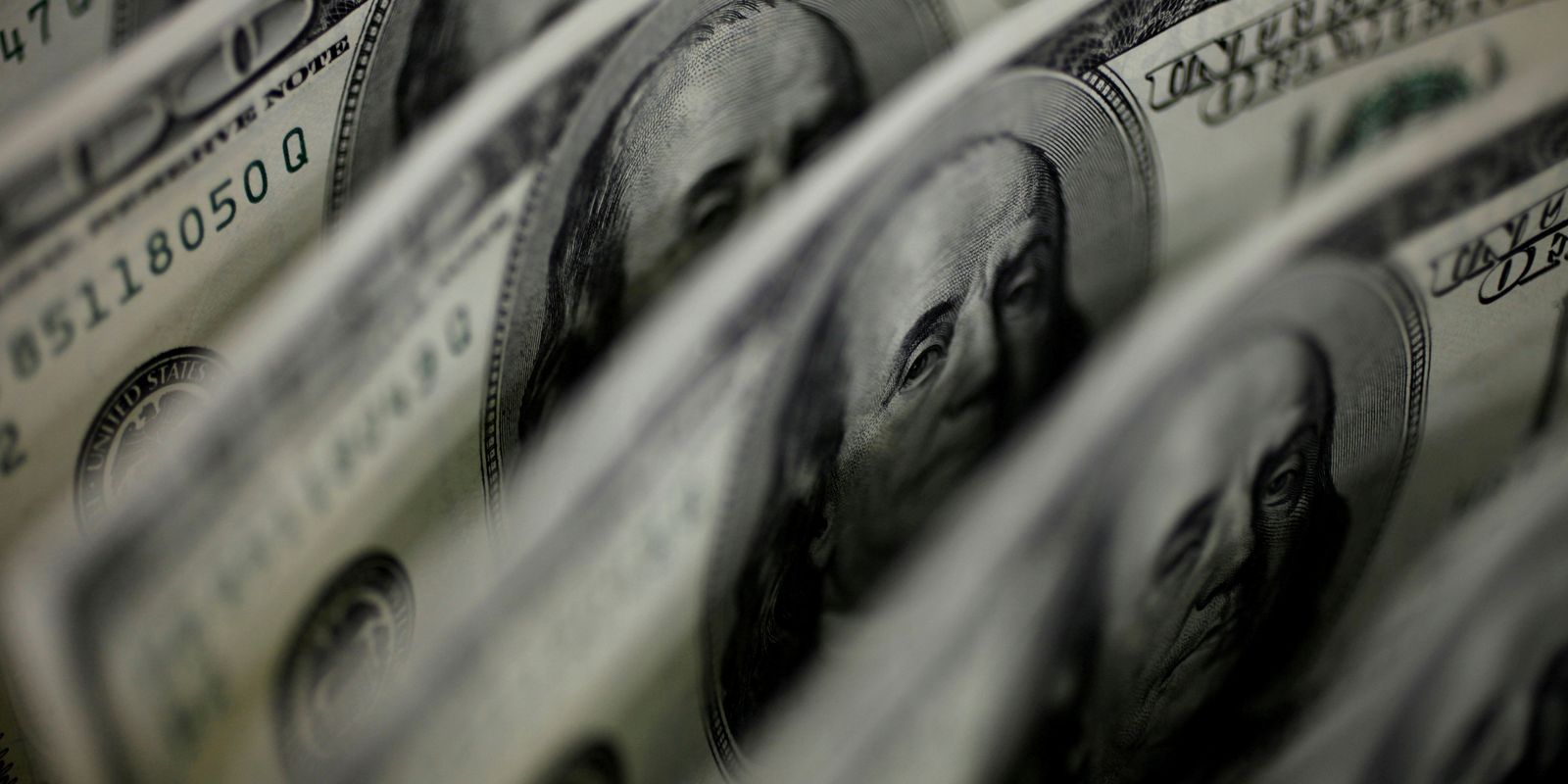
On a day of adjustments in the financial market, the dollar rose and the stock market fell after the appointment of the future president of the Central Bank of the United States. Even so, the US currency closed January with the biggest drop in seven months, and the stock market had its best month in just over five years.
The commercial dollar ended this Friday (30) sold at R$5.248, up R$0.054 (+1.03%). The price opened close to stability, but began to rise after President Donald Trump appointed Kevin Warsh to preside over the Federal Reserve (Fed, the American Central Bank).
Despite this Friday’s rise, the dollar fell 4.4% in January, the best monthly performance since June last year. This week alone, the currency fell 0.73%.
The stock market had a losing day. The Ibovespa index, from B3, closed the day at 181,364 points, down 0.97%. The indicator rose in the early afternoon, but retreated, influenced by both internal and external factors.
Even with this Friday’s decline, the Brazilian stock exchange ended January with an increase of 12.56%. This was the best performance in a month for Ibovespa since November 2020, when the indicator began to recover from the covid-19 pandemic.
International factors dominated the negotiations. The appointment of Warsh, former director of the Fed, to preside over the institution raised the dollar across the planet, reducing the loss of value of the US currency in recent weeks. This is because the future commander of the Fed is known to the financial market and, until recently, demonstrated conservative stances on monetary policy.
In the case of the stock exchange, in addition to the external market, negotiations were influenced by profit-making, when investors take advantage of the recent appreciation of shares to sell shares and pocket the gains.
* with information from Reuters