On a day marked by tensions around the application of the magnitsky law, used by the United States to sanction the Supreme Court (STF) Minister Alexandre de Moraes, the dollar approached R $ 5.50. The scholarship had the second largest drop in the year, pulled by bank actions.
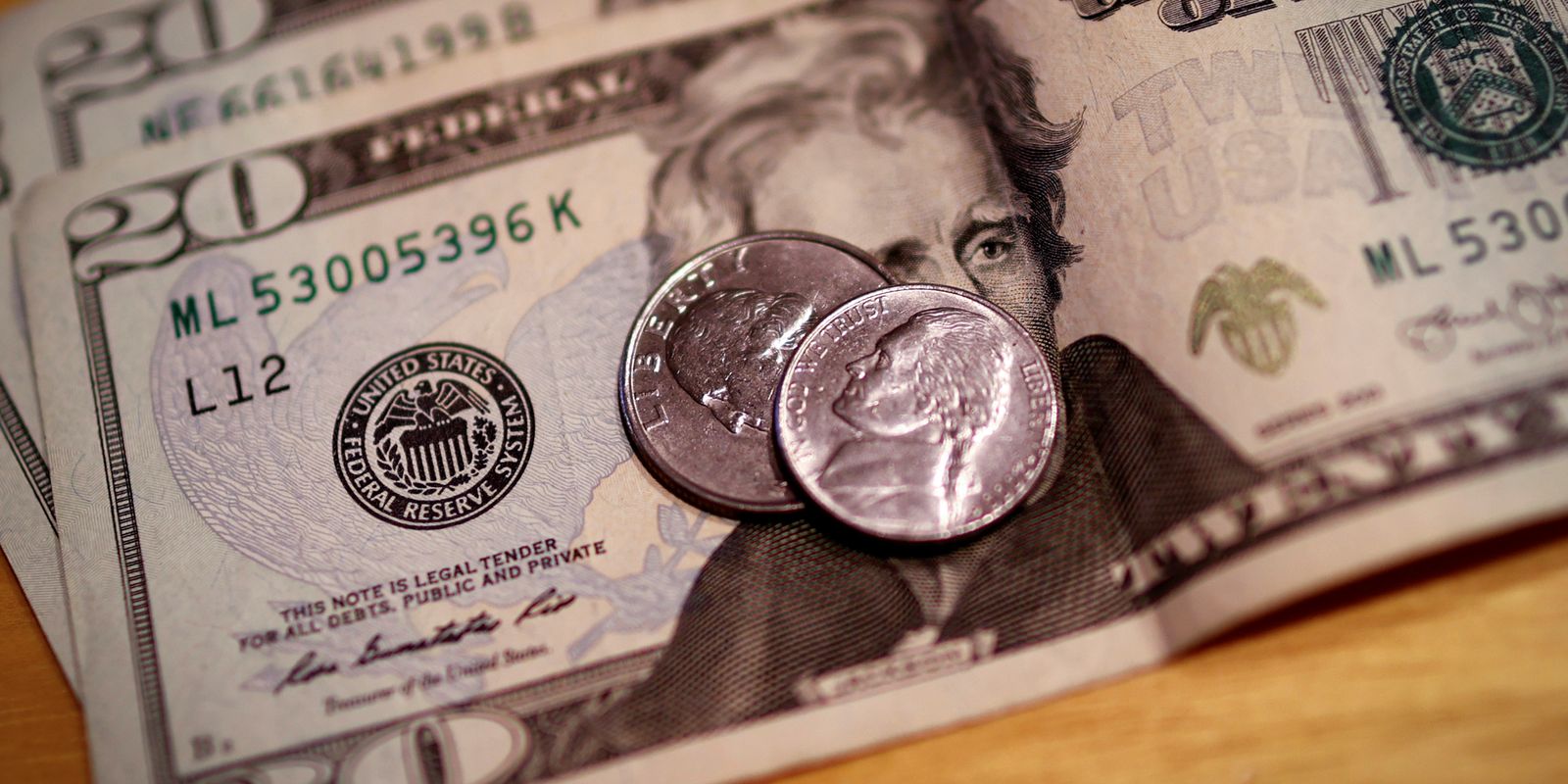
The commercial dollar ended this Tuesday (19) sold at R $ 5,499, with a increase of R $ 0.065 (+1.19%). The quotation even operated in stability in the first minutes of negotiation, but fired to $ 5.47 still in the morning. At the top of the day, around 4:30 pm, it exceeded R $ 5.50.
At the highest level since August 5, the US currency accumulates a drop of 1.82% in August. In 2025, the border retreats 11.02%.
The stock market also had a tense day. B3’s Ibovespa index closed at 134,432 points, with a drop of 2.1%. The indicator has been on the smallest level also since August 5.
Banks actions pulled losses on Tuesday, due to doubts about possible sanctions to Brazilian financial institutions that do not apply the restrictions against Moraes. The biggest losses were recorded at branches with branches in the United States.
In analyzing a decision of the United Kingdom justice on compensation to victims of the disaster of Mariana and Brumadinho (MG), Supreme Court Minister Flávio Dino clarified that foreign laws are not automatically valid in Brazilneeding to be confirmed by the Brazilian justice.
Although I do not quote Magnitsky’s law, Dino’s decision could protect Brazilian citizens from US legislation, used by the Donald Trump government to sanction STF Minister Alexandre de Moraes, restricting their access to financial services. The sanction is part of the actions adopted by the United States against Brazilian imports and authorities to interfere with the trial of former President Jair Bolsonaro in the process of the final scam plot.
>> Understand the US law applied by the US against Alexandre de Moraes
Predicted sanctions include the blockade of bank accounts, assets and interests in assets within the jurisdiction on US soil, as well as the prohibition of entry into the country. This last measure had already been applied to Moraes and other STF ministers.
In addition, an indirect effect, even for those who do not have goods in the country, would be the possibility of interruption of services such as those related to credit card operators and digital services, companies that operate under American laws or maintain bankruptcy in the US, as they would be, in theory, forced to respect the sanction.
In an order in the early afternoon, Dino reaffirmed that there was no automatic effectiveness of foreign laws in the national territory, but clarified that decisions of international courts in force in Brazil.
*With information from Reuters