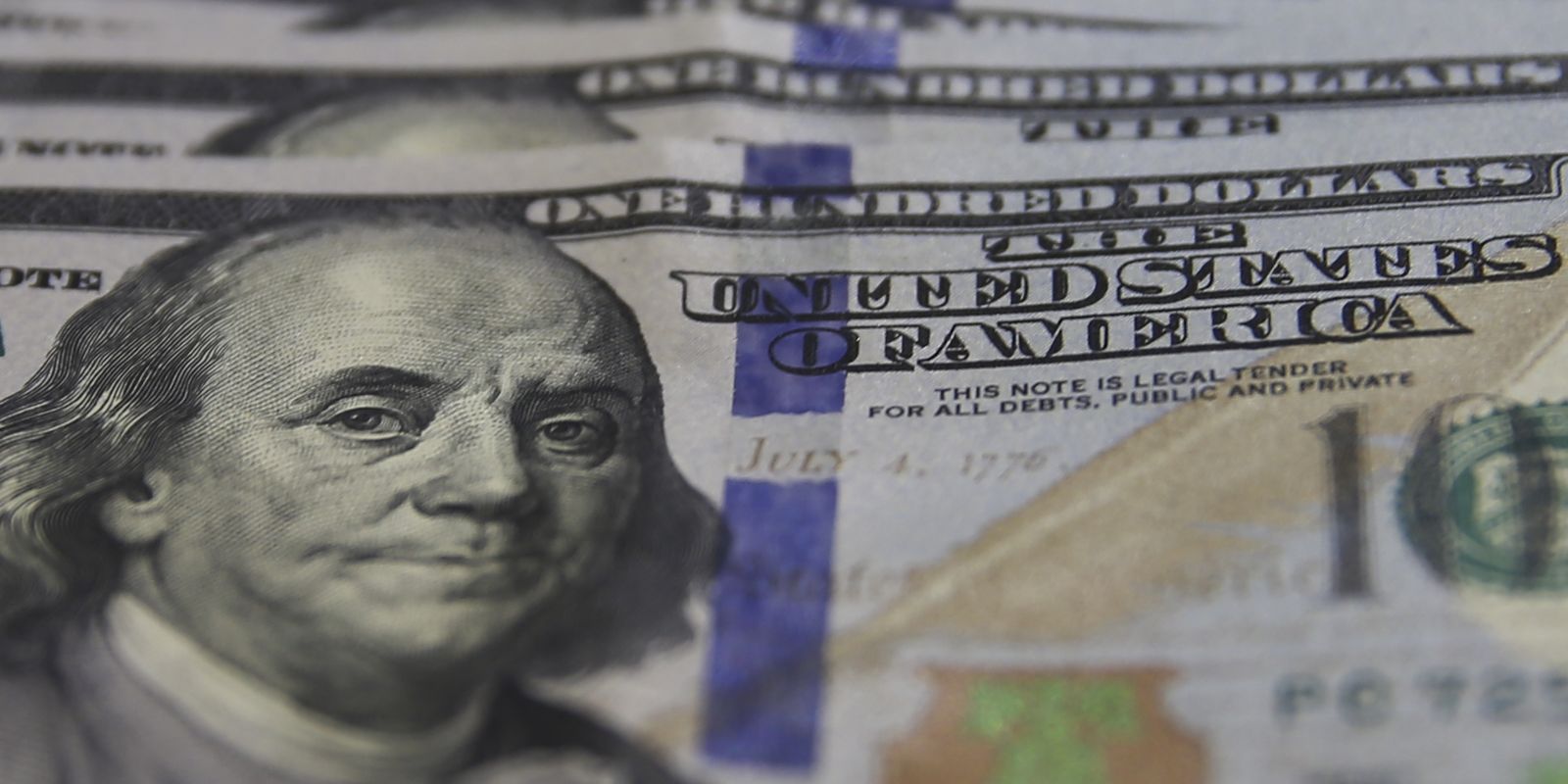
On a day of euphoria in the financial market, the dollar fell to its lowest level in 21 months and closed below R$5.20. The stock market rose sharply and broke a record, surpassing 186 thousand points.
The commercial dollar ended this Monday (9) sold at R$ 5.188, a drop of R$ 0.032 (-0.62%). The price fell throughout the session, reaching R$5.17 at around 1 pm. From then on, investors took the opportunity to buy cheap currency, but the currency continued to operate lower.
The US currency is at its lowest level since May 28, 2024, when it was at R$5.15. The currency accumulates a drop of 5.47% in 2026.
The stock market had a day of gains. The Ibovespa index, from B3, closed at 186,241 points, up 1.8%. The indicator was driven by shares of banks, oil companies and mining companies, sectors with greater weight in the index.
The last time the Ibovespa had broken a record was on the 3rd. The Brazilian stock market rises 15.69% in 2026.
China’s recommendation
The dollar began the session falling against the real, following the movement in the international market. Possible interventions to strengthen the Japanese yen and the repercussion of recent data from the United States economy contributed to the fall.
The American labor market figures, released last week, were lower than expected. This increased the chances that the Federal Reserve (Fed, American Central Bank) will reduce interest rates again. Furthermore, the electoral victory of Japanese Prime Minister Sanae Takaichi caused the dollar to retreat against the yen.
The main factor, however, that weighed on the market was the Chinese government’s recommendation that private banks reduce their purchases of US Treasury bonds. The Asian country is the largest holder of US securities and intends to diversify its international reserves.
This combination of factors caused the dollar to fall and the stock market to rise. The US currency also gave way to currencies from other emerging countries, such as the South African rand, the Mexican peso and the Chilean peso. This more favorable environment for emerging markets, observed since the beginning of the year, tends to persist and may continue to benefit the Brazilian exchange rate in the coming months.
* with information from Reuters