The importance of percentage
The main economic risk of a significant salary increase lies in the percentage applied (13%), not in the amount itself.
“Approximately 70% of formal workers in this country earn above the minimum wage. It is not so much the increase, but the percentage that is being applied to said increasebecause people, even if they don’t earn the minimum, are going to want an increase of 13%, 14% or even a higher percentage of salary increase,” he explains. Jesus Guillermo Mendietamember of the Audit and Risk Committee of the College of Public Accountants of Mexico (CCPM).
When the minimum wage is increased by a high percentage (such as 13%), there is a strong tendency for workers who earn more than the minimum to seek a proportional increase (13%, 14% or even higher). This phenomenon generates a “domino effect” in the labor costs of companies.
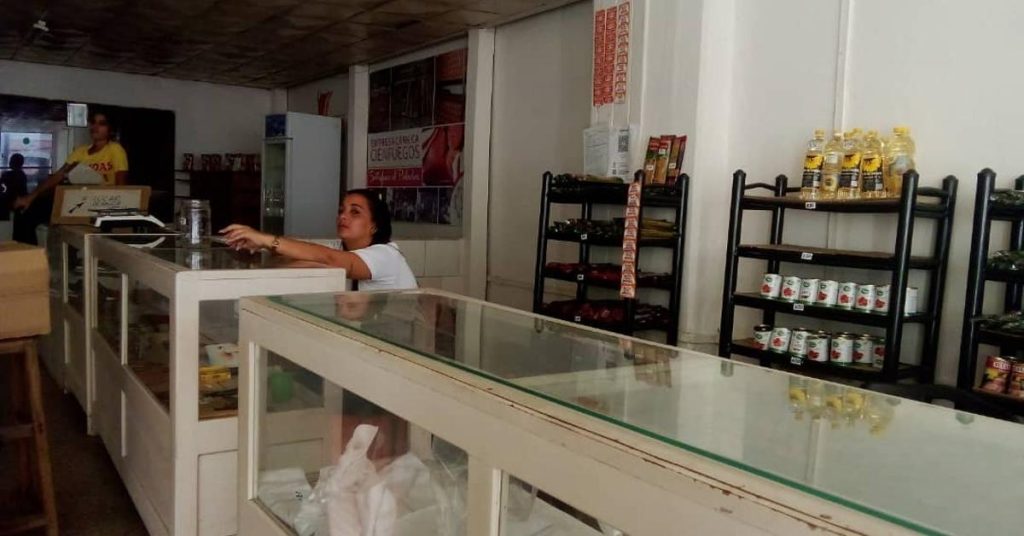
As an example of what this percentage impact implies, if a kilo of tortilla is worth 20 or 22 pesos, an increase of 13% could raise its price to 26 or 28 pesos. Basic products and essential services such as water, electricity, telephone, internet and basic food basket (egg, milk, tortilla) could increase by a percentage equal to or greater than 13%.
This causes inflationary risks and even puts jobs at risk, because people stop consuming certain products and replace them with cheaper ones and this also impacts companies, because seeing their sales go down, there is less income “and therefore the fastest thing an entrepreneur can do is cut jobs,” explains the specialist.
The member of the CCPM assures that to achieve a reasonable quality of life through wages, the focus should be on reducing inflation. The real objective should be to achieve the “balance between the reasonable increase so that inflation is reasonable”recognizing that there must be an increase year after year, but the key is in the proportion.
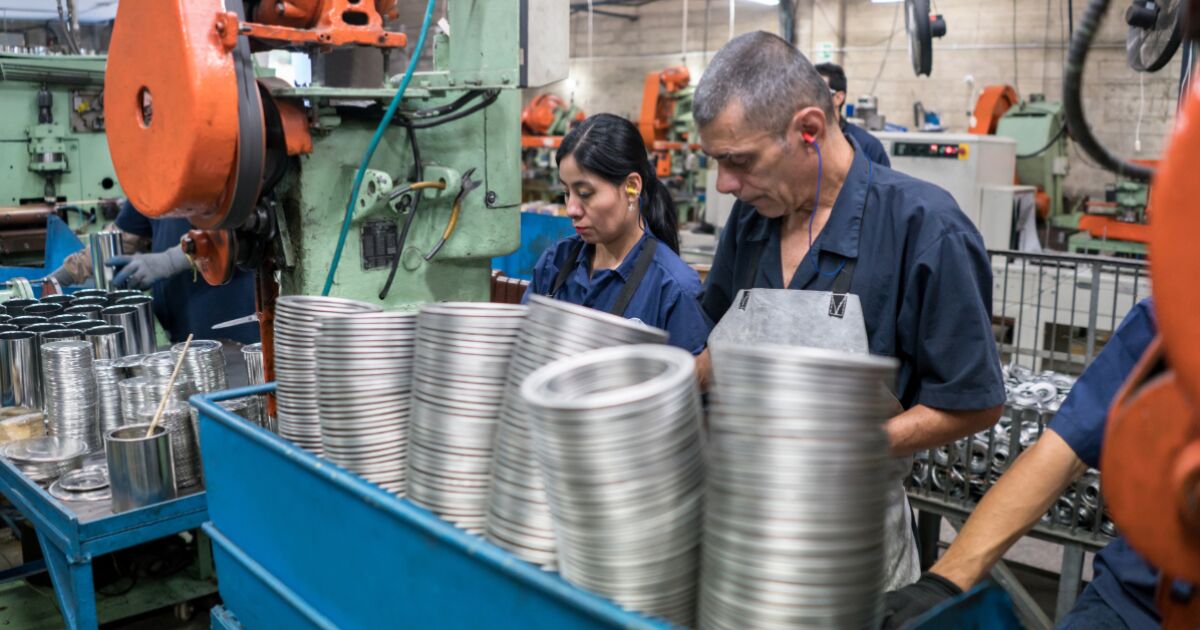
(Photo: iStock)
This is how the minimum wage increased
The minimum wage will go from 278.80 pesos to 315.04 pesos from the January 1, 2026that is, it will go from 8,480.17 monthly to 9,582.47 pesos per monthreported the Secretary of Labor and Social Welfare, Marath Baruch Bolaños.
In the Northern Border Free Zone, the increase will be 5%. Where the salary will go from 419.88 pesos to 440.87 pesos per day, that is, 13,409.80 pesos per month.