The consolidation of trade online and digital financial institutions has intensified one of humanity’s most traditional crimes: scams involving third-party documents. From 2022 to 2025, document fraud attempts in Brazil more than doubled, jumping from around 19 thousand to more than 51 thousand in 2025.
The conclusion is based on a survey by Caf, a company specialized in intelligent document verification. The data shows a continued escalation of the problem.
• 2022: more than 19 thousand attempts;
• 2023: more than 66 thousand;
• 2024: more than 37 thousand;
• 2025: more than 51 thousand (year-to-date).
CNH: preferred document
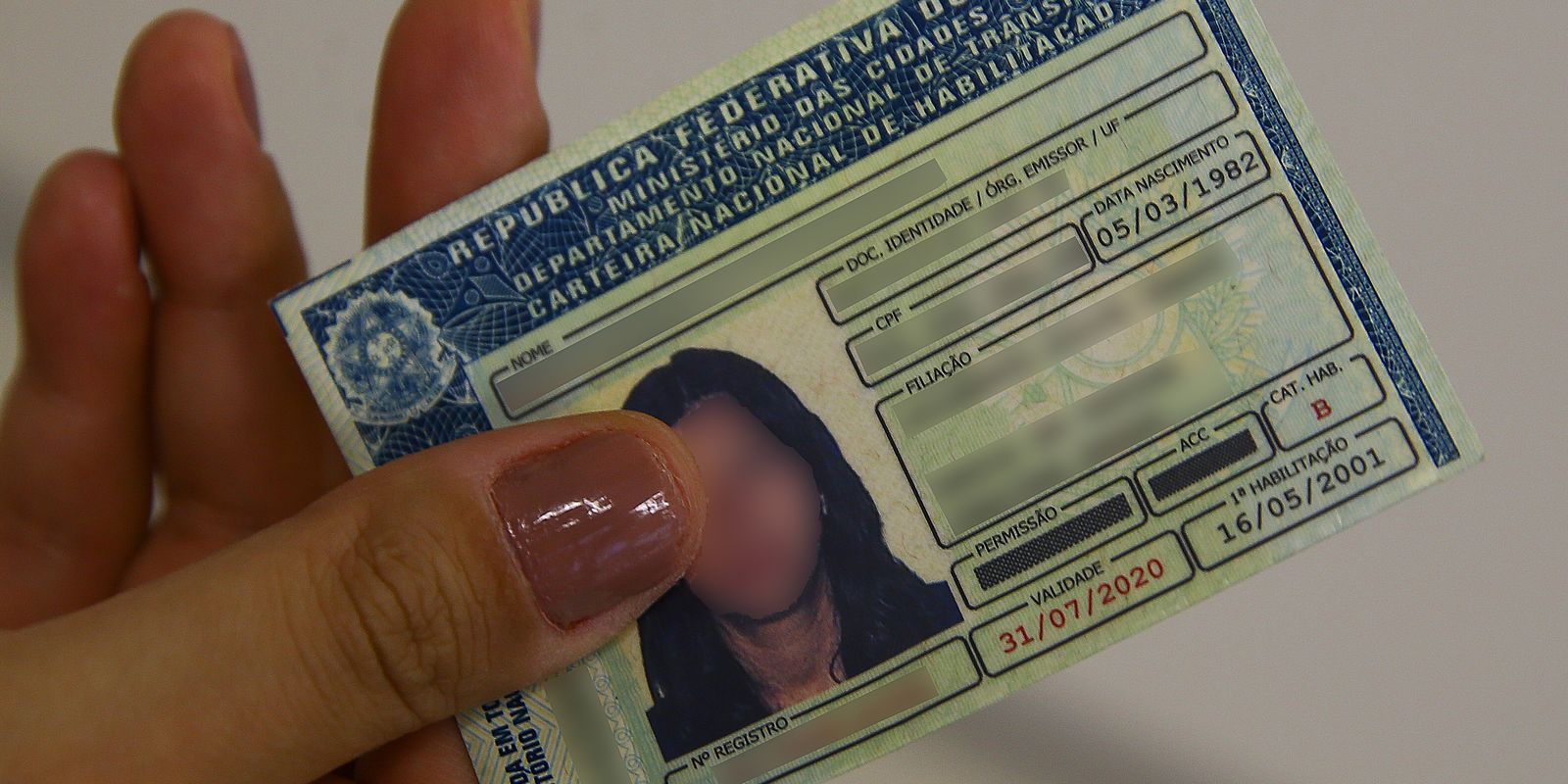
According to the company, the identity card remains the most targeted document. In 2025, 84% of fraud attempts involved the General Registry (RG), which continues to be widely used and has a wide variety of versions in circulation. The National Driving License (CNH) also registered an increase in the share of fraud, rising from 8% of cases in 2022 to 14% in 2025.
For Caf’s technology director, José Oliveira, the multiplicity of ID models still present in the country increases the risk of manipulation, in a scenario in which the National Identity Card (CIN) is being adopted in a staggered manner. He states that technological solutions have become essential for detecting irregularities.
“Brazil has countless versions of ID cards in circulation, which expands the fraud surface. This makes it unfeasible to rely solely on visual inspection or manual processes”, he emphasizes.
Oliveira explains that systems based on artificial intelligence can identify signs of digital tampering with greater precision, but highlights that the combination of technology and human analysis still offers the highest rate of effectiveness, reaching 98% accuracy in detecting fraud.
Analytics
The survey used a technology called Documentoscopy, which combines automated verification, assisted capture, data extraction using OCR (optical character recognition) and specialized analysis. In 2025 alone, more than 11 million documents were analyzed by the company’s platform.
Founded in 2019, Caf works to develop anti-fraud technologies with biometric verification, document recognition and identity validation solutions used mainly on websites and applications.