IPN scientists study sauces in subway food stalls
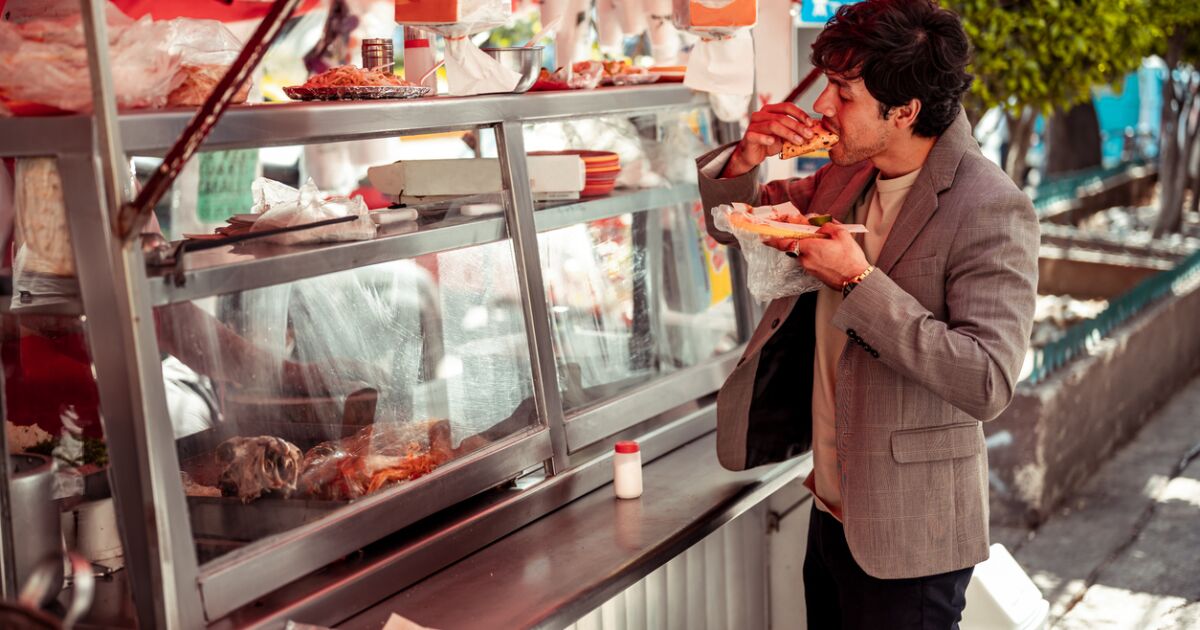
Researchers from the Department of Morphology and the Department of Physiology, both of the National School of Biological Sciences of the IPN, studied samples of the sauces of the premises and informal food businesses within a radius of 50 meters around 181 inputs of the subway stations.
In each station, three shows of different positions were collected.
The specialists went to almost all available STC Metro stations, with the exception of the stretch of Balderas to Observatory of Line 1, because the sampling was carried out in August 2023, when they were closed by maintenance.
Each salsa collected was labeled and subsequently marked by its microbiological analysis in a laboratory, following the recommendations of the NOM-12-SSA1-1994, Official Mexican Standard for the procedures for taking, management and transport of samples for its study.
In addition, he also attached to the Guide of the Strobe International Guide (Strengthening The Reporting of Observational Studies in Epidemiology) to ensure the quality of the investigation.
(Marcos Elihu Castillo Ramirez/Getty Images/Istockphoto)
There are bacteria at all stations
The results showed that all samples of the 181 subway stations presented a bacterial density above the NOM-12-SSA1-1994 parameter.
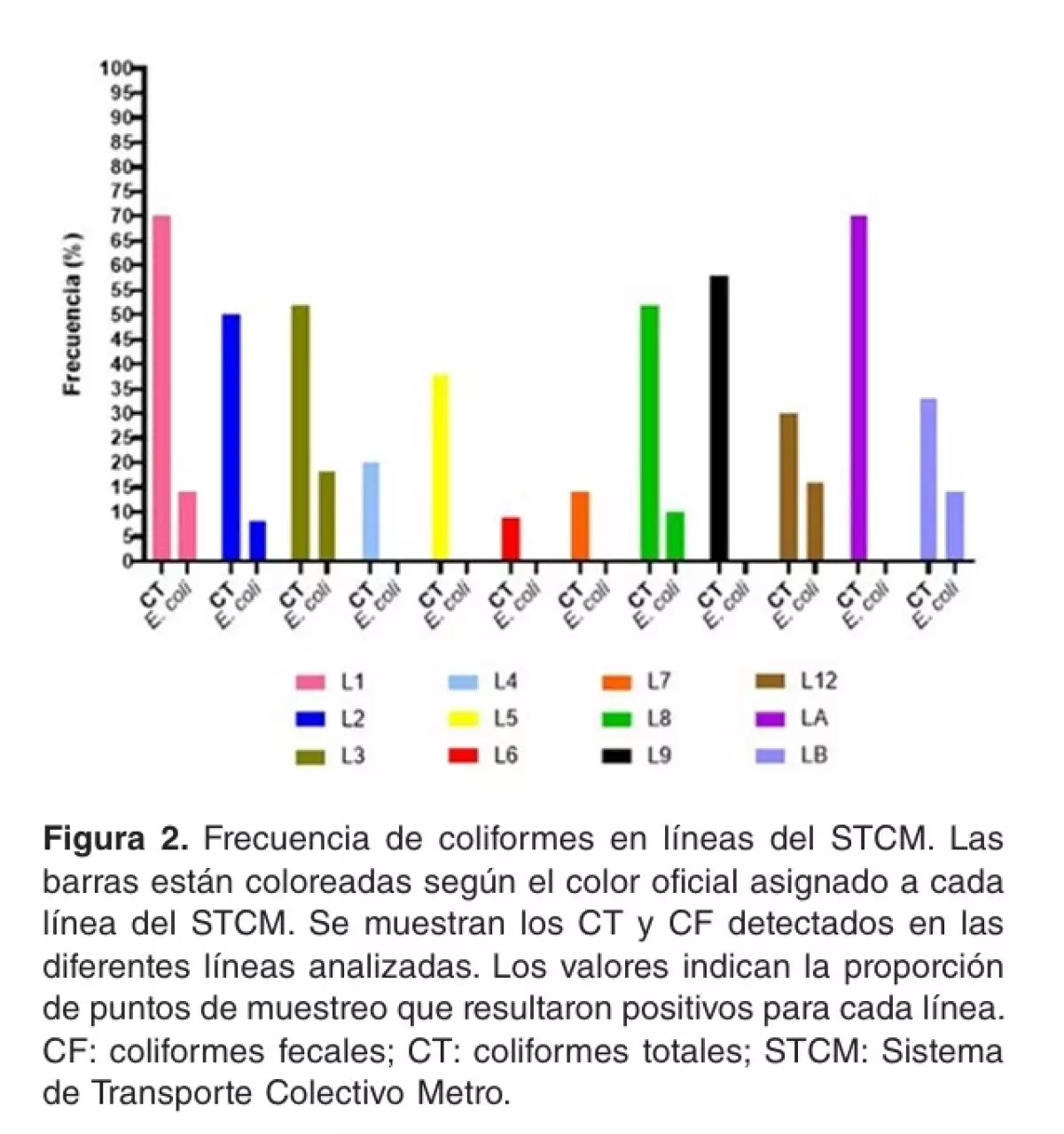
The analyzes found that Enterobacter spp bacteria, Shigella spp., Salmonella spp., Yersinia spp., Klebsiella spp. and E. coli are in 24.8% of the total sampling sites.
As for fecal bacteria, the study indicated that 5% of the analyzed samples found fecal coliforms.
These were bacteria located by stations:
Coliforms
Balbuena
Candelaria
Pantheons
Revolution
Fine arts
Nativitas
Villa de Cortés
University
Copilco
Miguel Ángel de Quevedo
North division
Deportivo March 18
Eduardo Molina
Petroleum Institute
Shrimp
Atlalilco
Squadron 201
SAN JUAN DE LETRÁN
Lomas Estrella
The kings
Santa Marta
San Lázaro
Promoter
Múzquiz
E. coli
Boulevard Puerto Air
Four roads
Military College
Nurseries
Coyoacán
UAM 1
South insurgents
Aztec city
Tepito
Scientists warn that there are no national frameworks for the regulation of hygienic practices that guarantee microbiological quality in informal public road trade. In addition, they mention that it is estimated that in Mexico 23,000 annual cases of gastrointestinal diseases of bacterial etiology are presented.
What are fecal coliforms?
They are bacteria that are in the gastrointestinal tract of people and other animals, which when defecating, leave to look for a place where there are nutrients to survive, according to the Center for Research in Food and Development (CIAD).
The Center and the Ministry of Environment and Natural Resources (Semarnat) indicated that Coliform bacteria do not usually cause disease, however, their presence is related to several pathogens such as Salmonella, Shigella and Vibrio, causing gastroenteritis, dysentery, typhoid and anger.
The bacillus Escherichia coli (E. coli) It is the cause of diarrheal diseases, in addition to other extraintestinal diseases, such as pneumonia, bacteremia and abdominal infections such as spontaneous bacterial peritonitis, according to the National Library of Medicine of the National Health Institutes of the United States (NIH).