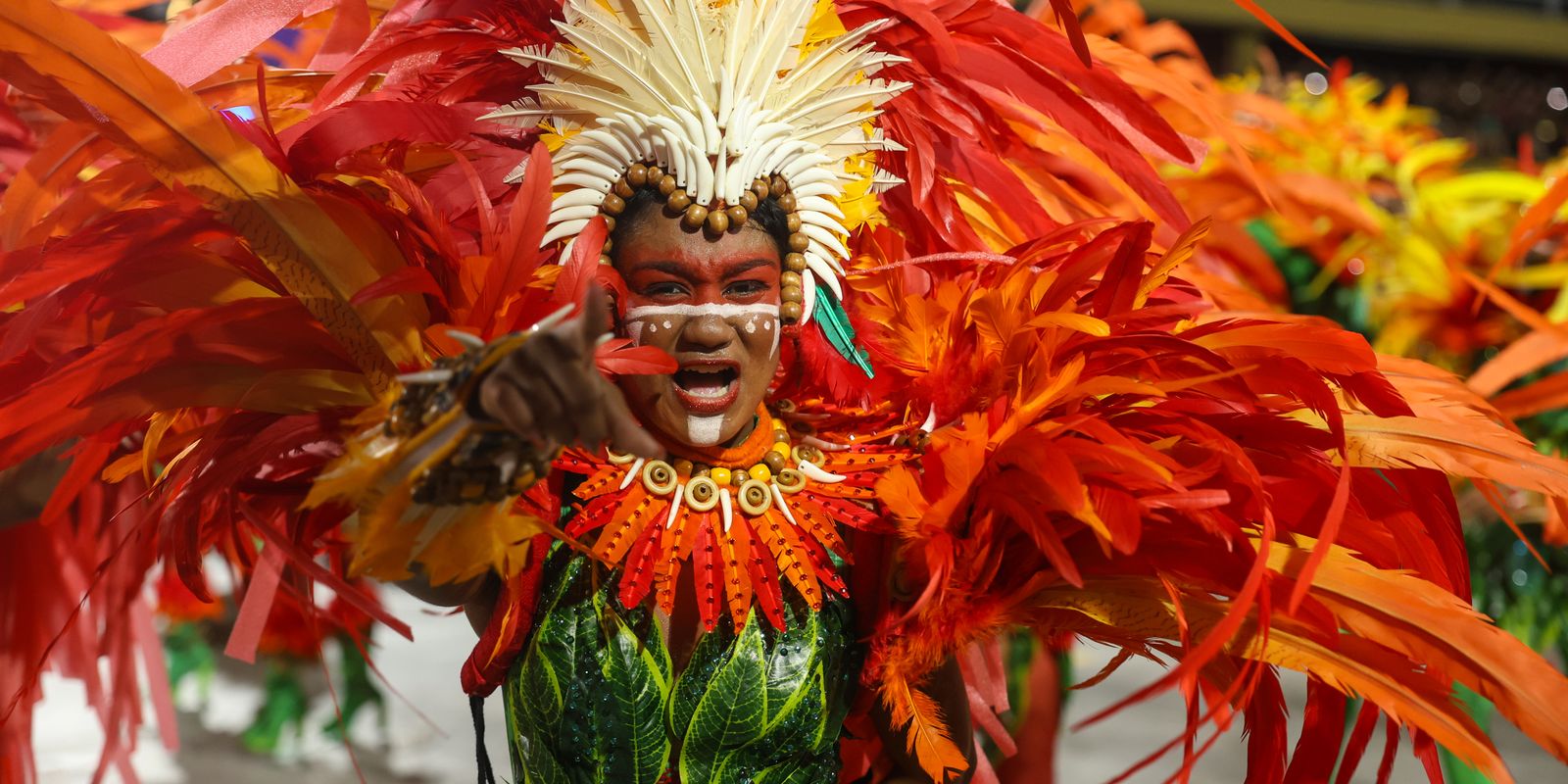
Eight of the 12 plots of the samba schools of the Rio de Janeiro Special Group in 2026 will be biographical and will tell the story of personalities from different artistic and political expressions, exalting the role of these public figures in creating new aesthetic standards, revering black culture and denouncing prejudice.
On the catwalk of those honored, there will be the composer and painter Heitor dos Prazeres (Vila Isabel), the singer Ney Matogrosso (Imperatriz Leopoldinense), the singer and composer Rita Lee (Mocidade Independente de Padre Miguel), the writer Carolina Maria de Jesus (Unidos da Tijuca), and the President of the Republic, Luiz Inácio Lula da Silva (Acadêmicos de Niterói).
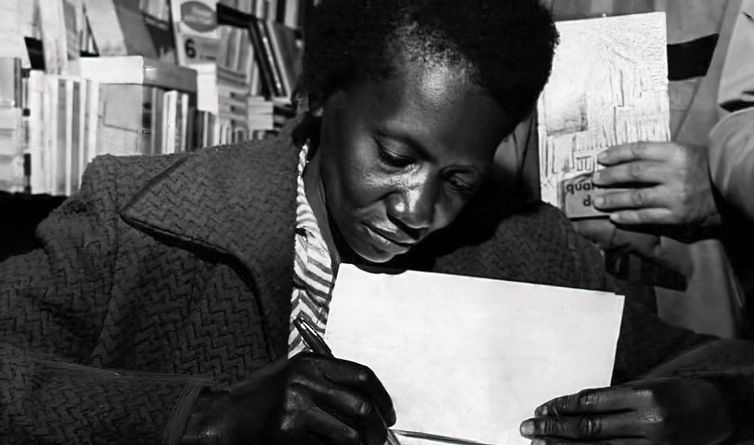
Carolina Maria de Jesus, one of the first black writers in Brazil Photo: CCSP
The carnival artist Rosa Magalhães (Acadêmicos do Salgueiro) and the drum master Moacyr da Silva Pinto, Mestre Ciça (Acadêmicos do Viradouro), are among the illustrious people from the world of samba who will be the themes of plots, which will also exalt black culture telling the story of the Amapá healer Raimundo dos Santos Souza, Mestre Sacaca (Estação Primeira de Mangueira), and the religious leader Custódio Joaquim de Almeida, Prince Custodio of Bará (Portela).
The pantheon of black figures reinforces the set of parades that rescue the history and culture of African origin, as proposed by the plot Lonã Ifá Lukumi (Paraíso do Tuiuti), about the Afro-Cuban religion Santeria; and the plot Bembé do Mercado (Beija-Flor de Nilópolis), regarding religious manifestations in Recôncavo Baiano.
Another school in Baixada Fluminense, Grande Rio, pays tribute to the counterculture musical movement Manguebeat, which emerged in the 1990s in Recife (PE).
Discover the plots of the Samba Schools of the Special Group of Rio de Janeiro
1st day – Sunday (15/2)
- Academics from Niterói – From Alto do Mulungu Hope Arises: Lula, the Worker of Brazil;
- Empress Leopoldinense – Chameleon-like;
- Portela – The Mystery of the Prince of Bará;
- Mangueira First Station – Mestre Sacacá do Encanto Tucuju – the Guardian of the Black Amazon
2nd day – Monday (16/2)
- Independent Youth of Father Miguel – Rita Lee, the Patron Saint of Freedom;
- Hummingbird of Nilópolis – Bembé do Mercado;
- Viradouro Academics – Up, Ciça;
- Unidos da Tijuca – Carolina Maria de Jesus.
3rd day – Tuesday (17/2)
- Tuiuti Paradise – Lonã Ifá Lukumi;
- Unidos de Vila Isabel – Macumbembê, Samborembá: I dreamed that a Sambista dreamed of Africa;
- Grande Rio Academics – The Mangrove Nation;
- Salgueiro Academics – The delirious carnival journey of the teacher who was not afraid of witches, cod or the wooden-legged pirate.
Memory and pedagogy
For sociologist Rodrigo Reduzino, “this expertise of reflecting on reality and bringing what the officialdom does not say is what gave rise to samba schools, with a political statement, since 1928”, he says referring to the year in which the first samba school was created, Deixa Falar, in the Estácio neighborhood (northern zone of Rio).
By honoring figures with disruptive trajectories, rescuing ignored people and recounting forgotten events, the plots of samba schools fulfill pedagogical functions and memories as prescribed in the samba verses. Bedtime story for grown-ups, of the champion parade Mangueira in 2019: “Brazil, my dear / let me tell you / the story that history doesn’t tell / the opposite of the same place / in the fight we meet”.
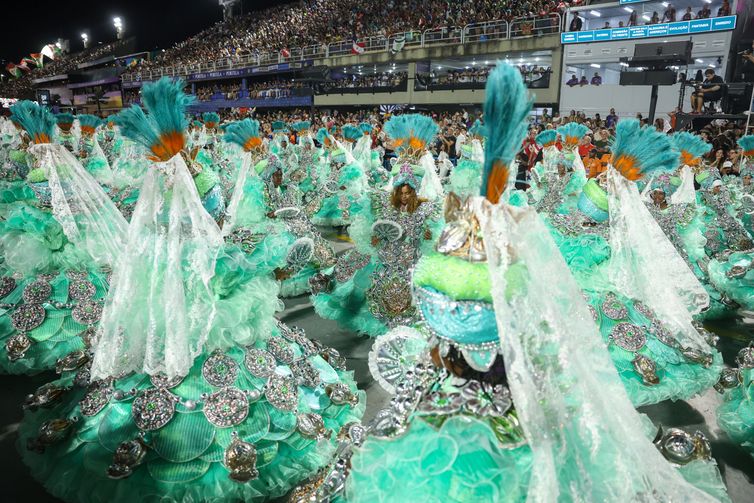
Academics from Greater Rio parades in 2025, on the third day of the Special group’s carnival at Marquês de Sapucaí, in the central region of Rio de Janeiro. Photo: Tomaz Silva/Agência Brasil
Reduzino is currently writing a doctoral thesis on “the plots of freedom”, research that gave rise to the series of the same name on the Globoplay platform. According to him, Even in the 1930s, around 45 years after the Abolition of Slavery (1888), samba schools were already dealing with racial issues in their plots.
Historian Nathalia Sarro, director of the cultural department at Vila Isabel, argues that “the plots of samba schools educate, generate identities and mobilize feelings”.
“The main function of the plot is to move people. And what moves us, what touches us, transforms”, he adds.
The two experts participated in the closing table of the 1st Thematic Symposium “MIS Chama Para Sambar”, promoted in December (9 to 11) by the Museum of Image and Sound of Rio de Janeiro.
A preview of what the parades will be like can be seen for free at the samba schools’ technical rehearsals, which will take place at the end of January and beginning of February next year.
See the schedule of technical tests below
January 30th, from 9pm
- Niterói Academics
- Independent Youth of Father Miguel
- Mangueira First Station
- Unidos da Tijuca
January 31st, from 8pm
- United States of Vila Isabel
- Salgueiro Academics
- Tuiuti Paradise
- Portela
Day 1/2, from 7pm
- Viradouro Academics
- Empress Leopoldinense
- Grande Rio Academics
- Nilópolis Hummingbird
Day 6/2, from 9pm
- Niterói Academics
- Independent Youth of Father Miguel
- Mangueira First Station
- Unidos da Tijuca
Day 7/2, from 6pm
- United States of Vila Isabel
- Salgueiro Academics
- Tuiuti Paradise
- Portela
Sunday (8/2), from 7pm
- Viradouro Academics
- Empress Leopoldinense
- Grande Rio Academics
- Nilópolis Hummingbird
Until 1983, performances on avenues in the city center took place in one day. From 1984 to 2024, at the Sambadrome, the parades began to be divided into two days, generally, on Sundays and Mondays.