He Executive power gave the green light to one of the most relevant labor reforms in terms of financial modernization: the authorization of the payment of salaries and labor obligations through digital wallets.
The measure, made official through the publication of the regulations of Law No. 32413 in the Official Gazette El Peruano, enables this modality as a formal alternative to traditional bank accounts, both in the private and public sectors.
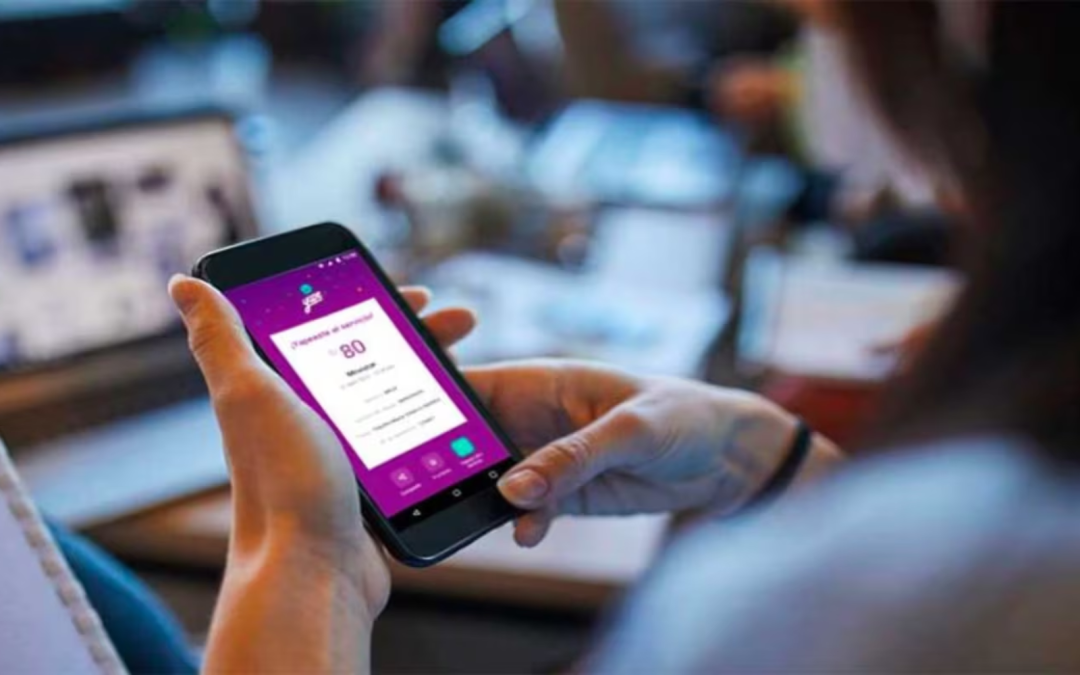
The rule establishes that remunerations, bonuses and other employment benefits may be deposited not only in conventional bank accounts, but also in electronic money accounts linked to digital wallets duly authorized and supervised by the Superintendence of Banking, Insurance and AFP (SBS). Among these platforms are widely used applications such as Yape and Plin, as long as they comply with current regulatory standards.
According to the Ministry of Economy and Finance (MEF), the central objective of the regulation is to expand payment options for workers, strengthen financial inclusion and adapt to the new digital payment habits that are already part of the daily lives of millions of Peruvians.
One of the key points of the regulation is that the worker has the right to choose, in a free and informed manner, the means by which he wishes to receive his monthly remuneration. This decision can fall on both a traditional bank account and an electronic money account associated with a digital wallet.
Furthermore, the rule makes it clear that this choice is not final. The worker can modify his decision at any time during the employment relationship, without restrictions or penalties. If you choose to receive your salary through a digital wallet, you must notify the employer within ten business days of starting the employment relationship, although this period does not limit future changes.
The regulation is emphatic in stating that the employer cannot prevent, condition or delay the worker’s decision. Likewise, the deposit of the salary must be made in full, within the deadlines established by labor legislation and without generating additional costs for the employee.
Secure and supervised payments
To guarantee the security of the system, the rule provides that all operations will be subject to the supervision of the SBS and must be carried out through interoperable digital wallets authorized by the Central Reserve Bank of Peru (BCRP). In this way, the aim is to ensure the traceability of payments, the protection of funds and the stability of the financial system.
The regulation also details the technical and operational requirements that the entities that manage digital wallets must meet, reinforcing control mechanisms and avoiding possible risks for workers.
Progressive implementation in the public sector
In the case of public sector workers, the application of this modality will be progressive, regardless of the labor regime to which they belong. The process will be in charge of the Ministry of Economy and Finance, through the General Directorate of the Public Treasury, which will define the guidelines and deadlines for its implementation.
The rule emphasizes that this right may not be restricted or conditioned, reaffirming the principle of equality in access to digital payment methods.
Peru needs us informed to make decisions. Subscribe for free to the Perú21 newsletter: THE TOP 5 NEWS YOU SHOULD KNOW TODAY. Click on the next link.
RECOMMENDED VIDEO: