The electoral pendulum theorem is relatively known in contemporary political history. It is not an exact science, but it has been fulfilled to a greater or lesser extent, at least since the return to democracy. The conclusion is simple: the opponent to the ruler on duty usually wins the following elections. Alejandro Toledo triumphed in 2001 after embodying the opposition to Alberto Fujimori. Alan García won in 2006 after opposing Toledo himself. Humala did the same in 2011 after rival AgP. PPK criticized Humala and arrived in Palacio. And Pedro Castillo made a magisterial strike to PPK to later win the 2021 elections.
In some cases, these opposition figures even lost the previous elections. A pendular movement that, in a democratic system with some predictability, would obey a certain common sense. And, if we go back more, we could even remember Alan’s opposition to Manuel Ulloa, a performance that catapulted him to the first plans in 1982, with a view to 85. Or FBT’s political cunning not participating in the Constituent Assembly of 1978, thinking in 1980. The exception to the rule seems to be Keiko Fujimori, who perhaps because of the antifujimorist factor in 2016 nor in 2021, despite being opposition to both governments.
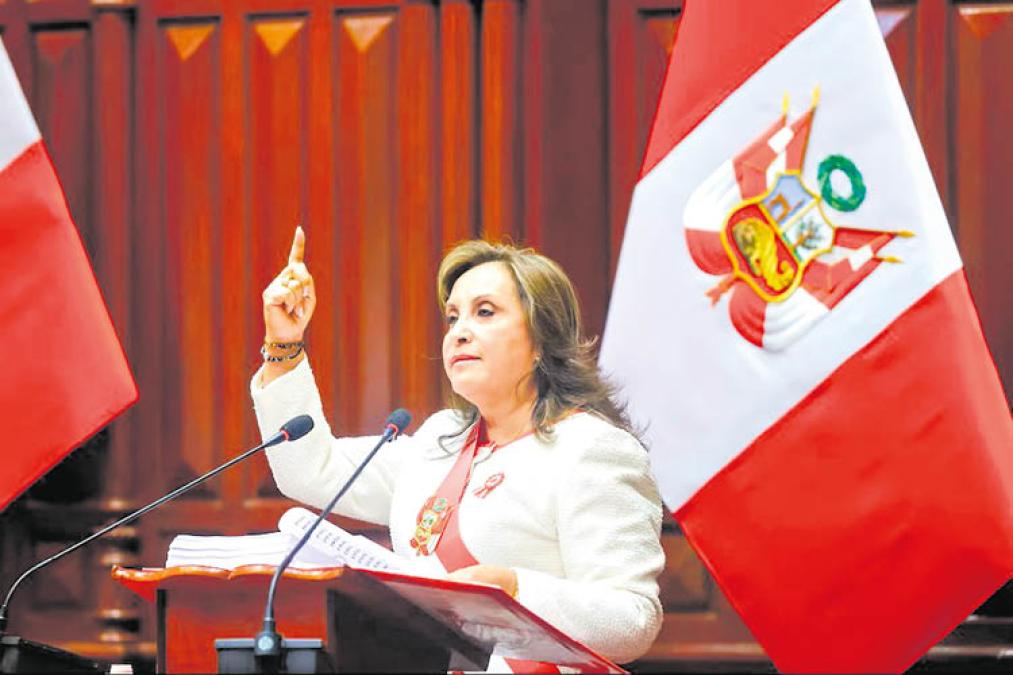
The trend seems clear: the voter usually votes for who criticizes the status quo and leads the opposition to the ruler on duty. And that is why the right applauds the speech of July 28 by Dina Boluarte, defending the most unpopular president of history only for a couple of late phrases against the statist left. A strategic suicide.
Receive your Peru21 by email or by WhatsApp. Subscribe to our enriched digital newspaper. Take advantage of discounts.
Recommended video