Former president Dilma Rousseff will receive, from the Union, compensation of R$400,000 for moral damages, due to political persecution and torture during the military dictatorship in Brazil. The decision was handed down last Thursday (18) by the 6th Panel of the Federal Regional Court of the 1st Region (TRF1), which also determined the payment of monthly economic compensation, due to the dismissal she suffered at the time.
The case’s rapporteur, federal judge João Carlos Mayer Soares, stated that The acts carried out by the State characterize a serious violation of fundamental rights and require compensation for moral damages.
“The submission [de Dilma] to repeated and prolonged acts of political persecution during the military regime, including illegal arrests and systematic practices of physical and psychological torture, perpetrated by state agents, with permanent repercussions on their physical and psychological integrity”, says Soares.
Over the years, the former president gave several statements about the violent interrogations she suffered. The torture against Dilma included electric shocks, sticks, paddles, drowning, nudity and food deprivation, which led to hemorrhages, loss of teeth, among other health consequences.
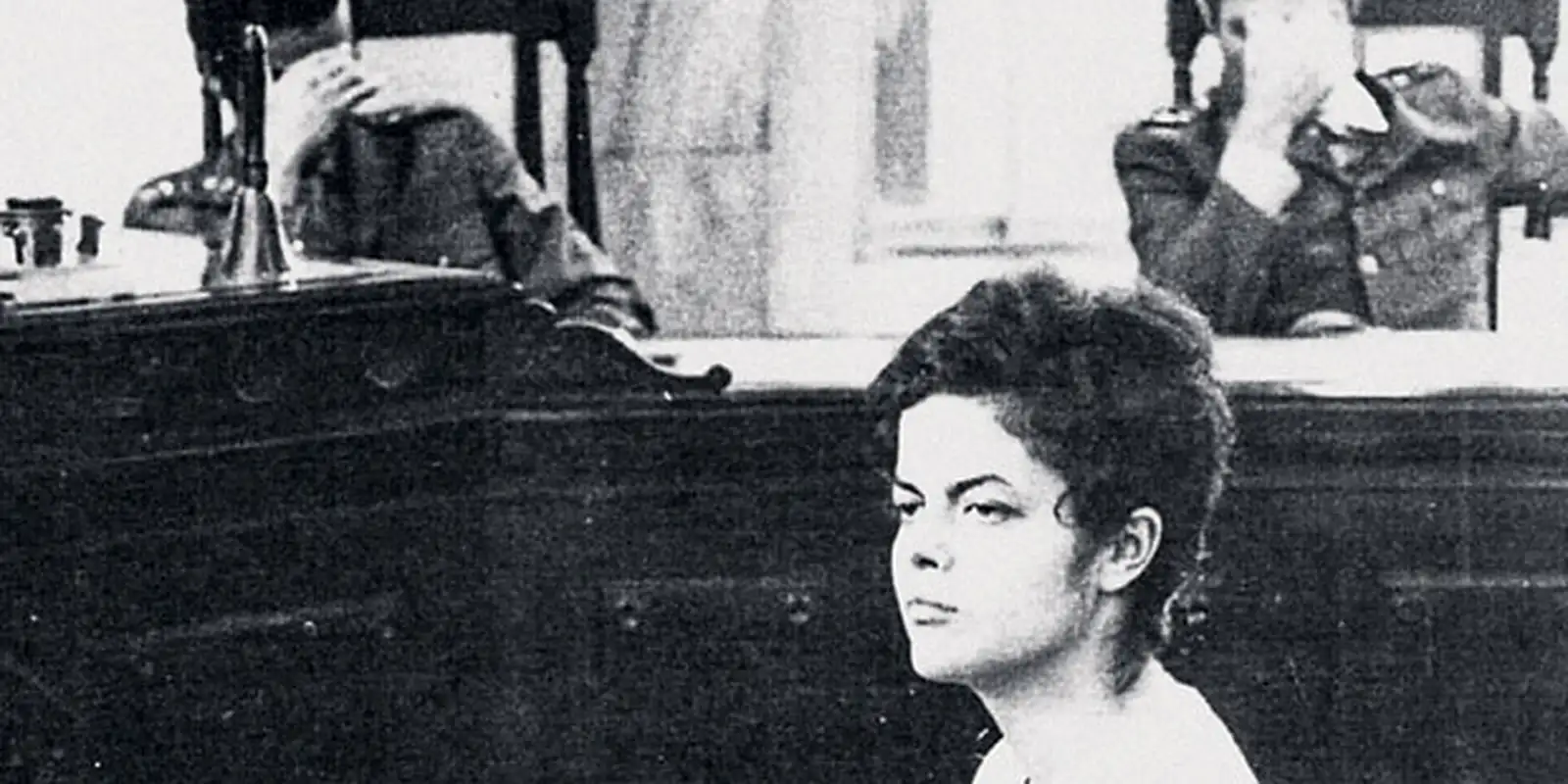
Dilma Rousseff was arrested in 1970, at the age of 22, and spent almost three years in detention, responding to several inquiries at military agencies in São Paulo, Rio de Janeiro and Minas Gerais.
After leaving prison, Dilma moved to Rio Grande do Sul and, in 1975, began working at the state’s Economics and Statistics Foundation (FEE).
She continued to be monitored by the National Information Service (SNI) until the end of 1988 and persecuted for her political stance of criticism and opposition to the military government. In 1977, the Army Minister at the time, Silvio Frota, released a list of what he called “communists infiltrated in the government”, which included Dilma’s name, which led to her dismissal.
According to the federal judge, the value of the monthly, permanent and continuous benefit, to be paid by the Union, must be calculated in such a way as to reflect the remuneration he would have received if he had not been the target of political persecution.

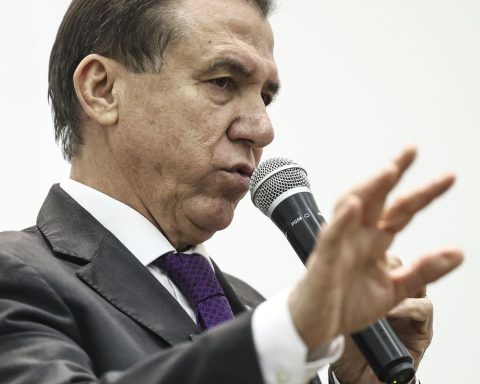
The president of the New Development Bank (NDB), formed by members of Brics, Dilma Rousseff, speaks to the press with the board during the 10th Annual Meeting, in Copacabana. Photo: Fernando Frazão/Agência Brasil
Political amnesty
In May of that year, the Amnesty Commission of the Ministry of Human Rights and Citizenship recognized political amnesty for Dilma Rousseff and also apologized for the acts perpetrated by the Brazilian State during the military dictatorship.
For the collegiate, it was proven that Dilma’s withdrawal from her paid activities, at the time, was due to an exclusively political motivation.
Then, the payment of R$100,000 in economic reparation was determined, in a single installment, which is the payment ceiling provided for in the Constitution for these cases.
However, for the 6th Panel of the TRF1, the monthly, permanent and continuous benefit is guaranteed to amnestied individuals who prove their connection with work activity at the time of political persecution, “impairing the single benefit previously granted at the administrative level”.
After the redemocratization of 1988, the former president also had the status of political amnesty recognized and declared by four state amnesty commissions, in Rio Grande do Sul, Minas Gerais, Rio de Janeiro and São Paulo, receiving other symbolic economic reparations.