The most recent TransUnion report shows that digital fraud is falling in Colombia: At the end of the first half of 2025, it reached 2.3% compared to 3.2% a year ago and 4.2% in 2022. which represents a reduction of half in the last three years.
Read: Credit in recovery: this year it is expected to grow 2.6%
This rate of digital fraud attempts in Colombia is half a percentage point lower than that of Latin America, which stands at 2.8%, and the global rate, which reaches 3.8%.
According to the TransUnion study, the channels most used by scammers to deceive consumers in Colombia were smishing (fraudulent text messages) and vishing (fraudulent phone calls).
The greatest vulnerability
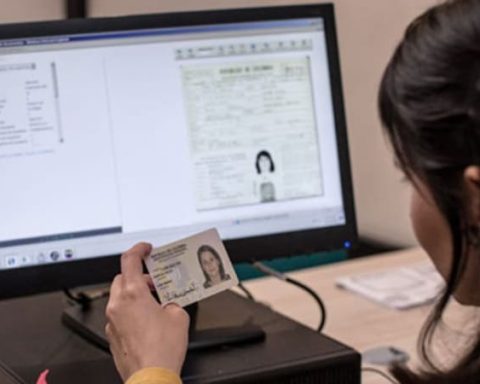
The most critical moment for consumers and where fraudsters most concentrate their attempted fraud attack on Colombians is in the creation of digital accounts with 6.6%, then there are account logins with 3.3% and 0.3% when financial transactions are made.
The total digital fraud attempt rate, taking into account all industries, increased by 24% globally.
iStock
“These trends highlight the growing need to have solid identity verification and fraud prevention strategies from the early stages of digital interaction,” said Diana Martínez, director of Fraud Solutions at TransUnion Colombia. “Consumers continue to be both targets and victims of various fraud schemes. Consumers continue to be both targets and victims of various fraud schemes, and Latin Americans we surveyed pointed out smishing and vishing as the strategies most used by scammers. Prevention strategies must put the consumer at the center, emphasizing the protection of personal information and credentials,” he added.
Digital fraud registers highest rates in the world
Globally, 3.8% of digital transactions were considered suspected of fraud, representing a decrease of 22% compared to the same period in 2024.
According to TransUnion, This reduction reflects the continued effectiveness of fraud prevention strategies and consumer awareness of scammers’ tactics. However, identity-based fraud, driven by the large number of exposed identities and the increasing sophistication of cybercriminals, remains high.
Among the industries analyzed globally, the video game sector recorded the highest percentage of suspected digital fraud attempts in the first half of 2025, reaching 13.5%. This represents a significant 28% increase in the rate of suspected digital fraud attempts compared to the same period in 2024, underscoring the growing vulnerability of this sector to fraudulent activity. In transactions carried out with government entities, the highest percentage of suspected digital fraud attempts were recorded in the first half of 2025, with 8.7%.
In many of the countries analyzed in Latin America, the government sector had the highest rate of suspected digital fraud attempts, with an average increase of 80% compared to the first half of 2024. This trend reflects ongoing efforts by fraudsters to exploit sectors that handle sensitive personal data.

Extortion
EL TIEMPO Archive
“As the risk of consumer scams threatens identity integrity, organizations rely on a combination of data, risk signals, technology and tools to prevent fraud,” Martínez said. “Globally, business leaders rank identity verification, device reputation and behavioral biometrics as the top three fraud prevention technologies,” he added.
According to the headquarters, Companies should also invest in sustained education and awareness campaigns to mitigate schemes such as takeover. Fraud prevention must necessarily be a multifaceted strategy, if businesses and consumers want to stay one step ahead of scammers, whose tactics continue to evolve.
Methodology
TransUnion reached its conclusions on digital fraud based on intelligence from its identity and fraud product portfolio, which helps build trust across channels and delivers efficient consumer experiences: TransUnion TruValidate.

Extortion
PHOTO: iStock
The rate of suspected Digital Fraud attempts reflects those that TransUnion customers determined met one of the following conditions: 1) real-time denial due to fraud indicators, 2) real-time denial for corporate policy violations, 3) fraudulent upon customer investigation, or 4) a corporate policy violation upon customer investigationcompared to all transactions evaluated.
Country and region-specific data included in the report covers Colombia, Botswana, Brazil, Canada, Chile, Costa Rica, Dominican Republic, El Salvador, Guatemala, Honduras, Hong Kong, India, Kenya, Mexico, Namibia, Nicaragua, Philippines, Puerto Rico, Rwanda, South Africa, Spain, United Kingdom, United States and Zambia.