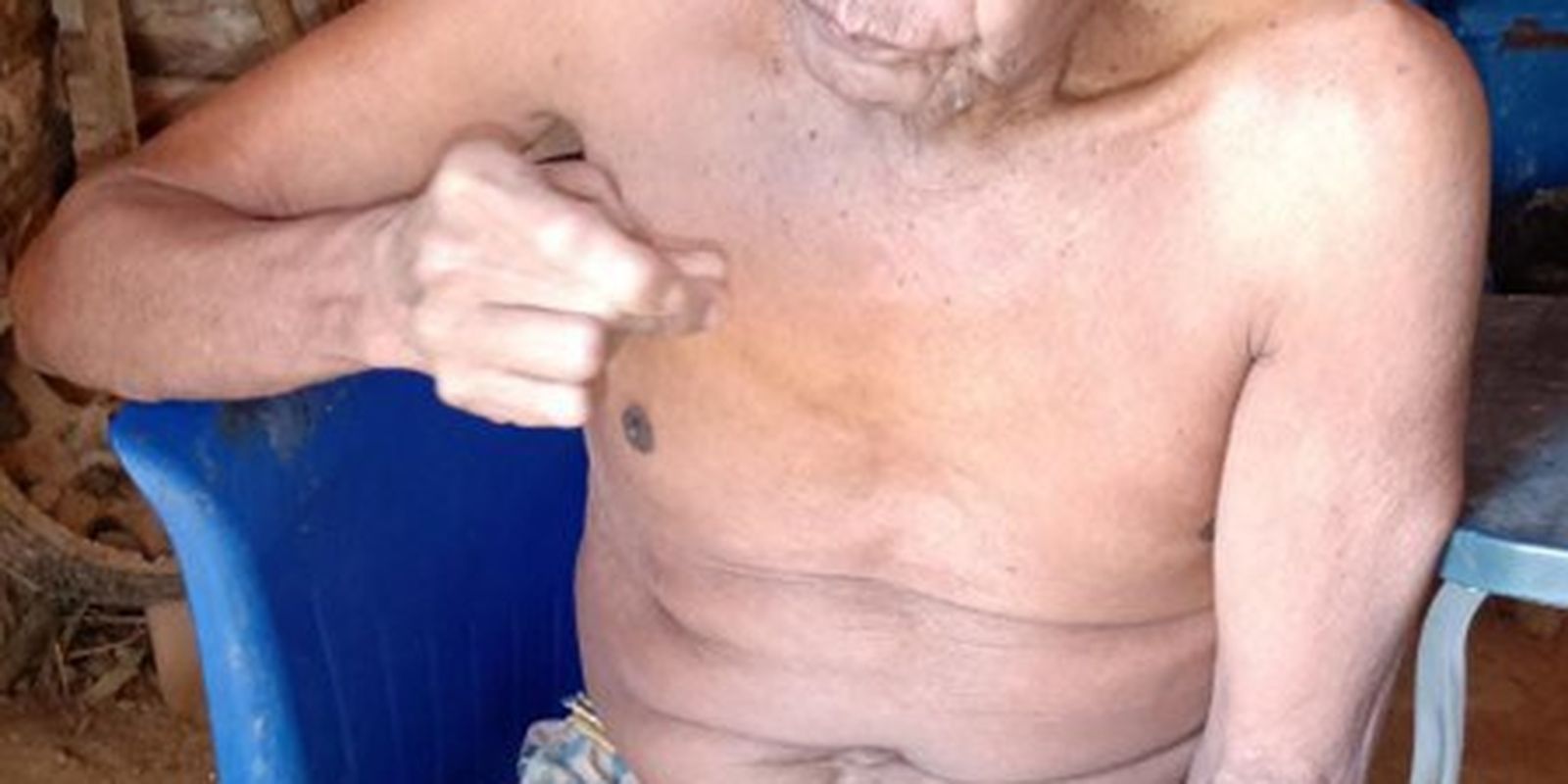
The last survivor of an indigenous people who lived in the state of Maranhão died last Saturday (20). 
Aura, 77, suffered from heart and respiratory failure and died in the municipality of Zé Docaaccording to the National Foundation of Indigenous Peoples (Funai). Aurá’s death marks the end of an isolation and resistance trajectory of a possibly extinct people, according to the institution.
Aurá was seen, for the first time, in 1987, alongside his brother, Aurea. They belonged to an indigenous group that spoke a language resulting from Tupi-Guarani. The brothers had contact with other indigenous peoples, such as the Parakanã, Assurini, Tembé and Awá-Guajá.
Despite attempts at social reintegration and approximation, they rejected communication with other peoples.
Aurea died in 2014. Aurá began to live alone in the Cocal village, in the Alto Turiaçu Indigenous Land, in Maranhão.
Teams from the Maranhão Special Sanitary Sanitary District (DSEI), linked to the Ministry of Health, and the Awá Ethno -Environmental Protection Front, a unit of Funai specializing in the protection of isolated and recent contact, accompanied the indigenous.
In a statement, Funai regrets the death of Aurá and “reinforces the commitment to continue with the work of protection and appreciation of indigenous peoples, especially those in a situation of voluntary isolation or recent contact.”
* With information from Funai