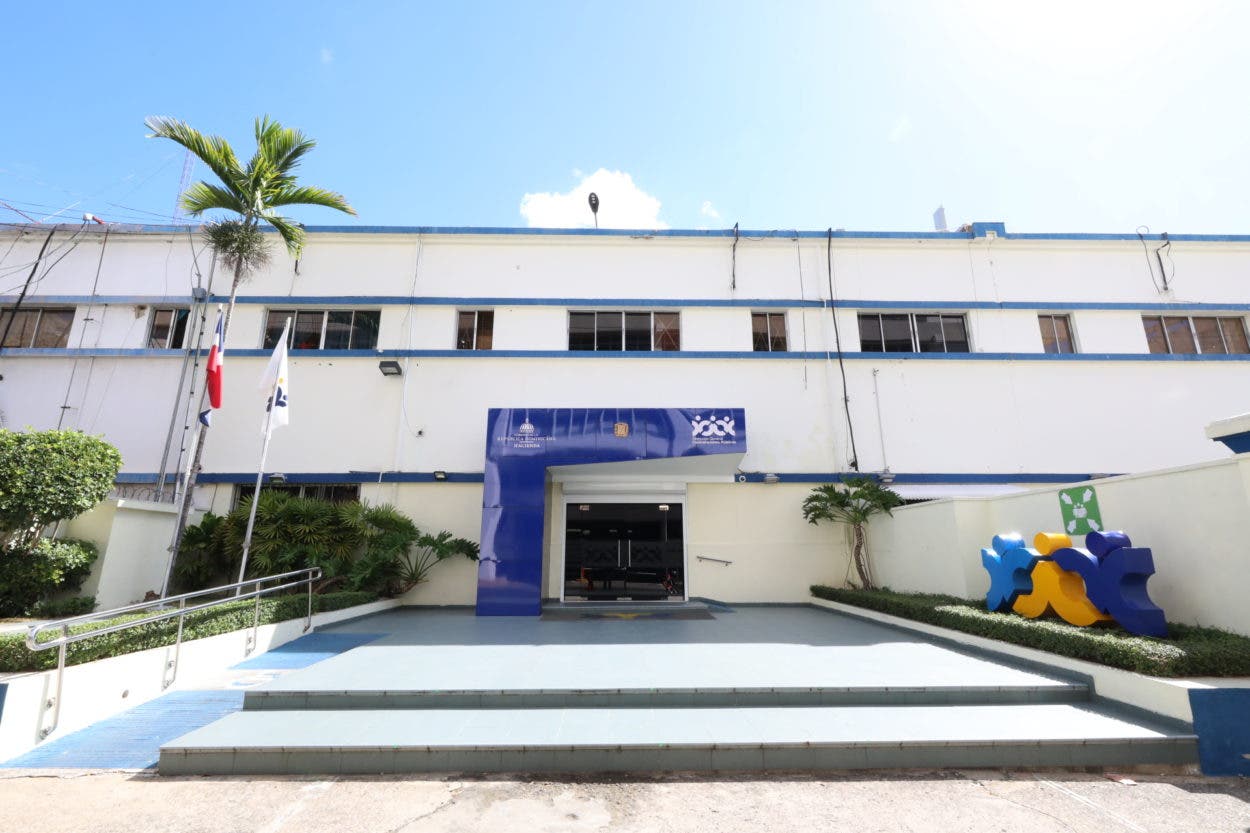
Santo Domingo.– The General Directorate of Public Procurement (DGCP) He assured this Tuesday that the use of the emergency exception modality It does not imply absence of controls or discretion in the processes of acquisition of goods, services and works by State institutions, since the same phases are maintained as in an ordinary process.
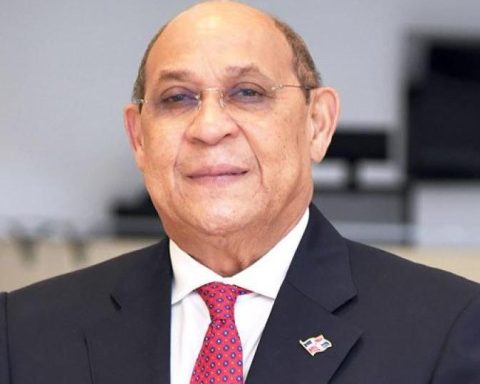
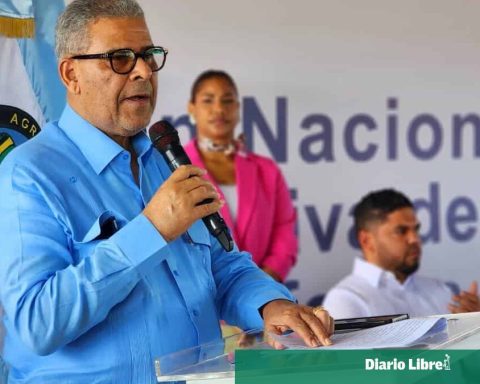
He general director of the DGCP, Carlos Pimentelstated that the agility in emergency situations It must be accompanied by accountability and respect for the regulatory framework.
“Acting quickly does not mean breaking the rules: it means applying them correctly to protect the public interest,” the official highlighted.
You can read: EDUCA reveals that more than 90% of teachers do not use artificial intelligence in their educational work
As explained by the governing body in a press release, the emergency processes They are used in cases in which the State must respond quickly to natural phenomena, health emergencies or situations that compromise the safety and well-being of the population.
Duration and steps of the process
The DGCP explained that this type of procedure lasts approximately 15 to 20 daysfrom the call to the award, and that during that time formal stages must be completed that guarantee traceability, participation, competition, advertising and monitoring.
The process begins with a presidential decree which declares the state of national emergency and authorizes the use of this modality. In this case, it corresponds to Decree 627-25issued after the passage of the Tropical Storm Melissa.
Then, authorized institutions must prepare the purchasing requirementverify the availability of funds and submit it to the Purchasing and Contracting Committee for its organization and execution. Subsequently, it prepares and approves the specificationswith technical specifications and evaluation criteria, which are published in the Electronic Public Procurement System (SECP).
Once the technical and economic offers have been received, they are processed. evaluation and adjudication according to the established criteria, and finally the contract is signed and registered with the Comptroller General of the Republic.
Guarantee of participation and control
“Institutions can define minimum deadlines between publication and presentation of offers“, always guaranteeing participation and competition,” said the DGCP, emphasizing that the evaluation, award and registration of the contract are the direct responsibility of the contracting entity.
Finally, the institution reiterated its commitment to transparency:
“At the DGCP we continue working to strengthen institutional capacities, promote transparency and ensure that each contracting process, ordinary or exceptional, is carried out with integrity and for the benefit of Dominican citizens,” the statement concluded.