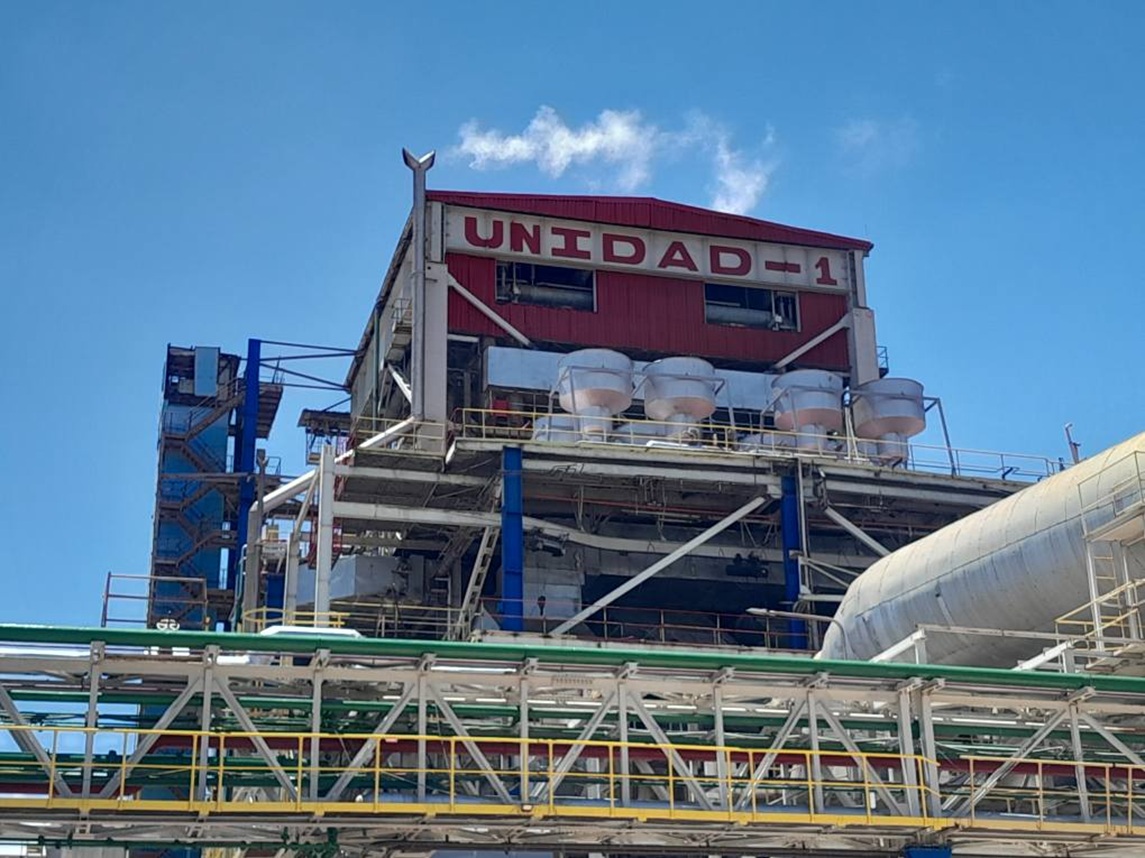
The line outage of unit 1 of the Felton thermoelectric plant due to a “condenser breakdown” further complicates the panorama of the National Electric System (SEN)which has accumulated uninterrupted effects for more than 24 hours and foresees a deficit close to 2 thousand MW during peak hours.
In its most recent partthe Electrical Union reported that, as a result of this and other incidents, the maximum impact on Wednesday reached 1,770 MW, while for tonight a deficit of 1,915 MW is estimated, even with the possible entry of 35 MW from unit 3 of the CTE Renté, according to the entity.
According to the UNE, several thermal units remain out of service due to breakdowns and maintenance, with 699 MW unavailable, to which are added 1,146 MW affected by lack of fuel and lubricants.
In contrast, the 37 photovoltaic solar parks contributed 2,872 MWh, with a peak of 563 MW, which partially alleviated the deficit during daytime hours.
This week three new ones came into operation solar parks photovoltaics, which bring the total in operation to 37. The units increase the contribution of renewable energy to the National Electric System (SEN), but the impacts on the service continue to be high.
Three new solar parks enter the system while the electricity deficit remains
The government plan planned to install 51 solar parks of 21.8 MW in 2025, of which 32 were already operational and synchronized with the national electricity grid in October.
Almost at the end of 2025, installations began in the municipality of Cueto, in the province of Holguín, of the first Energy Storage System (BESS), a technology that will seek to provide greater stability to the National Electroenergy System in the midst of the crisis that the country is going through.
The island has been suffering an acute energy crisis since the summer of 2024 due to structural factors such as the State’s lack of foreign currency to import enough oil and the frequent breakdowns of its obsolete thermoelectric plants.
Added to this is US pressure on Caracas to completely cut off the supply of crude oil to Havana, when Venezuela contributed around a third of the island’s needs in 2025.
Currently, six of the 16 operational thermoelectric production units are out of service due to breakdowns or maintenance. This energy source represents on average around 40% of the energy mix in Cuba.
For its part, the Cuban Government points out the impact of US sanctions on this industry and accuses Washington of “energy asphyxiation.”
Prolonged daily blackouts weigh on the economy, which has contracted more than 15% since 2020, according to official figures.