The most recent report of Human Rights of Venezuela in motion, 27J: Falling standardizationcovers the period between June and August 2025, continuing the documentation of democratic deterioration in the country.
Far from stabilizing the political landscape, the municipal elections of July 27 only served to deepen the complex democratic emergency and confirm a new episode of the Venezuelan democratic simulation.
Repression is not circumstantialbut a sustained strategy of political control.
Electoral fiction
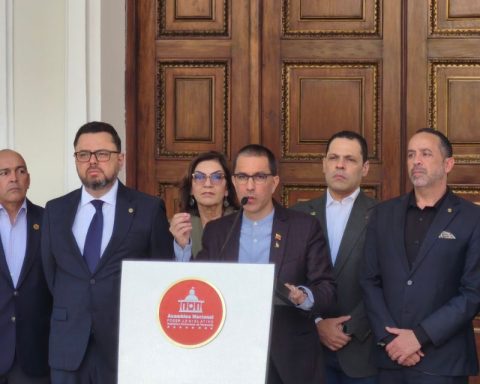
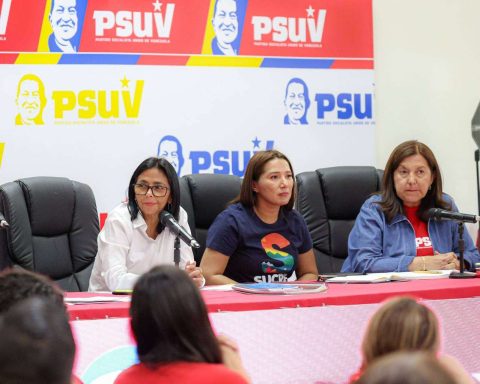
The call advanced to elections, including municipal ones, sought to project before the international community an image of “democratic normality”, after the presidential fraud of 2024. However, the process was configured as a “drill” that consolidated a scheme of “unpublished elections”, with lack of guarantees and absence of international observation.
The real participation, calculated on the total electoral record, was only 29%, the lowest historical figure for municipal elections. Despite this low participation, the ruling party obtained 85% of the mayors in dispute.
Drug trafficking: a structural pillar of power
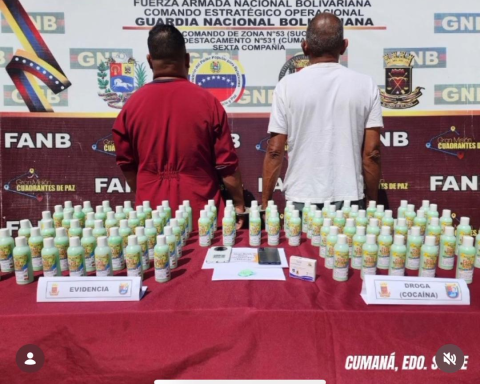
The report emphasizes that drug trafficking has established itself as an illicit economy of great magnitude, which finances and supports the structure of political-military power.
According to Transparency Venezuela and UNODC, almost 24% of world cocaine traveled in the country in 2023, generating revenues exceeding 8,185 million dollars in 2024.
High civil and military authorities are allegedly linked to the Los Soles poster, which converts this criminal activity into a factor of systematic human rights violations.
Militarization and response to the United States
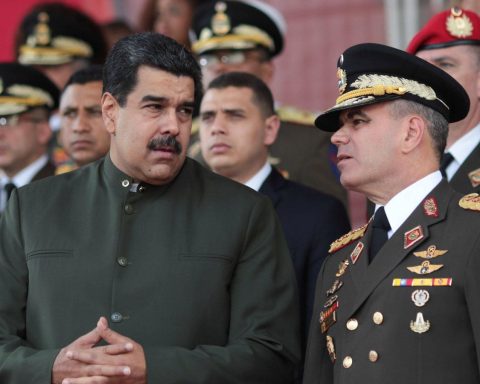
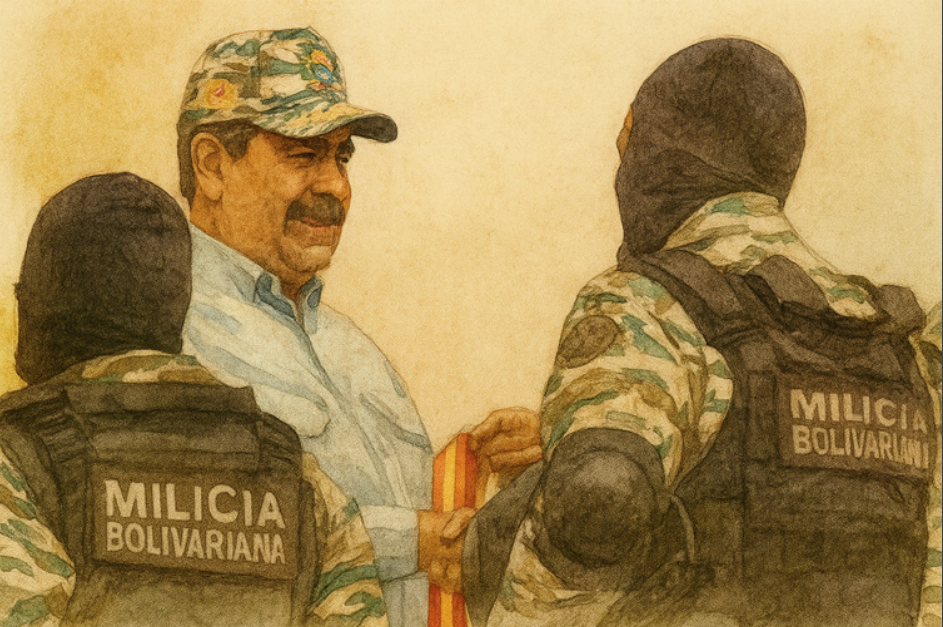
In the face of the anti -drug operation deployed by the United States in the Caribbean, which included lethal attacks against Venezuelan vessels with a balance of 14 dead people, the Government activated the Independence Plan 200. This plan implies the militarization of social life, integrating the Bolivarian militia, police bodies and civil combatants in 284 deployment fronts.
The strategy seeks to strengthen internal control and legitimize government leadership invoking the narrative of the “imperialist aggression.”
Forced clandestinity of civic space
The civic space experienced an accelerated closure, documenting 167 violations of freedom of expression between January and August 2025, including 24 arrests of journalists and citizens.
The “forced semiclandstinity” has been consolidated, where parties, NGOs and unions operate under constant harassment, without physical headquarters or public spokespersons, seeking to protect the integrity of its members. This state terrorism pattern seeks to inhibit protest and fragment dissent.
Examples of symbolic repression
A concrete example of disproportionate use of criminal law to punish dissent is 10 years in prison against young Genesis Pabón and Rocío Rodríguez. Both were sentenced for stamping a shirt with a graphic motive of a political nature, an act that is covered by international standards of freedom of expression.
This severe sanction is not related to the nature of the act, but to a social control strategy to generate an “exemplary effect” and shield official symbols.
Arbitrary arrests and hostage diplomacy
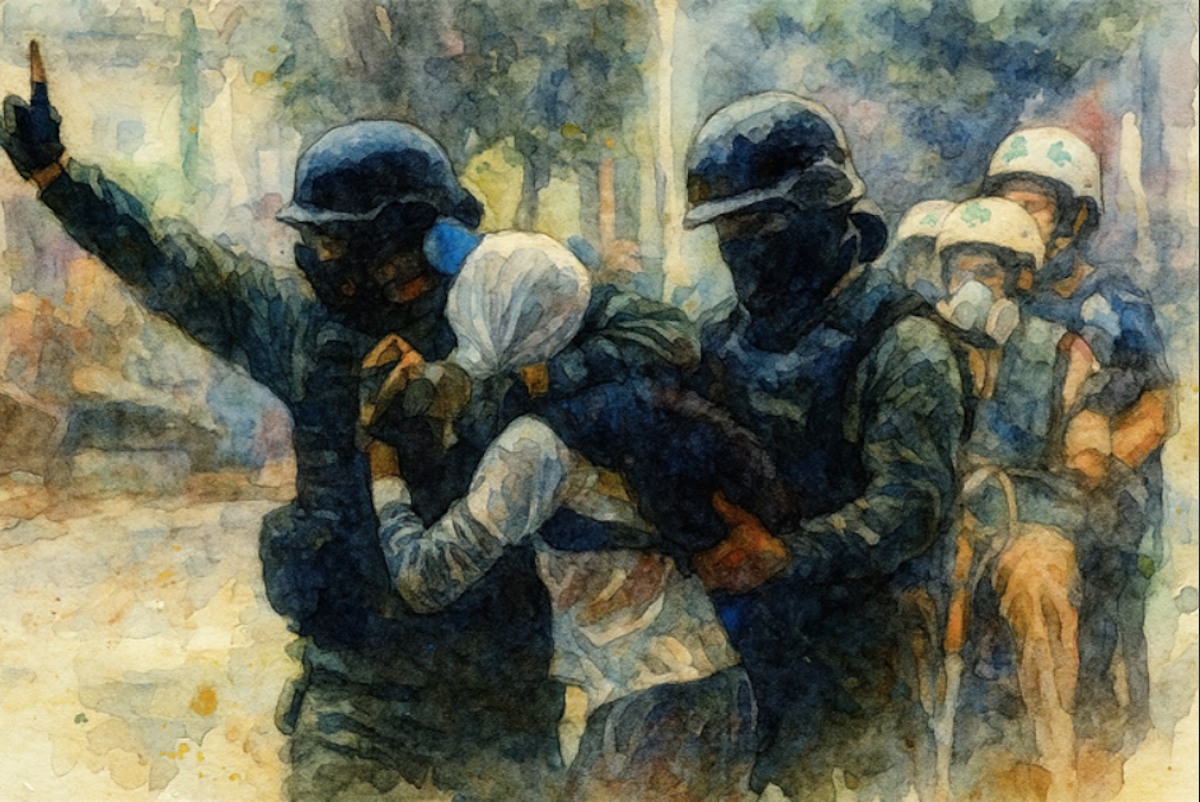
Between June and August 2025, 71 arbitrary arrests were documented for political reasons, of which 63% were against political party militants.
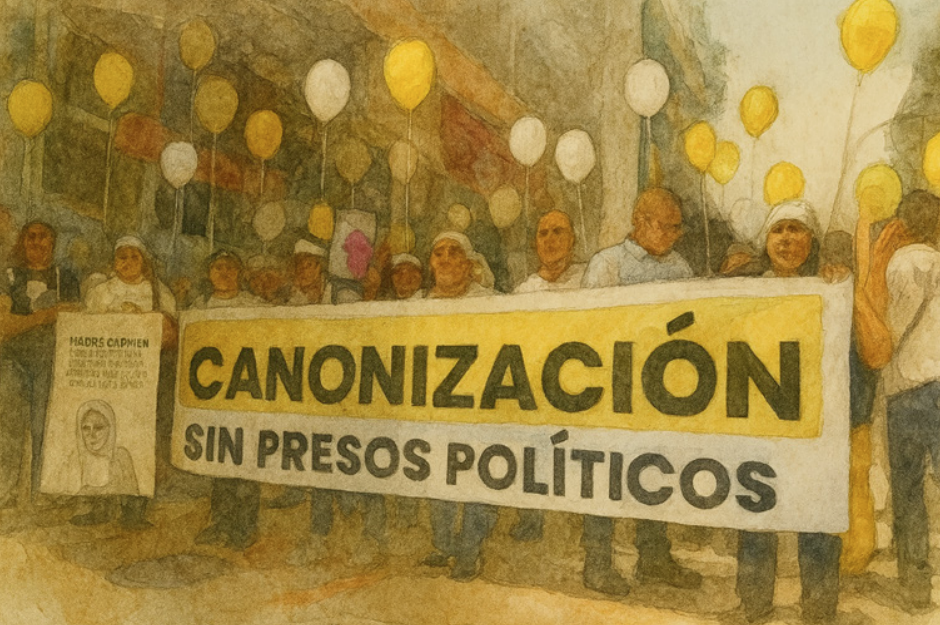
By September 2025, 1,056 political prisoners were confirmed, including 41 foreigners and 48 binationals, who are used as “negotiation sheets” or “hostage diplomacy”. This pattern of instrumentalization of people, including relatives of opponents, seeks to obtain diplomatic benefits or extortion external actors, constituting a flagrant violation of rights.
Forced disappearances of short duration
Another social control device is the forced disappearance of short duration: 45% of the arbitrary arrests documented in the period involved it. This practice, although brief, brings together all the elements of a forced disappearance according to international law and seeks to psychologically break the victims and intimidate their relatives.
The objective is to paralyze social action and consolidate a culture of submission against state arbitrariness.
The persistent migratory crisis
The human mobility crisis remains critical, with 6.87 million Venezuelans displaced in 17 Latin American countries in mid -2025. An alarming phenomenon is “reverse migration”: more than 14,000 people were forced to return south from the United States and Mexico due to restrictive immigration policies.
In the European Union, 49,000 Venezuelans requested asylum in the first half of 2025, but only 0.02% obtained formal refugee recognition, forcing many to subsist with limited humanitarian permits.
Repression as a state policy
The reports of the report show that instead of normalization, Venezuela maintains a state policy of systematic repression and coordination between civil and military institutions.
The electoral simulation, the capture of the State for illicit economies such as drug trafficking, the closure of civic space and the systematic use of arrests and forced disappearances, are patterns that persist. These documented facts fulfill the criteria established by international law to be considered crimes against humanity, urging the international community to maintain pressure and accompaniment.