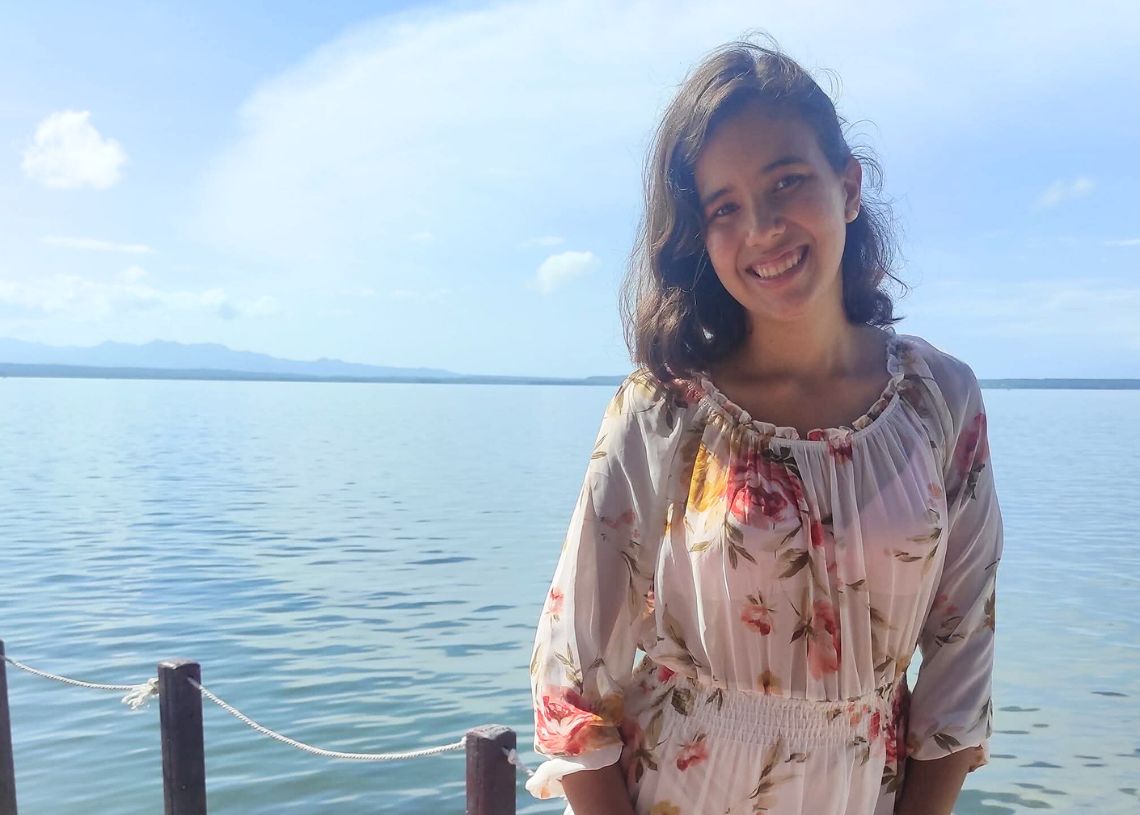
Dailene is 30 years old. That is what his birth certificate attests. Her physique and character are those of a much younger woman. She is lively, smiling, given to reading and sharing poems and, judging by her multiple occupations, a dedicated worker. Professor at the Faculty of Communication at the University of Havana since 2019, a journalist specialized in cultural issues and with gender/feminist approaches, she is becoming a reference name among us in the exercise of what García Márquez classified as the best job in the world: journalism.
At the beginning of his career he collaborated with We are young, Alma mater, Technical Youth and The Bearded Caimanall Cuban media. In this last publication she has also carried out responsibilities as editor.
In 2020 she was awarded the Rubén Martínez Villena National Cultural Journalism Award for the text “Witch Wisdom”. In 2023 he won the Hipermedia Press Prize of the 26 de Julio Contest for the profile “Poetry was always a bankrupt business”, about the poet Antonio Herrada. And so, year after year, his name appears mentioned in contests of different genres and journalistic media.
The exchange we had, between one year and another—the blackouts, the parties, the end of the year—was not easy. She doesn’t think she deserves this “attention” from me. I convinced her with the argument that “De otro costal” is not exclusively dedicated to communicating about artists and established personalities in various fields, but also to highlight the buds of the new, to the thriving generations that are already taking a step beyond the “promise” rhetoric.
Without further ado, this is what we told ourselves:
You were born in Holguín in 1996. When and under what circumstances did you move to Havana?
Havana was always a city that attracted, although I was not the main one dazzled.
I arrived with my mother in 2016. Partly motivated by the enthusiasm around the Faculty of Communication (FCom) and a large part by family plans. I came to love Havana when I started walking around it, in 2020. Before, it was more of a few fragments that I loved; much later and very slowly it became home to me.
You studied Journalism at the University of Havana, and you graduated in 2019. What were those years of learning like? Memorable teachers?
I had the joy of studying in Holguín and Havana, that’s why on my map there are indelible names like Petra, Ivón, Rafael, Carlos there in Holguín, and so many others in Havana. I start with Rafael Grillo, with whom I learned to love the chronicle even more, but also Williams Tolentino, Dagmar, Masjuán, Fide…
Were you on a scholarship?
I was on a scholarship for a year. The scholarship in F and 3rd was a memorable experience. It was dawn and from the bunk I had the blue image of the sea; an immense joy to feel so close to the coast, with its salty calm and its winds. The scholarship was also the challenge of climbing 22 flights of stairs and building close friendships. I note here Raul Escalona, who since those years is considered my blue unicorn.
What would be the strengths to highlight in the study plans you received? And its insufficiencies?
A strength of our study plan is, without a doubt, the inclusion of subjects related to Art History, Literature, History… The insufficiency could be that not enough thought is given to an approach that develops critical thinking, and many times it remained reproductive.
The same year you receive your degree, you begin to work as a professor at the Faculty of Communication. How did you face that challenge? You were then 23 years old, and the appearance of a much younger girl. What did you do so that the students saw you as a teacher and not as one of the group?
It is a complex process. I try to be kind without erasing boundaries. That’s my style.
In several entries on your resume you mention the word “moonlighting.” Does this mean that you took on jobs in media outlets like Rebel Youth and The Bearded Caiman without abandoning your teaching work?
Yes, especially during the pandemic when I was working remotely. Every week there was a new installment of “Jr Podcast: more than paper”, which brought a couple of joys, such as the Antonio Lloga in Memoriam Award, and the joy of including extremely interesting people, such as Lorenzo Lunar, Dachelys Valdés, Juliette Massip. The story of the latter and her niece was my best accomplished work, and the most curious, done from home, taking their experiences as doctors in a pandemic.
At the same time, he began to publish profiles and narrative interviews in The Bearded Caiman. As time went by I had to prioritize some facet and I continued only with the Faculty and The Caiman… But there was a stage when I made podcasts, profiles and taught classes.
In 2022 you graduate from the narrative workshop at the Onelio Jorge Cardoso Center. What does knowledge of narrative techniques provide to a journalist?
Narrative journalism needs narrative techniques: it is the opportunity to tell a story of reality, to take life as a story and, in the process, make more interesting journalism. As long as it is based on rigorous research, experimentation with style is permitted. In fact, a text that has identity, life, that is not the repetition of an idea, but rather an exploration of its own, will always attract more.
Have you ever committed poems?
I prefer to read them and dedicate them.
You have several journalism awards, both in the written press and in the hypermedia press. Isn’t there a basic flaw in the term “written press”? Wasn’t every journalistic work, regardless of the medium that disseminates it, first written in any of the known genres? Isn’t screenwriting a scriptural exercise?
It is very true. Another variant would be “printed press”, but many of these works and publications are not printed, so it does not solve the semantic problem either.
Among all the recognitions received for your journalistic work, which one has the greatest significance for you, either because of the importance of the award, because of the subject matter or because you believe that in the indicated text you reached a high degree of professional achievement?
All the awards I received for “The Night of Life”, a profile dedicated to Haydee Santamaría. I am interested in knowing more about Cuban women, our history. There are Mariblanca, Ofelia, Dámasa and also a little later Haydee, Vilma, Celia.
It is interesting to know the participation of women in Cuba: their struggles, conquests, contradictions, limitations. Knowing that we come from a tradition of feminist struggle, that there were women who inhabited this country a century ago and worked tirelessly to make it better. Women with passionate and independent lives in a more complex context.
Investigating Haydee’s life was an attempt at a profile where the historical aspect is delved deeper. It turned out to be a constant discovery.
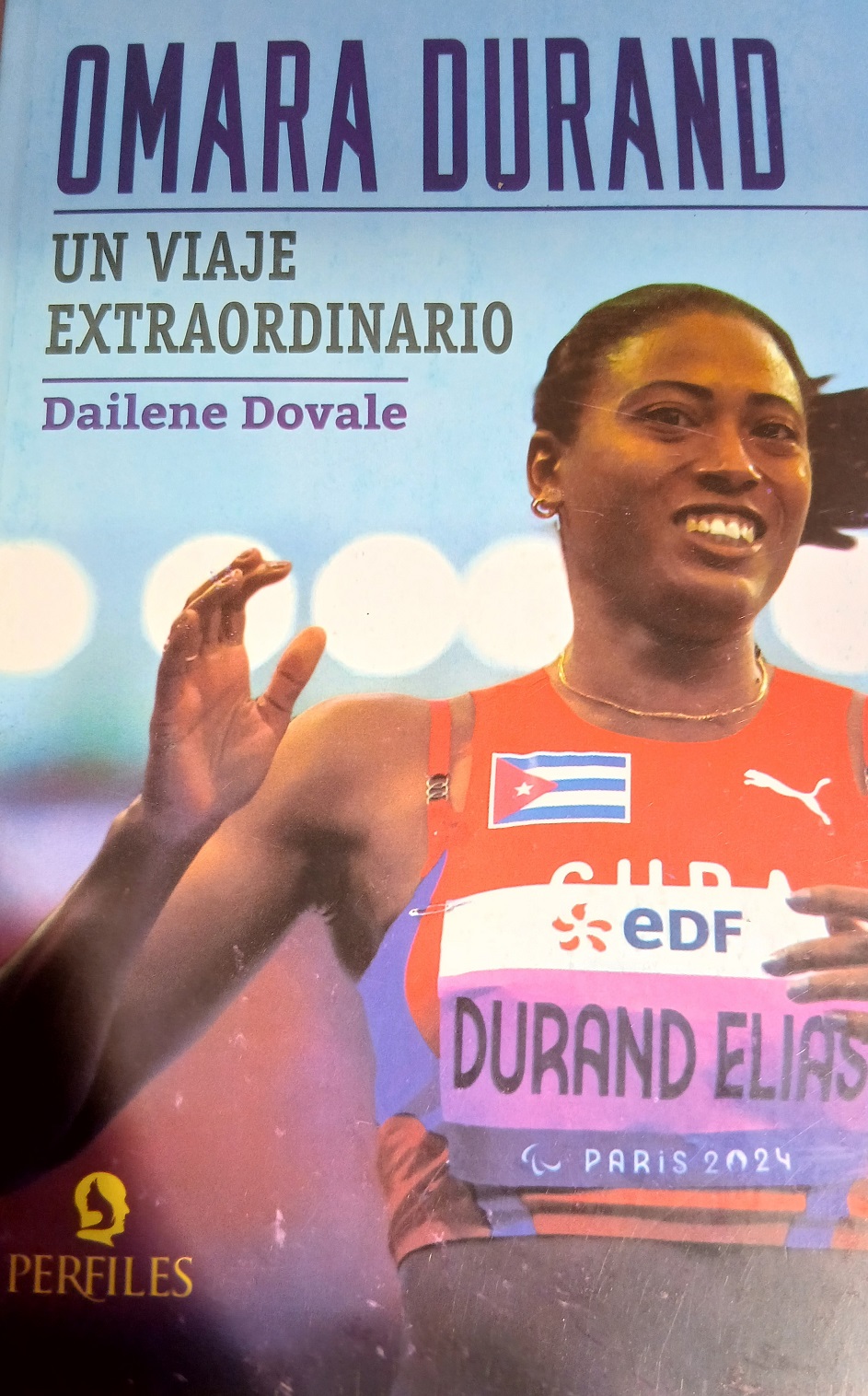
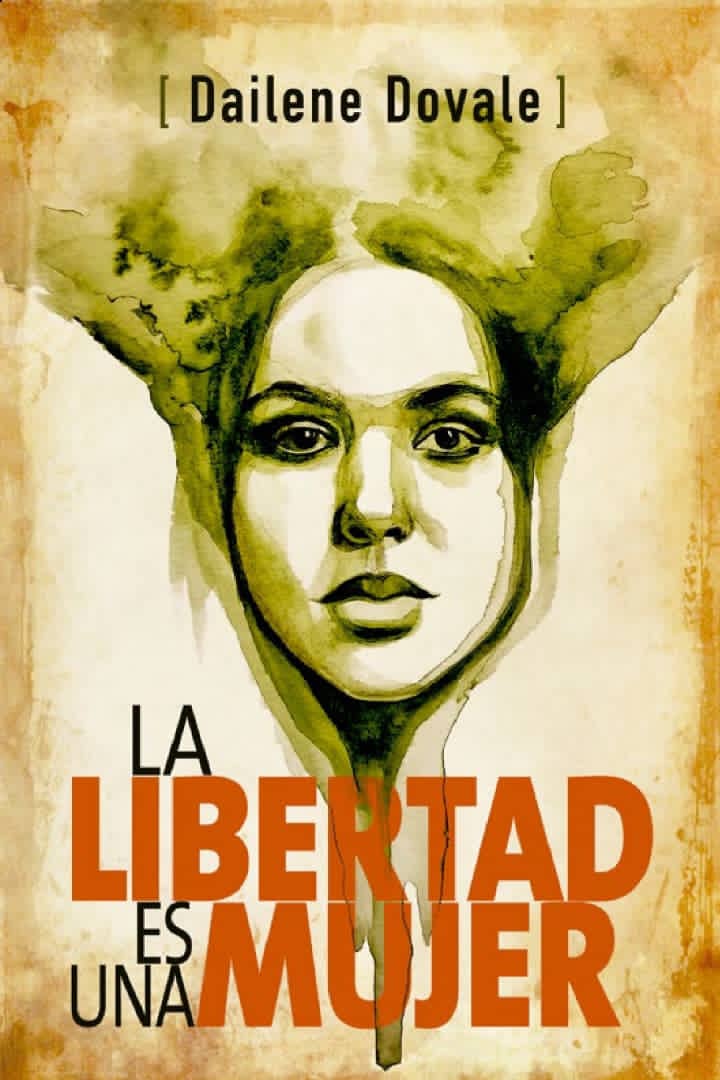
Casa de las Américas turned out to be a favorable space for the search. Talking with those who have investigated her life, with those who worked with her and admired her, but in particular reading her own ideas was an important change. From there came the opportunity for my first (digital) book, “Freedom is a Woman” and some time later the possibility of writing about the athlete Omara Durand for a volume that was presented at the last Havana International Book Fair.
Let’s talk about feminism, a topic that is close to you. Are you a feminist? Since when?
Yes. I cannot specify an exact moment, but I do remember Isabel Moya’s television statements, more than ten years ago, as small awakenings.
Have you suffered – in your family, in your relationships or from society – acts of machismo?
It is almost impossible not to have experienced or reproduced some form of sexist behavior. A clear example lies in the way we distribute care.
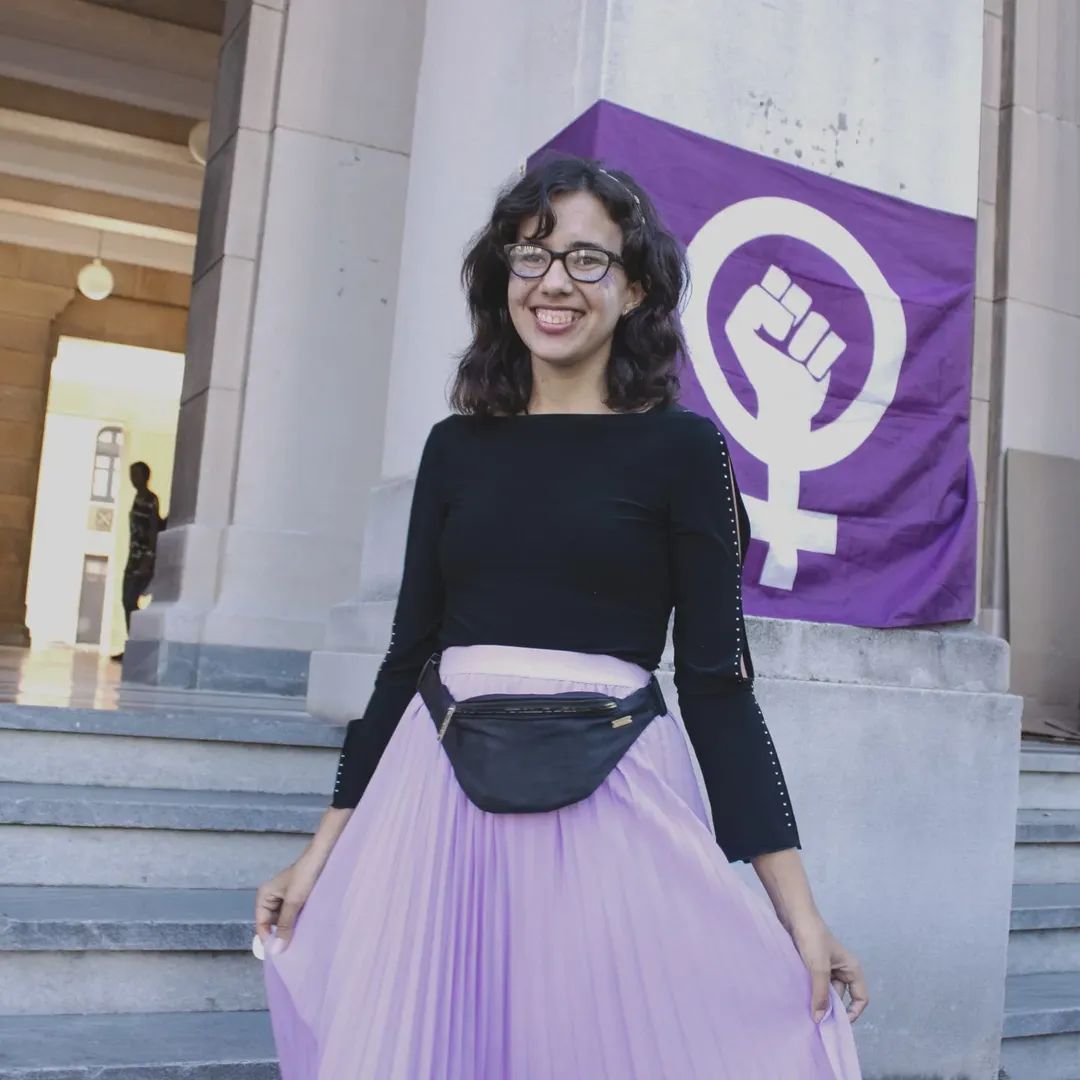
Among all the currents that contribute to feminism, which one do you feel most related to?
Feminisms indicate a constant position of wanting to change and build a different way of being. In that sense, I identify more with anti-capitalist, decolonial and popular feminisms. Although it is always important to look for common points within that diversity.
When did the first manifestations of feminism take place in Cuba? In the Republican era, was a movement structured around this concept?
We have precursors in the 19th century, but it is in the 20th century where a movement is articulated with more force. The fight for suffrage takes place, the first (1923), second (1925) and third (1939) National Congress of Women takes place, with topics such as the participation of women in the sciences, the arts, the rights of illegitimate children, their role in politics. There were magazines and publications, such as the column “Feminist Campaign”, by Ofelia Rodríguez Acosta, where she denounced and debated all social problems from a feminist perspective. Writing was a way to build a common sense, to defend oneself from myths about feminism (still present today).
What role did feminist journalists play in the dissemination of this school of thought?
Dámasa Jova Baró, for example, was one of the colleagues who pointed out how racial and gender discrimination particularly affected black women. Rodríguez Acosta, in her column, denounced class inequalities and the enormous differences between rich and working women. In a similar sense, Mariblanca Sabas Alomá pointed out the hypocrisies in Christian morality and, along the way, was considered the champion of feminism.
Is there a feminist consciousness in Cuba today?
There are spaces, activisms where there is a feminist consciousness. It is not the most generalized imagination.
Is Cuba still a patriarchal society?
Absolutely.
From your point of view, as an academic and as an active journalist, what should be done to improve the level of journalism in our country?
Tell reality better, especially in a way that includes, with honesty and respect, all people; a narrative that does not impose stereotypes or prejudices.
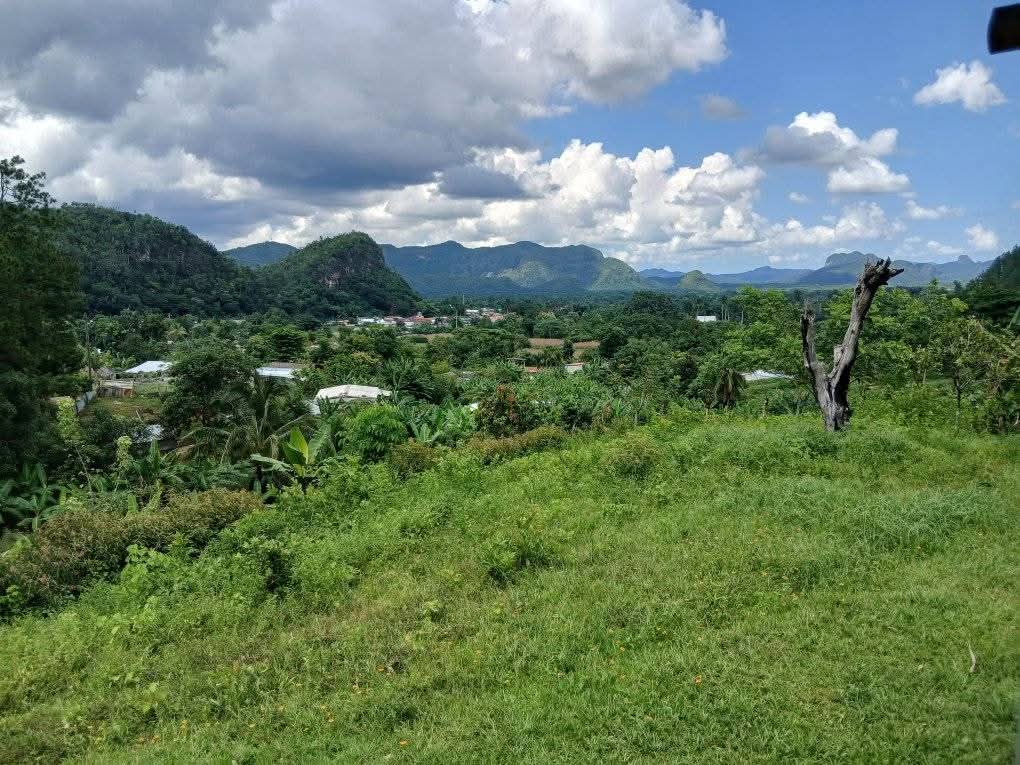
You are frequently seen on social media hiking, climbing hills. Have you incorporated this activity into your life?
I love this question because I asked the writer Claudia Alejandra Damiani something similar in 2020, when I did a profile about her. His relationship with the mountain, particularly with Pico Cristal, was very striking and inspiring to me.
What do you find in your practice?
Walking, running, climbing hills generate very pure joy and happiness. There in the Sierra Maestra are several of my fondest memories.
Is it true what Martí said about climbing hills, that it unites people?
Martí defined it perfectly: there is a very beautiful brotherhood when everyone’s destiny is based on common effort. Miguel Sandelis, founder of the Cuban Hiking Movement, has had pedagogical work to give the guerrillas that spirit of learning, brotherhood and collective care.
Any anecdotes from your cross-country runs?
There are many experiences: the Nuevo Mundo River, sleeping on the slopes of Mal Paso inclined and exposed to the elements, but I think there is something special about my first Turquino and the coldest night of my life in Pico Cuba. I will not stop thanking the person who took me up there. Not even the beautiful people I have met since, with whom I have woven bonds of friendship and tenderness: Amalia, Lizy, Arturo, Yoan…
Do you have immediate or intermediate purposes?
Weave networks and communities, collectively. Individually, become kinder, walk and be happy.